
A healthy smile is often associated with regular brushing, flossing, and routine dental visits. However, many dental problems develop silently beneath the surface long before any visible symptoms appear. Cavities can form between teeth, infections may spread inside tooth roots, and bone loss can progress without causing noticeable discomfort. This is where intraoral X-rays become one of the most valuable diagnostic tools in modern dentistry.
If you are searching for an Intraoral X-ray Clinic in Bikaner, understanding the importance of this technology can help you make informed decisions about your oral health. Advanced dental imaging allows dentists to identify hidden issues early, ensuring timely treatment and preventing more complex dental problems in the future.
What Is an Intraoral X-Ray?
An intraoral X-ray is a dental imaging procedure in which the X-ray sensor or film is placed inside the mouth to capture detailed images of teeth, roots, jawbone structures, and surrounding tissues. Unlike standard visual examinations, intraoral X-rays provide a comprehensive view of areas that cannot be seen directly.
These images help dentists diagnose a variety of dental conditions with remarkable accuracy. Because they reveal details beneath the gums and inside the teeth, intraoral X-rays are considered one of the most important tools in preventive and restorative dentistry.
Why Are Intraoral X-Rays Important?
Many dental issues begin in hidden areas where they cannot be detected through a routine examination alone. Without proper imaging, these problems may remain unnoticed until they become painful or require extensive treatment.
Intraoral X-rays help dentists identify:
- Early-stage tooth decay
- Infections at the root of teeth
- Bone loss caused by gum disease
- Impacted teeth
- Tooth fractures and cracks
- Abnormal tooth development
- Jawbone conditions
- Hidden cavities between teeth
Detecting these conditions early can save patients from discomfort, lengthy treatments, and unnecessary expenses.
The Role of Intraoral X-Rays in Preventive Dentistry
Preventive dentistry focuses on identifying and addressing dental issues before they become serious. Intraoral X-rays play a vital role in this approach by allowing dentists to monitor oral health with greater precision.
For example, a cavity hidden between two teeth may not be visible during a regular checkup. By using intraoral imaging, the dentist can detect the decay at an early stage and recommend a simple filling before the problem progresses and requires root canal treatment.
Similarly, gum disease often causes gradual bone loss that may not produce symptoms initially. Dental X-rays help identify these changes early, allowing for timely intervention and improved treatment outcomes.
Types of Intraoral X-Rays
Different types of intraoral X-rays are used depending on the patient’s needs and the area being examined.
Bitewing X-Rays
Bitewing X-rays are commonly used to detect cavities between teeth and assess bone levels around the teeth. They are frequently recommended during routine dental checkups.
Periapical X-Rays
These X-rays provide a detailed image of an entire tooth, including the root and surrounding bone. They are especially useful when investigating tooth pain, infections, or root-related issues.
Occlusal X-Rays
Occlusal X-rays capture a broader view of the upper or lower jaw and help identify developmental concerns, impacted teeth, and jaw abnormalities.
Each type of imaging serves a specific purpose and contributes to a more accurate diagnosis.
Advantages of Digital Intraoral X-Rays
Modern dental clinics have largely replaced traditional film-based imaging with digital X-ray technology. Digital intraoral X-rays offer several benefits that enhance patient care and diagnostic accuracy.
Lower Radiation Exposure
One of the biggest advantages of digital imaging is reduced radiation exposure. Modern systems require significantly less radiation compared to older techniques while still producing highly detailed images.
Immediate Results
Digital images are available within seconds, allowing dentists to review findings instantly and discuss treatment options during the same appointment.
Enhanced Image Quality
High-resolution images make it easier to identify even minor dental concerns that could otherwise go unnoticed.
Better Patient Education
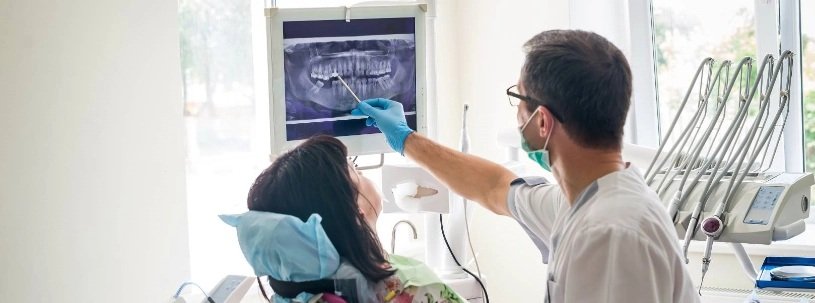
Digital X-rays can be displayed on a computer screen, enabling patients to clearly see and understand their dental condition. This improves communication and helps patients make informed treatment decisions.
Environmentally Friendly
Digital imaging eliminates the need for chemical processing and film development, making it a more sustainable option for dental practices.
When Should You Get an Intraoral X-Ray?
The need for dental X-rays varies depending on age, oral health history, and individual risk factors. Your dentist may recommend an intraoral X-ray if you experience:
- Persistent toothache
- Sensitivity to hot or cold foods
- Swollen gums
- Bleeding gums
- Jaw pain
- Suspected tooth infection
- Difficulty chewing
- Dental trauma or injury
Additionally, patients planning orthodontic treatment, dental implants, root canal therapy, or tooth extractions often require diagnostic imaging before treatment begins.
What to Expect During the Procedure
Many patients feel anxious about dental procedures, but intraoral X-rays are quick, painless, and non-invasive.
During the procedure, a small digital sensor is placed inside the mouth. The patient is asked to remain still for a few seconds while the image is captured. The process usually takes only a few minutes, and results are available immediately.
There is no recovery time required, and patients can resume their normal activities right after the appointment.
Choosing the Right Intraoral X-Ray Clinic in Bikaner
Selecting the right dental clinic is essential for receiving accurate diagnoses and high-quality care. When evaluating a clinic, consider the following factors:
Advanced Technology
Choose a clinic that uses modern digital X-ray equipment for enhanced image quality and reduced radiation exposure.
Experienced Dental Professionals
Skilled dentists can accurately interpret X-ray findings and recommend the most effective treatment options.
Patient-Centered Care
A good dental clinic prioritizes patient comfort, explains procedures clearly, and provides personalized treatment recommendations.
Comprehensive Services
Clinics that offer diagnostic imaging along with preventive, restorative, cosmetic, and orthodontic treatments provide greater convenience and continuity of care.
The Future of Dental Diagnostics
Dental imaging technology continues to evolve, making diagnosis more accurate and efficient than ever before. Advanced digital systems are helping dentists detect problems earlier, plan treatments more effectively, and improve patient outcomes.
As awareness about preventive dental care grows, more patients are recognizing the value of routine diagnostic imaging as part of maintaining lifelong oral health.
Conclusion
Intraoral X-rays have transformed modern dentistry by enabling dentists to identify hidden dental problems with exceptional accuracy. From detecting cavities and infections to supporting advanced treatment planning, these diagnostic tools are essential for maintaining healthy teeth and gums.
If you are looking for an Intraoral X-ray Clinic in Bikaner, choosing a dental center equipped with modern digital imaging technology can help ensure precise diagnosis, safer procedures, and better treatment outcomes. Regular dental checkups combined with advanced diagnostic imaging can protect your oral health and keep your smile healthy for years to come.
Investing in preventive dental care today can help you avoid complex dental problems tomorrow, making intraoral X-rays an important part of every patient’s oral health journey.
