
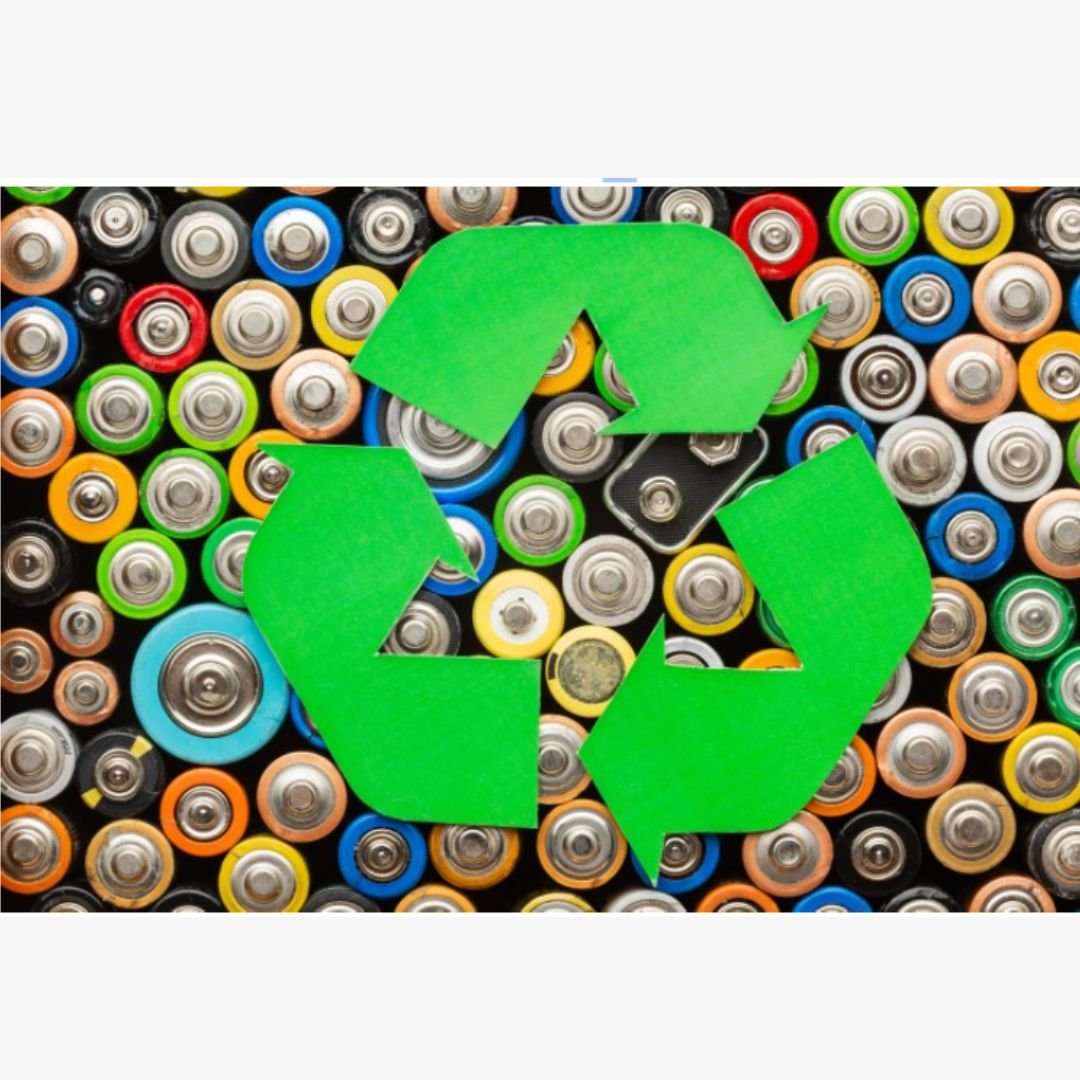
The rapid growth of technology in the UAE has brought innovation, convenience, and economic progress. However, it has also led to a significant rise in electronic waste. From outdated gadgets to industrial batteries, improper disposal can cause serious environmental and health risks. To address this challenge, the government has introduced strict UAE recycling regulations for e-waste, with a special focus on safe and responsible solutions such as lithium-ion battery recycling Dubai.
Understanding E-Waste and Its Environmental Impact
E-waste includes discarded electronic items like mobile phones, laptops, servers, household appliances, and batteries. These products often contain hazardous materials such as lead, mercury, cadmium, and lithium. If not managed properly, they can contaminate soil, groundwater, and air, posing long-term risks to ecosystems and human health.
In a fast-developing market like the UAE, where technology upgrades are frequent, e-waste generation is growing rapidly. This makes responsible recycling not just an environmental responsibility but also a legal obligation for businesses and individuals.
Overview of UAE Recycling Regulations for E-Waste
The UAE recycling regulations for e-waste are designed to ensure that electronic waste is collected, treated, and recycled through approved and licensed facilities. These regulations apply to manufacturers, importers, distributors, and end-users of electronic equipment.
Key objectives of the regulations include:
- Preventing illegal dumping and landfill disposal of electronics
- Encouraging recycling and material recovery
- Ensuring safe handling of hazardous components
- Promoting sustainability and circular economy practices
Businesses are often required to work with certified recyclers, maintain proper documentation, and follow approved disposal procedures. Non-compliance can result in penalties, fines, and reputational damage.
Why Lithium-Ion Batteries Need Special Attention
Lithium-ion batteries are widely used in smartphones, laptops, electric vehicles, power tools, and energy storage systems. While they are efficient and long-lasting, they are also highly reactive and potentially dangerous if mishandled.
Improper disposal can lead to:
- Fire and explosion risks
- Release of toxic chemicals
- Environmental pollution
- Loss of valuable recoverable materials
This is why lithium-ion battery recycling Dubai has become a critical part of the UAE’s waste management strategy.
Lithium-Ion Battery Recycling in Dubai: A Safer Approach
Dubai has taken proactive steps to establish regulated recycling systems for lithium-ion batteries. Authorized recycling facilities use advanced processes to safely dismantle, neutralize, and recover valuable metals such as lithium, cobalt, nickel, and copper.
The benefits of proper lithium-ion battery recycling include:
- Reduced fire hazards during storage and transport
- Conservation of natural resources
- Lower carbon footprint compared to raw material mining
- Compliance with local environmental laws
For businesses dealing with large volumes of batteries—such as data centers, EV operators, and manufacturing units—partnering with licensed recyclers is essential for both safety and legal compliance.
Business Responsibilities Under UAE Regulations
Organizations operating in the UAE must take active responsibility for their electronic waste. This includes:
- Segregating e-waste from general waste
- Ensuring safe storage before recycling
- Working only with approved recycling vendors
- Maintaining records of disposal and recycling certificates
Following UAE recycling regulations for e-waste not only ensures compliance but also demonstrates corporate social responsibility. Many companies now include sustainable waste management as part of their ESG (Environmental, Social, and Governance) goals.
The Role of Awareness and Sustainable Practices
Public awareness plays a vital role in improving e-waste recycling rates. Businesses and consumers alike should understand the risks of improper disposal and the benefits of responsible recycling. Simple steps such as extending product life, repairing devices, and choosing certified recyclers can make a significant difference.
Dubai’s focus on sustainability aligns with national visions that prioritize environmental protection, innovation, and long-term growth. Proper lithium-ion battery recycling Dubai supports these goals by reducing waste, conserving resources, and protecting communities.
Conclusion
As technology continues to evolve, managing electronic waste responsibly is no longer optional. The UAE recycling regulations for e-waste provide a clear framework for safe and sustainable disposal, while regulated lithium-ion battery recycling Dubai addresses one of the most hazardous waste streams. By following these guidelines, businesses and individuals can contribute to a cleaner environment, improved safety, and a more sustainable future for the UAE.
