
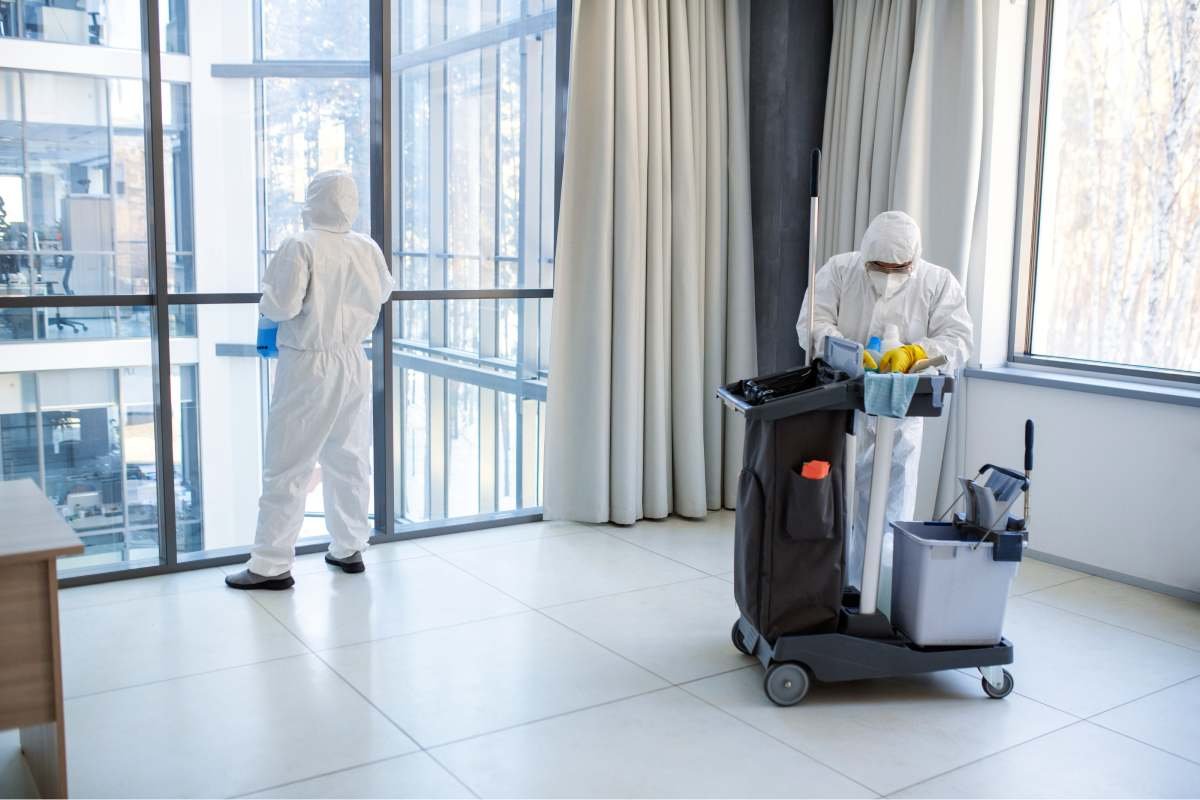
Cleanliness in healthcare facilities is not just about appearance. It directly impacts patient safety, staff health, and infection prevention. Hospitals, clinics, and medical centers require specialized cleaning methods that go far beyond regular janitorial services. This is where professional Hospital Cleaning Services play a critical role.
In this detailed guide, you will learn what hospital cleaning services include, why they are essential, how they differ from standard cleaning, and what to look for when choosing a professional hospital cleaning provider.
What Are Hospital Cleaning Services?
Hospital Cleaning Services are specialized cleaning and sanitation services designed specifically for healthcare environments. These services follow strict medical and regulatory guidelines to prevent the spread of infections, bacteria, and viruses.
Unlike standard cleaning, hospital cleaning focuses on:
- Infection control
- Cross-contamination prevention
- Use of hospital-grade disinfectants
- Compliance with healthcare regulations
- Cleaning high-risk and high-touch areas
Professional hospital cleaning teams are trained to handle sensitive environments where hygiene is critical.
Why Hospital Cleaning Services Are Essential
Hospitals serve vulnerable individuals with weakened immune systems. Even minor lapses in cleanliness can lead to serious health risks. Professional hospital cleaning services help reduce these risks.
1. Prevents Healthcare-Associated Infections
Healthcare-associated infections can spread rapidly through contaminated surfaces. Proper cleaning significantly reduces this risk.
2. Protects Patients and Staff
A clean environment minimizes exposure to harmful bacteria and viruses, protecting both patients and healthcare workers.
3. Ensures Regulatory Compliance
Hospitals must meet strict health and safety standards. Professional cleaning helps maintain compliance with healthcare regulations.
4. Improves Patient Confidence
Clean facilities reassure patients and families that safety and care are top priorities.
5. Supports Faster Recovery
A hygienic environment promotes better healing and reduces complications.
Areas Covered Under Hospital Cleaning Services
Hospital cleaning services cover a wide range of medical spaces, each requiring specific cleaning protocols.
1. Patient Rooms
Cleaning includes:
- Bed frames and mattresses
- Bedside tables
- IV stands and medical equipment
- Floors and walls
- Door handles and switches
These areas are cleaned and disinfected regularly to prevent infection spread.
2. Operating Rooms
Operating rooms require the highest level of sanitation. Services include:
- Deep disinfection of surgical surfaces
- Equipment cleaning
- Floor sterilization
- Airborne contamination control
Strict protocols are followed before and after procedures.
3. Intensive Care Units
ICUs house critically ill patients. Cleaning focuses on:
- High-touch surfaces
- Equipment sanitation
- Waste disposal
- Infection control measures
Special attention is given to sensitive medical devices.
4. Emergency Rooms
Emergency departments see high foot traffic and frequent contamination. Cleaning includes:
- Continuous disinfection
- Spill and biohazard cleanup
- Floor and surface sanitization
Quick response and regular cleaning are essential.
5. Waiting Areas and Reception
These public areas are cleaned to:
- Reduce germ transmission
- Maintain cleanliness and comfort
- Sanitize seating, counters, and restrooms
6. Laboratories and Diagnostic Areas
Labs require precise cleaning to avoid contamination of samples and equipment.
7. Restrooms and Staff Areas
Sanitary restrooms and staff rooms support overall hygiene and employee wellbeing.
Medical-Grade Cleaning Methods Used
Hospital cleaning services use advanced techniques designed for healthcare settings.
1. Hospital-Approved Disinfectants
Only approved disinfectants that kill bacteria, viruses, and pathogens are used.
2. Color-Coded Cleaning Tools
Different cleaning cloths and mops are used for different zones to prevent cross-contamination.
3. Biohazard Waste Handling
Cleaning teams are trained to safely handle:
- Medical waste
- Sharps
- Contaminated materials
4. Terminal Cleaning
After patient discharge or surgeries, deep terminal cleaning is performed to fully disinfect the space.
5. Infection Control Protocols
Cleaners follow strict procedures including:
- Hand hygiene
- Protective equipment usage
- Controlled cleaning sequences
Benefits of Hiring Professional Hospital Cleaning Services
Outsourcing hospital cleaning to trained professionals offers many advantages.
1. Specialized Training
Hospital cleaners are trained in:
- Infection control
- Biohazard safety
- Medical cleaning protocols
2. Consistent Hygiene Standards
Professional teams ensure consistent and measurable cleanliness.
3. Reduced Infection Rates
Proper cleaning reduces hospital-acquired infections and improves patient outcomes.
4. Cost Efficiency
Preventing infections lowers treatment costs and liability risks.
5. Focus on Patient Care
Healthcare staff can focus on treatment while cleaning experts handle sanitation.
Difference Between Hospital Cleaning and Regular Cleaning
| Feature | Hospital Cleaning | Regular Cleaning |
| Disinfectants | Medical-grade | Household-grade |
| Training | Specialized healthcare training | General cleaning |
| Infection Control | Strict protocols | Limited |
| Biohazard Handling | Included | Not included |
| Regulatory Compliance | Required | Not required |
Hospital environments demand precision and expertise that standard cleaning cannot provide.
How Often Should Hospitals Be Cleaned?
Cleaning frequency depends on the area:
- Patient rooms: Daily and after discharge
- Operating rooms: Before and after each procedure
- ICUs: Multiple times daily
- Emergency rooms: Continuous cleaning
- Public areas: Several times per day
A professional hospital cleaning service creates a customized cleaning schedule.
How to Choose the Right Hospital Cleaning Service
Selecting the right provider is crucial. Consider these factors:
1. Healthcare Cleaning Experience
Choose a company with proven experience in hospitals or medical facilities.
2. Certified Staff
Ensure cleaners are trained in infection control and safety protocols.
3. Compliance Knowledge
The company should understand healthcare regulations and standards.
4. Emergency Response Capability
Hospitals need rapid-response cleaning for spills and contamination.
5. Transparent Pricing
Clear contracts and pricing help avoid unexpected costs.
Who Needs Hospital Cleaning Services?
Hospital cleaning services are suitable for:
- Hospitals
- Clinics
- Diagnostic centers
- Nursing homes
- Surgical centers
- Medical offices
- Rehabilitation facilities
Any healthcare environment benefits from professional medical cleaning.
The Role of Hospital Cleaning in Public Health
Clean hospitals protect not only patients but the wider community. By reducing infection spread, professional cleaning supports public health initiatives and prevents outbreaks.
Hospital cleaning services are an essential part of healthcare infrastructure, contributing to safer medical environments and better health outcomes.
Conclusion
Hospital Cleaning Services are a critical component of modern healthcare facilities. They ensure a clean, safe, and infection-free environment for patients, staff, and visitors. With specialized training, medical-grade disinfectants, and strict protocols, professional hospital cleaning goes far beyond standard cleaning practices.
Investing in professional hospital cleaning services helps healthcare facilities maintain compliance, reduce infection risks, and provide the highest level of care. Whether it is daily sanitation, terminal cleaning, or emergency response, expert hospital cleaning services play a vital role in protecting lives and maintaining trust in healthcare institutions.
