
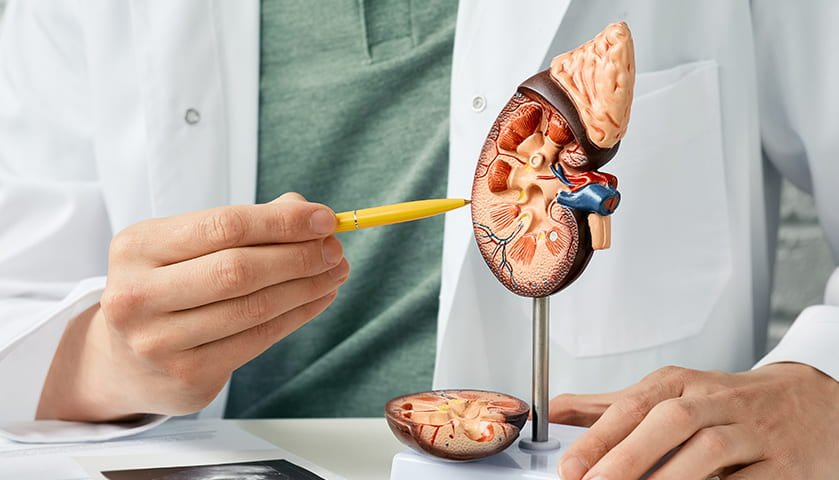
Kidney stones are not just painful—they can disrupt daily life and, in severe cases, lead to serious complications if left untreated. Fortunately, advancements in urology have made it possible to treat kidney stones efficiently and with minimal discomfort. In Dubai, patients now have access to state-of-the-art, minimally invasive treatment options that reduce recovery time and improve outcomes.
Understanding these modern treatments can help patients make informed decisions and seek timely care from expert urologists.
Why Minimally Invasive Treatments Are Preferred
Traditional surgical removal of kidney stones often involved large incisions, longer hospital stays, and extended recovery periods. Minimally invasive treatments, however, use smaller instruments, sometimes even passing through natural urinary pathways, which significantly reduces pain, scarring, and downtime.
The key benefits include:
- Shorter Recovery Times: Patients often resume daily activities within days.
- Reduced Pain and Discomfort: Smaller incisions or non-invasive techniques mean less trauma to surrounding tissue.
- High Success Rates: Modern methods efficiently remove stones of various sizes and types.
- Lower Risk of Complications: Reduced risk of infection, bleeding, or kidney damage.
Dubai’s medical facilities are equipped with cutting-edge technology and highly trained urologists, making these treatments accessible and safe.
Common Minimally Invasive Treatments for Kidney Stones
1. Extracorporeal Shock Wave Lithotripsy (ESWL)
ESWL is a non-invasive procedure that uses high-energy shock waves to break kidney stones into tiny fragments. These fragments can then pass naturally through the urinary tract.
- Procedure Highlights: Performed under mild sedation, no incisions required.
- Ideal For: Stones smaller than 2 cm, primarily located in the kidney or upper ureter.
- Advantages: Quick, outpatient procedure; minimal recovery time.
2. Ureteroscopy and Laser Lithotripsy
Ureteroscopy involves passing a thin scope through the urethra and bladder to reach the stone in the ureter or kidney. Once located, a laser is used to break the stone into smaller pieces for removal.
- Procedure Highlights: No external incisions; performed under anesthesia.
- Ideal For: Stones lodged in the ureter or mid-sized kidney stones.
- Advantages: Direct visualization allows precise removal; can treat multiple stones in a single session.
3. Percutaneous Nephrolithotomy (PCNL)
PCNL is recommended for larger or more complex kidney stones that cannot be treated with ESWL or ureteroscopy. A small incision is made in the back to access the kidney, and specialized instruments remove the stone.
- Procedure Highlights: Small incision (~1 cm), guided by imaging technology.
- Ideal For: Large stones or staghorn calculi.
- Advantages: Highly effective for large stones; minimally invasive compared to open surgery.
4. Medical Expulsive Therapy
For small stones, certain medications can help relax the muscles of the urinary tract, facilitating the stone’s natural passage. This is often combined with increased fluid intake and pain management.
- Procedure Highlights: Non-surgical, medication-based approach.
- Ideal For: Small stones likely to pass naturally (<5 mm).
- Advantages: Non-invasive, avoids surgical procedures, and can be done at home under supervision.
Choosing the Right Treatment
The selection of a treatment depends on several factors:
- Stone Size and Location: Larger stones or those lodged in tricky locations may require more invasive approaches.
- Stone Composition: Certain types of stones respond better to specific treatments.
- Patient Health: Existing medical conditions, age, and overall kidney function influence treatment decisions.
- Availability of Technology: Dubai hospitals are equipped with the latest minimally invasive technologies, allowing personalized treatment plans.
Consulting an experienced urologist is essential to determine the most appropriate option based on your condition. You can explore effective kidney stone treatment options here: https://drimtiaz.com/urologist/kidney-stone/
Recovery and Post-Treatment Care
Even with minimally invasive procedures, proper post-treatment care ensures faster recovery and reduces the risk of recurrence:
- Hydration: Drinking sufficient water helps flush out stone fragments and prevent new stones.
- Dietary Adjustments: Limiting salt, animal protein, and oxalate-rich foods can reduce stone formation.
- Regular Monitoring: Follow-up imaging helps detect any remaining fragments or recurrence.
- Medication Compliance: For certain types of stones, prescribed medications can prevent new stones.
Patients are encouraged to maintain a healthy lifestyle, stay hydrated, and adhere to their urologist’s recommendations for optimal outcomes.
The Future of Kidney Stone Treatment
Dubai’s healthcare landscape continues to evolve, offering even more advanced techniques such as robotic-assisted procedures and improved laser technologies. These innovations aim to make treatment faster, safer, and even more precise.
Minimally invasive treatments have already transformed kidney stone management, reducing the need for traditional surgery and making the experience less stressful for patients. Early diagnosis and timely intervention remain the key to successful treatment.
Conclusion
Modern kidney stone treatments in Dubai provide safe, effective, and minimally invasive options that significantly reduce discomfort and recovery time. From non-invasive shock wave therapy to precision laser procedures, patients have multiple pathways to eliminate stones without the trauma of traditional surgery.
If you are experiencing kidney stone symptoms or want expert guidance on the best treatment for your condition, consulting a specialist is crucial. Learn more about trusted kidney stone treatments and minimally invasive options here: https://drimtiaz.com/urologist/kidney-stone/
