
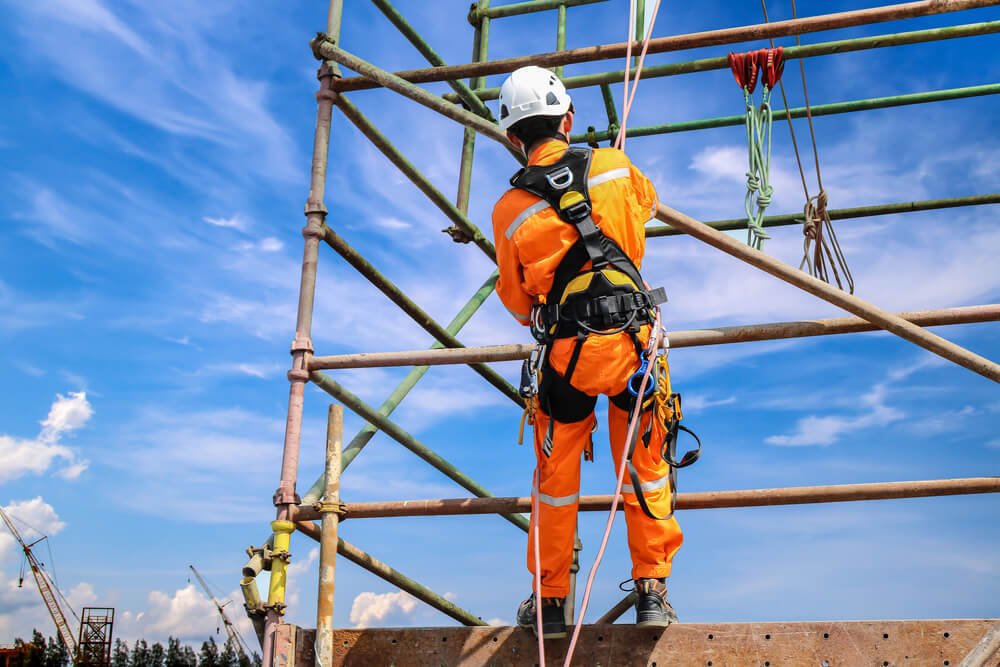
In high-risk industries such as construction, maintenance, telecommunications, and energy, operating at elevated levels is a routine requirement. However, working above ground level introduces a range of hazards that demand specialized knowledge and preparation. This is where working at heights training becomes a critical component of occupational safety programs.
Organizations like Trainability emphasize the importance of equipping employees with the right technical skills and safety awareness to prevent accidents and ensure regulatory compliance.
Understanding the Risks of Working at Height
Tasks performed on scaffolding, ladders, rooftops, or elevated platforms expose workers to fall hazards, which remain one of the leading causes of workplace injuries and fatalities. Without proper training, even experienced workers may underestimate risks such as unstable surfaces, improper use of fall protection systems, or adverse weather conditions.
A structured safety training program focuses on hazard identification, risk assessment, and implementation of preventive measures. This ensures that workers not only understand the dangers but also develop the competence to mitigate them effectively.
Key Components of Effective Training Programs
A comprehensive height safety course goes beyond theoretical knowledge. It integrates both classroom instruction and practical application. Core modules typically include:
- Use and inspection of personal protective equipment (PPE)
- Fall arrest systems and anchor point selection
- Safe ladder and scaffold practices
- Emergency procedures and rescue planning
Hands-on sessions play a crucial role in reinforcing these concepts, allowing participants to apply safety techniques in controlled environments.
Regulatory Compliance and Industry Standards
Governments and regulatory bodies mandate safety certifications for employees engaged in high-risk tasks. Compliance with these regulations not only protects workers but also shields organizations from legal liabilities and financial penalties.
Employers must ensure that their workforce undergoes certified height safety training that aligns with national and international safety standards. Regular refresher courses are equally important to keep workers updated on evolving safety protocols and technologies.
Benefits Beyond Compliance
Investing in professional training delivers long-term advantages. It fosters a culture of safety, improves worker confidence, and enhances overall productivity. Employees who are well-trained are more likely to follow best practices, reducing downtime caused by accidents or operational disruptions.
Additionally, organizations benefit from improved reputation and trust among clients and stakeholders when they demonstrate a commitment to safety excellence.
Choosing the Right Training Provider
Selecting a reliable training provider is crucial to achieving desired outcomes. Look for providers that offer:
- Accredited certification programs
- Experienced instructors with industry expertise
- Practical, scenario-based training approaches
- Customizable modules tailored to specific job roles
A provider like Trainability ensures that training is not only compliant but also relevant to real-world workplace challenges.
FAQs
1. Who needs working at heights training?
Any individual required to perform tasks at elevated levels, including construction workers, technicians, maintenance staff, and engineers, should undergo this training.
2. How often should training be renewed?
Refresher training is typically recommended every 1–2 years, depending on regulatory requirements and the nature of the job.
3. What equipment is covered in the training?
Training usually includes harnesses, lanyards, anchor systems, ladders, scaffolding, and other fall protection equipment.
4. Is practical training necessary?
Yes, practical sessions are essential for developing hands-on skills and ensuring workers can safely apply theoretical knowledge in real situations.
5. Can training be customized for specific industries?
Absolutely. Many providers tailor programs to meet the unique risks and operational needs of different industries.
By prioritizing working at heights training, organizations not only meet compliance requirements but also create a safer, more efficient work environment where employees can perform their duties with confidence and competence.
