
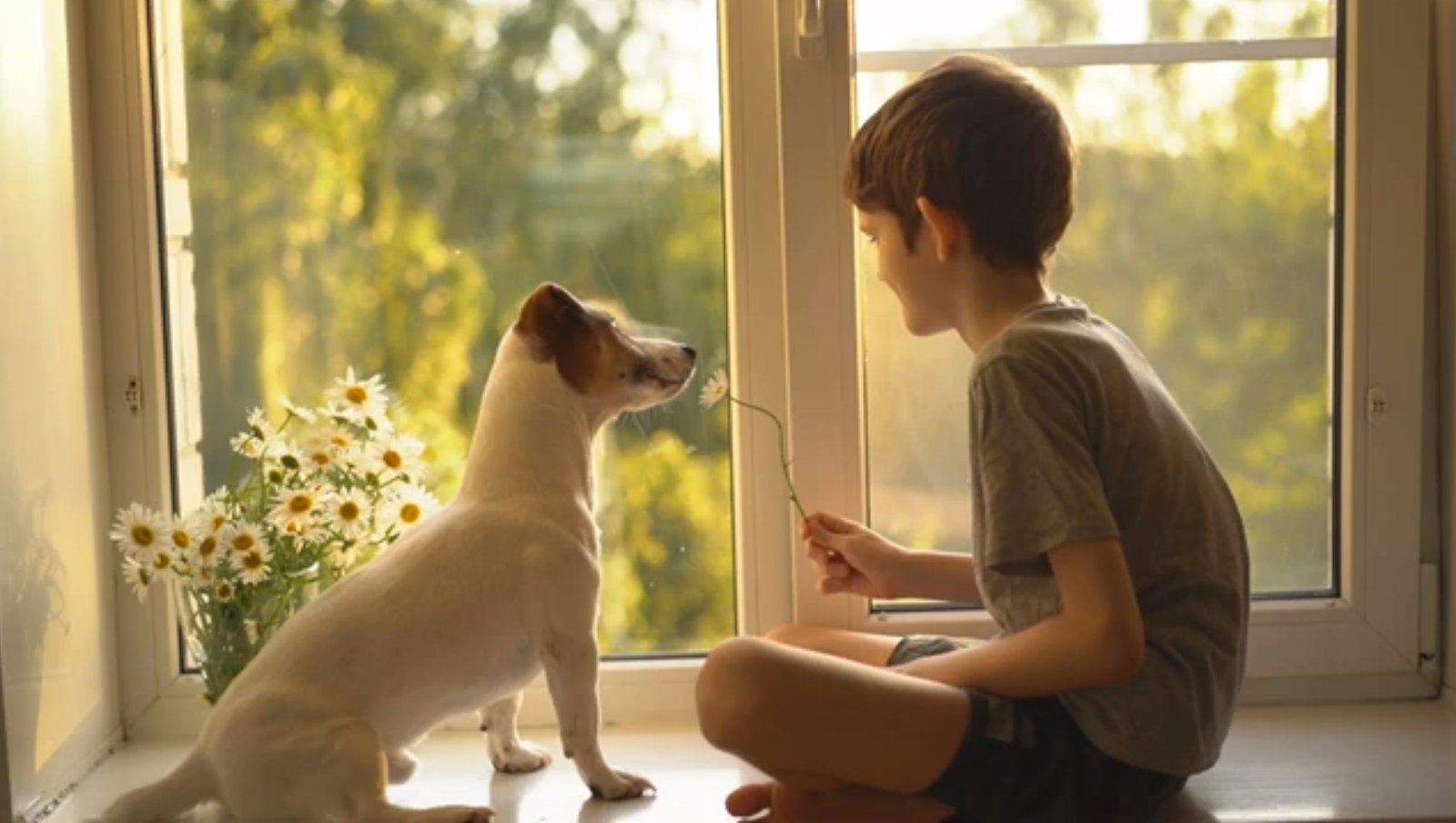
The loss of a pet creates emotional disruption that affects daily stability, comfort, and routine. Pets often become deeply integrated into family life, offering companionship and unconditional affection. Their absence can trigger sadness, confusion, and emotional emptiness. Acknowledging the depth of this grief helps normalize the experience rather than suppress it. Many individuals find guidance through Grief counseling for pet loss, which provides emotional clarity and structured coping strategies. Recognizing grief as a valid response allows individuals to begin processing emotions in a healthier direction.
Accepting Grief as a Natural Response
Accepting grief helps establish the foundation for emotional recovery after losing a pet. Emotional reactions may appear in waves, including sadness, anger, or guilt. These responses reflect the strength of the bond shared with the pet. Avoiding or suppressing emotions often prolongs distress. Allowing feelings to surface supports gradual healing and emotional awareness. Each person experiences grief differently, and there is no fixed timeline. Acceptance does not remove pain immediately but encourages emotional stability and healthier long-term coping.
Building Emotional Support Systems
Support systems play a key role in recovering from pet loss. Talking with friends, family members, or support groups helps reduce feelings of isolation. Shared conversations about memories and emotions provide comfort during difficult moments. Professional counselors specializing in pet bereavement offer structured emotional guidance and coping tools. Online communities also create safe environments for sharing experiences. Consistent emotional support encourages openness, reduces internal stress, and helps individuals process grief more effectively while feeling understood and supported.
Honoring the Memory of a Pet
Creating meaningful ways to honor a pet supports emotional healing and remembrance. Activities such as planting a tree, designing a photo album, or keeping a memory corner at home help preserve the bond. These actions shift focus toward appreciation of shared moments rather than only loss. Writing stories or reflecting on joyful experiences strengthens emotional connection in a positive way. Memory rituals provide comfort and create a lasting tribute that helps transform grief into meaningful remembrance and emotional acceptance.
Managing Guilt and Emotional Regret
Guilt often appears after pet loss, especially regarding medical care or end-of-life decisions. These thoughts may create emotional distress and self-doubt. Reframing guilt into understanding helps reduce emotional burden. Decisions were typically made with care, love, and concern for the pet’s well-being. Reflecting on positive experiences and the care provided helps balance negative thoughts. Gratitude for the time shared supports emotional healing. Replacing guilt with appreciation encourages inner peace and allows emotional recovery to progress more smoothly over time.
Rebuilding Daily Structure and Routine
Daily routines often change significantly after losing a pet, especially when the pet was part of everyday habits. Rebuilding structure helps restore emotional balance and stability. Simple actions such as maintaining consistent sleep schedules, engaging in hobbies, or spending time outdoors provide grounding. New routines gradually fill emotional gaps without replacing the pet. Consistency helps reduce feelings of emptiness and creates a sense of normalcy. Over time, structured daily activities support emotional resilience and encourage steady recovery from grief.
Helping Children Cope With Pet Loss
Children may experience confusion and emotional distress after losing a pet. Clear and honest communication helps them understand the situation in a healthy way. Encouraging children to express feelings through drawing, storytelling, or writing supports emotional processing. Maintaining daily routines provides stability during this adjustment period. Listening patiently to questions helps build trust and reassurance. Emotional guidance during this stage allows children to develop healthy coping skills while preserving positive memories of the pet in a supportive environment.
Considering Another Pet in the Future
Deciding to welcome another pet requires emotional readiness and thoughtful reflection. Grief should be processed fully before making new commitments. A new pet brings different personality traits and cannot replace the one that was lost. Emotional readiness varies from person to person, and there is no set timeline for this decision. Some individuals feel comfort in adopting again, while others need more time. Choosing a new pet should come from stability and readiness rather than emotional urgency.
Self-Care Practices During Grief
Self-care plays an important role in managing emotional distress after pet loss. Simple practices such as maintaining proper nutrition, staying physically active, and ensuring adequate rest help support emotional balance. Journaling feelings or practicing relaxation techniques may reduce emotional pressure. Spending time in peaceful environments can also provide comfort. Avoiding isolation for long periods helps maintain emotional connection with others. Consistent self-care supports both mental and physical well-being during the grieving process and contributes to gradual emotional recovery.
Conclusion:
Recovery from pet loss requires patience, emotional awareness, and steady support. The grief may feel intense, but it gradually becomes more manageable through healthy coping strategies and supportive relationships. Honoring memories, rebuilding routines, and allowing emotions to surface all contribute to healing. Each step forward reflects respect for the bond shared with the pet. Emotional recovery does not mean forgetting; it means learning to carry memories with acceptance while continuing daily life with strength and balance.
