
Introduction:
Global fish oil prices in Q1 2026 showed a mixed trend across regions. Supply constraints due to reduced fish catch and seasonal limitations supported prices, while uneven demand from nutraceutical and aquaculture sectors led to regional variations. Currency fluctuations and freight costs also contributed to shaping overall pricing dynamics. Overall, the fish oil price chart reflects moderate volatility, highlighting the impact of supply constraints and shifting demand patterns across global markets.
Fish Oil Price Index Analysis in North America: Q1 2026 Overview
Fish Oil Prices in Canada:
In Canada, fish oil prices reached USD 4809/MT during Q1 2026. The pricing trend remained firm due to limited raw fish availability and steady demand from the supplement industry. The fish oil price chart reflected stable upward support, influenced by supply tightness and export demand.
Fish Oil Price Index Analysis in Europe: Q1 2026 Overview
Fish Oil Prices in United Kingdom:
In the United Kingdom, prices stood at USD 4009/MT in Q1 2026. The fish oil price trend remained moderate, supported by consistent demand from pharmaceutical applications. However, stable imports and improved logistics helped control sharp increases, maintaining a balanced pricing environment.
Fish Oil Prices in France:
France recorded fish oil prices at USD 3937/MT during Q1 2026. The fish oil price index showed relative stability, as steady demand from the food and healthcare sectors balanced supply conditions. Seasonal supply fluctuations were present but did not significantly disrupt overall pricing.
Fish Oil Prices in Belgium:
Belgium observed fish oil prices at USD 3243/MT during Q1 2026. The price trend showed moderate movement due to balanced supply-demand dynamics. Demand from animal feed and dietary supplement sectors supported pricing, while stable imports helped avoid volatility.
Regional Analysis: The price analysis can be expanded to include detailed Fish Oil price data for a wide range of European countries, such as:
Germany, France, the United Kingdom, Italy, Spain, Russia, Turkey, the Netherlands, Poland, Sweden, Belgium, Austria, Ireland, Switzerland, Norway, Denmark, Romania, Finland, the Czech Republic, Portugal, and Greece, along with other European nations
Fish Oil Price Index Analysis in APAC: Q1 2026 Overview
Fish Oil Prices in Japan:
In Japan, fish oil prices were lower at USD 2377/MT in Q1 2026. The pricing analysis indicated weaker demand from industrial applications and sufficient domestic supply. The fish oil price forecast remained stable, supported by controlled imports and efficient processing capabilities.
Regional Analysis: The price analysis can be extended to provide detailed Fish Oil price information for the following list of countries.
China, India, Indonesia, Pakistan, Bangladesh, Japan, Philippines, Vietnam, Thailand, South Korea, Malaysia, Nepal, Taiwan, Sri Lanka, Hongkong, Singapore, Australia, and New Zealand, among other Asian countries.
Get the Real-Time Prices Analysis: https://www.imarcgroup.com/fish-oil-pricing-report/requestsample
Note: The analysis can be tailored to align with the customer’s specific needs.
We Also Provide News and Historical Data of Fish Oil:
- Historical Fish Oil price data across major global regions
- Quarterly and annual price trend analysis with regional insights
- Supply-demand evaluation across mining and metal processing industries
- Comparative price analysis across producing and importing countries
- Customizable pricing intelligence reports for procurement strategies
What is Fish Oil?
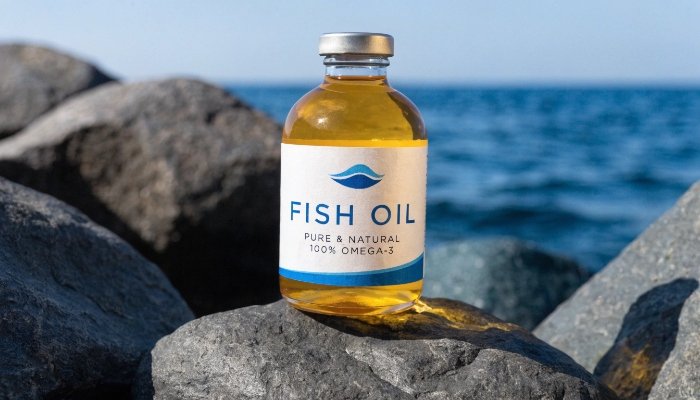
Fish oil is a nutrient-rich oil extracted from fatty fish such as anchovies, sardines, and mackerel. It is widely known for its high content of omega-3 fatty acids, which support heart health, brain function, and overall wellness, making it popular in supplements and functional foods.
Factors Affecting Fish Oil Prices Q1 2026:
- Raw Material Availability: Fish oil production depends heavily on the availability of raw fish. Seasonal fishing patterns, environmental conditions, and quotas directly influence supply. Lower catches reduce production volumes, leading to upward cost movement and tighter supply conditions across key producing regions.
- Demand from Nutraceutical Industry: Growing awareness of omega-3 health benefits drives demand in supplements and pharmaceuticals. Increased consumption in these sectors strengthens pricing. Conversely, fluctuations in consumer demand or regulatory changes can impact overall price stability and purchasing patterns.
- Aquaculture Industry Consumption: Fish oil is widely used in aquafeed production. Rising aquaculture activities increase demand, supporting prices. However, substitution with plant-based alternatives or shifts in feed formulations can influence demand levels and affect the overall pricing trend.
- Production and Processing Costs: Energy, labor, and processing expenses significantly affect fish oil costs. Higher operational costs lead to increased product prices. Improvements in processing efficiency or reduced energy costs can help stabilize prices and maintain competitive supply levels.
- Trade and Logistics Factors: Global trade policies, shipping costs, and currency fluctuations influence pricing. Disruptions in logistics or increased freight rates can raise costs. Efficient supply chains and stable trade conditions help maintain balanced price movements across regions.
Speak an Analyst: https://www.imarcgroup.com/request?type=report&id=24391&flag=C
Supply and Prices Overview – Q1 2026
Fish oil supply in Q1 2026 remained moderately tight due to seasonal fishing constraints. Prices varied across regions depending on local demand and import dependency. While some markets experienced firm pricing, others saw stability due to adequate inventories and balanced consumption patterns.
Fish Oil Price Index
The fish oil price index during Q1 2026 reflected moderate regional variation. Higher values in North America and Europe were supported by limited supply and strong demand, while Asian markets showed relatively lower levels due to sufficient production and controlled consumption patterns.
Recent News – Q1 2026
Recent developments in the fish oil industry highlighted stricter fishing regulations and sustainability initiatives. Several producers focused on improving traceability and eco-friendly sourcing. These changes influenced supply chains and pricing, as companies adapted to regulatory requirements and shifting consumer preferences.
Fish Oil Price Trend – Q1 2026
The overall pricing trend in Q1 2026 remained mixed. Regions with limited supply experienced upward pressure, while areas with stable production saw balanced pricing. Demand from health supplements and aquaculture continued to influence movement, shaping a steady but regionally diverse pricing pattern.
Future Outlook for Fish Oil
The future outlook for fish oil prices remains cautiously optimistic. Demand from health-conscious consumers is expected to grow steadily. However, supply constraints due to environmental factors and fishing regulations may continue to influence pricing, leading to moderate fluctuations in the coming periods.
Current Demand for Fish Oil
Current demand for fish oil remains strong across nutraceutical, pharmaceutical, and aquaculture sectors. Increasing awareness of health benefits continues to support consumption. At the same time, steady demand from feed applications ensures consistent usage, maintaining a balanced demand outlook globally.
Uses of Fish Oil:
- Dietary Supplements: Widely used in capsules and liquid supplements for omega-3 intake and overall health benefits.
- Pharmaceutical Applications: Used in medicines targeting heart health, inflammation, and cognitive function support.
- Aquaculture Feed: An essential ingredient in fish feed, improving growth and nutritional value.
- Functional Foods: Added to fortified foods and beverages to enhance nutritional content.
- Cosmetics and Personal Care: Used in skincare products for its moisturizing and anti-inflammatory properties.
Key Coverage:
- Market Analysis
- Market Breakup by Region
- Demand Supply Analysis by Type
- Demand Supply Analysis by Application
- Price Analysis
- Price Trends by Region
- Factors influencing the Price Trends
- Competitive Landscape
- Recent Developments
FAQs Based on Fish Oil Price Trend, Index, and Forecast:
Q. What drives fish oil price fluctuations?
A. Fish oil prices are influenced by raw fish availability, seasonal fishing patterns, and demand from nutraceutical and aquaculture industries. Logistics, processing costs, and regulatory changes also contribute to price variations across regions, impacting overall cost movement.
Q. Why are prices higher in some regions?
A. Higher prices in certain regions are often due to limited local production, strong demand, and reliance on imports. Additional factors like logistics costs, currency exchange rates, and stricter regulations can also contribute to elevated pricing levels.
Q. How does aquaculture impact pricing?
A. Aquaculture significantly affects fish oil demand since it is a key feed ingredient. Increased fish farming activity raises demand, supporting prices. However, the use of alternative feed ingredients can reduce dependence and influence overall price trends.
Q. Is the fish oil supply stable globally?
A. Fish oil supply is not always stable due to seasonal fishing cycles and environmental conditions. Variations in fish catch volumes can impact availability, leading to fluctuations in supply levels and influencing pricing patterns across different regions.
Q. What is the outlook for fish oil prices?
A. Fish oil prices are expected to remain moderately firm due to steady demand and supply limitations. Growing health awareness will continue to support consumption, while environmental and regulatory factors may create periodic fluctuations in pricing trends.
How IMARC Pricing Database Can Help
The latest IMARC Group study, Fish Oil Prices, Trend, Chart, Demand, Market Analysis, News, Historical and Forecast Data 2026 Edition, presents a detailed analysis of Fish Oil price trend, offering key insights into global Fish Oil market dynamics. This report includes comprehensive price charts, which trace historical data and highlights major shifts in the market.
The analysis delves into the factors driving these trends, including raw material costs, production fluctuations, and geopolitical influences. Moreover, the report examines Fish Oil demand, illustrating how consumer behaviour and industrial needs affect overall market dynamics. By exploring the intricate relationship between supply and demand, the prices report uncovers critical factors influencing current and future prices.
About Us:
IMARC Group is a global management consulting firm that provides a comprehensive suite of services to support market entry and expansion efforts. The company offers detailed market assessments, feasibility studies, regulatory approvals and licensing support, and pricing analysis, including spot pricing and regional price trends. Its expertise spans demand-supply analysis alongside regional insights covering Asia-Pacific, Europe, North America, Latin America, and the Middle East and Africa. IMARC also specializes in competitive landscape evaluations, profiling key market players, and conducting research into market drivers, restraints, and opportunities. IMARC’s data-driven approach helps businesses navigate complex markets with precision and confidence.
Contact Us:
IMARC Group
134 N 4th St. Brooklyn, NY 11249, USA
Email: sales[@]imarcgroup.com
Tel No:(D) +91 120 433 0800
United States: +1-201971-6302
