
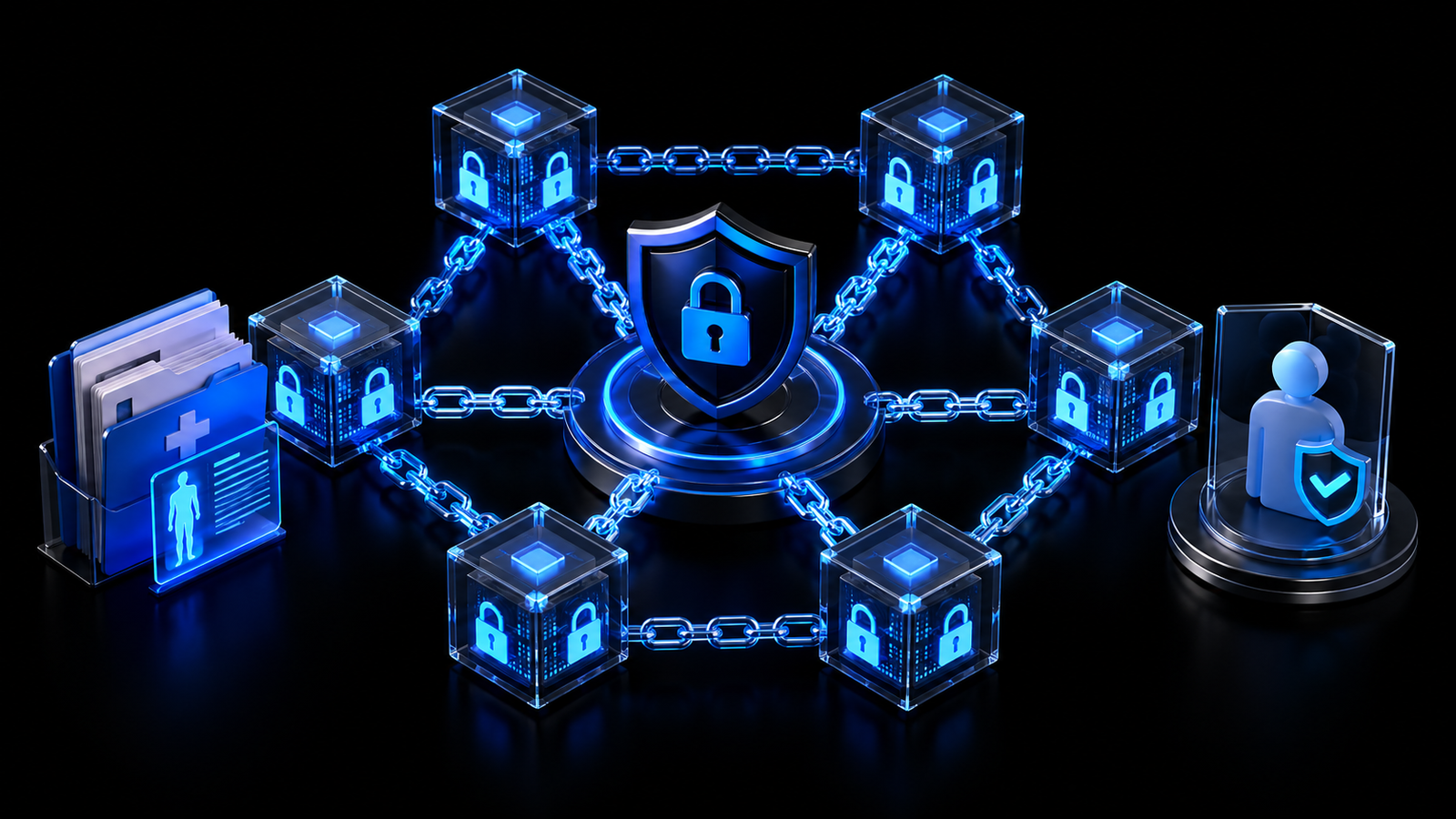
Healthcare has become increasingly digital over the last decade. From electronic health records to telemedicine apps, patient data is now stored, shared, and accessed in ways that were unimaginable not too long ago. While this shift has improved efficiency and accessibility, it has also raised serious concerns about privacy and data breaches.
Medical records are among the most sensitive types of personal information. They include not only basic identity details but also medical histories, diagnoses, prescriptions, and even genetic data. When this information is exposed or misused, the consequences can be deeply personal and long-lasting. This is where blockchain enters the conversation.
Blockchain is often associated with cryptocurrencies, but its underlying principles make it highly relevant for protecting medical data. In this article, we will look at how blockchain can help protect patient privacy, the challenges involved, and why it is gaining attention in the healthcare world.
The Problem with Traditional Medical Data Systems
Most healthcare institutions rely on centralized databases. This means that patient records are stored in a single system or a set of connected systems managed by hospitals, clinics, or third-party providers.
While this setup is convenient, it comes with several risks:
- Single point of failure: If the central database is hacked, millions of records can be exposed at once.
- Limited patient control: Patients often have little say in who accesses their data or how it is used.
- Data silos: Different healthcare providers may not share data effectively, leading to incomplete records or repeated tests.
- Insider threats: Not all breaches come from outside attackers. Sometimes, unauthorized access happens within the organization.
These issues have led to growing concerns about how medical data is handled and whether current systems are truly safe.
What Makes Blockchain Different
Blockchain works as a distributed ledger. Instead of storing data in one central location, it spreads information across a network of computers. Each entry is recorded in a block and linked to the previous one, forming a chain.
Here are a few features that make blockchain useful for medical data security:
- Decentralization: No single authority controls the entire dataset.
- Immutability: Once data is recorded, it cannot be easily changed or deleted.
- Transparency with control: Transactions are visible on the network, but access can still be restricted through encryption.
- Security through cryptography: Data is protected using advanced encryption methods.
These characteristics create a system where tampering with records becomes extremely difficult.
How Blockchain Protects Patient Privacy
Blockchain does not simply store medical data in its raw form. Instead, it uses a combination of encryption, access controls, and decentralized storage to keep information safe.
1. Data Encryption
Patient data can be encrypted before being added to the blockchain. This means that even if someone gains access to the data, they cannot read it without the proper decryption key.
Only authorized individuals, such as doctors or the patients themselves, can unlock the information.
2. Patient-Controlled Access
One of the most interesting aspects of blockchain in healthcare is that it allows patients to have more control over their own data.
Patients can grant or revoke access to their records using private keys. For example, if a patient visits a new specialist, they can allow temporary access to their medical history without permanently sharing it.
3. Audit Trails
Every time data is accessed or modified, the action is recorded on the blockchain. This creates a clear and permanent audit trail.
If there is ever a question about who accessed a record, the information is readily available. This discourages unauthorized access and improves accountability.
4. Reduced Data Breach Risks
Because blockchain is decentralized, there is no single database that hackers can target. Even if one part of the network is compromised, the rest remains intact.
This reduces the chances of large-scale data breaches, which are common in traditional systems.
Real-World Applications in Healthcare
Blockchain is already being tested and implemented in various healthcare scenarios.
- Electronic Health Records (EHRs): Blockchain can help create unified patient records that can be accessed securely across different providers.
- Medical Research: Researchers can access anonymized patient data without compromising privacy.
- Drug Supply Chains: Blockchain can track medications from manufacturer to patient, reducing the risk of counterfeit drugs.
- Insurance Claims: Automated systems can verify claims more accurately, reducing fraud.
These applications show that blockchain is not just a theoretical concept but something that is gradually being integrated into real systems.
Challenges and Limitations
While blockchain has many advantages, it is not without its challenges.
1. Scalability Issues
Healthcare systems generate massive amounts of data. Blockchain networks can struggle to handle large volumes of transactions quickly.
This can lead to delays, especially in situations where real-time access is critical.
2. Regulatory Concerns
Healthcare is a heavily regulated field. Laws related to data privacy, such as HIPAA and GDPR, must be followed carefully.
Blockchain’s immutability can sometimes conflict with these regulations. For example, if a patient requests that their data be deleted, it may not be easy to remove it from a blockchain.
3. Integration with Existing Systems
Hospitals and clinics already use established systems for managing patient data. Introducing blockchain requires significant changes to infrastructure and workflows.
This can be costly and time-consuming.
4. User Understanding
Not all healthcare professionals are familiar with blockchain technology. Training and education are necessary to ensure proper use.
Patients may also find it difficult to manage private keys or understand how access permissions work.
The Role of Crypto Marketing in Healthcare Blockchain
For blockchain solutions in healthcare to gain acceptance, awareness plays a major role. This is where crypto marketing becomes relevant.
Crypto marketing focuses on promoting blockchain-based products and services. In the healthcare space, it can help bridge the gap between technical innovation and public understanding.
Building Trust
Healthcare is built on trust. Patients need to feel confident that their data is safe. Marketing efforts should focus on explaining how blockchain protects privacy in simple, relatable terms.
Instead of using complex jargon, campaigns can highlight real-life scenarios, such as how a patient controls who sees their records.
Educating Stakeholders
Doctors, hospital administrators, and policymakers all need to understand how blockchain works. Educational content, webinars, and case studies can help explain its benefits and limitations.
Clear communication is key to adoption.
Addressing Misconceptions
Blockchain is often linked to cryptocurrencies, which can sometimes carry a negative perception due to market volatility or scams.
Crypto marketing in healthcare should separate the technology from these concerns and focus on its practical uses in data security.
Community Engagement
Building a community around healthcare blockchain projects can create a sense of involvement. Patients and professionals can share feedback, ask questions, and learn from each other.
This kind of engagement can make new technologies feel more approachable.
The Future of Blockchain in Medical Data Security
Blockchain is still evolving, and its role in healthcare is likely to grow over time. As technology improves, some of the current limitations may be addressed.
We may see hybrid systems that combine blockchain with traditional databases, offering both security and efficiency. Advances in encryption and data storage could also make blockchain more practical for large-scale use.
Governments and regulatory bodies are also beginning to take a closer look at blockchain. Clear guidelines and standards could help speed up adoption.
Conclusion
Protecting patient privacy is one of the most important challenges in modern healthcare. As medical data becomes more digital, the risks associated with it continue to grow.
Blockchain offers a different approach to handling this data. By decentralizing storage, encrypting information, and giving patients more control, it addresses many of the weaknesses found in traditional systems.
At the same time, it is not a perfect solution. There are technical, regulatory, and educational hurdles that need to be addressed before it can be widely adopted.
What makes blockchain worth paying attention to is not just its technology, but its potential to change how we think about data ownership and privacy. Instead of relying entirely on institutions, patients can have a more active role in managing their own information.
As awareness grows and more real-world applications emerge, blockchain could become an important part of how healthcare systems protect sensitive data in the years ahead.
