

Cryotherapy has become one of the most talked-about wellness and recovery trends in recent years. From professional athletes to fitness enthusiasts and wellness clinics, people are turning to extreme cold therapy for faster recovery, reduced pain, and improved overall health.
But what exactly is cryotherapy, and how does it actually work inside the body? In this guide, we’ll break down everything you need to know in simple, expert-backed language—so you can decide whether it’s right for you.
1. What Is Cryotherapy?
Cryotherapy is a treatment that exposes the body to extremely cold temperatures for a short period of time. The word “cryo” means cold, and “therapy” means treatment—so it literally means “cold treatment.”
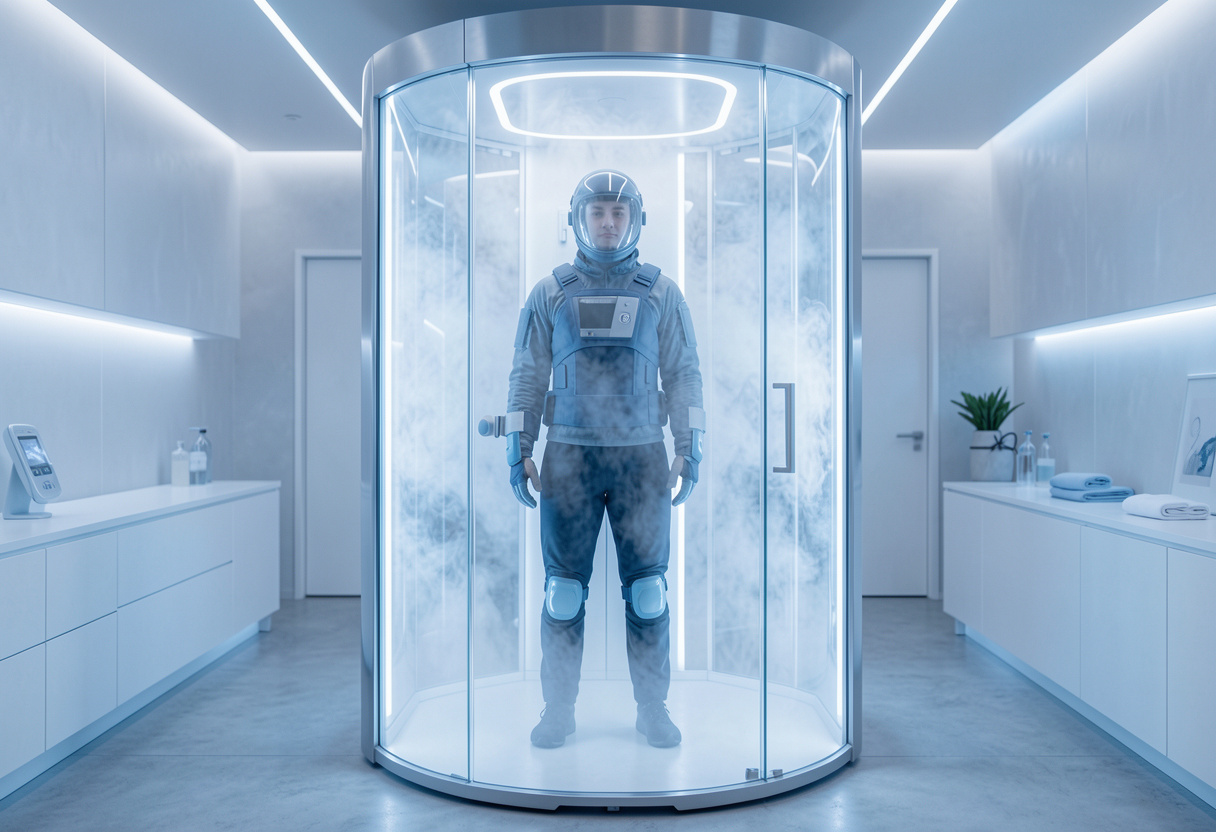
There are different forms of cryotherapy, but the most popular is whole-body cryotherapy, where a person enters a specialized machine called a cryotherapy chamber and is exposed to temperatures ranging from -110°C to -160°C for about 2–4 minutes.
Other types include:
- Localized cryotherapy (targeted cold application on a specific area)
- Ice baths (cold water immersion)
- Cryofacials (cold treatment for the face)
Among these, the cryotherapy chamber is the most advanced and widely used in wellness clinics and sports recovery centers.
2. How Does Cryotherapy Work in the Body?
Cryotherapy works by triggering the body’s natural survival response to extreme cold.
When you enter a cryotherapy chamber, your skin temperature drops rapidly, but your core body temperature remains stable. This sudden exposure activates several biological responses:
Vasoconstriction and Vasodilation
First, your blood vessels tighten (vasoconstriction) to preserve heat and protect vital organs. Once you exit the chamber, the vessels expand (vasodilation), increasing blood flow and oxygen delivery to muscles and tissues.
Endorphin Release
Cold exposure stimulates the release of endorphins—your body’s natural “feel-good” hormones. This can lead to improved mood, reduced stress, and even pain relief.
Reduced Inflammation
Extreme cold slows down nerve activity and reduces inflammatory responses in muscles and joints. This is why cryotherapy is often used for sports recovery and injury management.
Metabolic Activation
Your body burns calories to maintain internal temperature, which slightly boosts metabolism after treatment.
In simple terms, cryotherapy “resets” your body’s stress and inflammation levels in just a few minutes.
3. Benefits of Cryotherapy
Cryotherapy is popular because of its wide range of potential health and wellness benefits. While results can vary, many users report noticeable improvements in several areas.
Faster Muscle Recovery
Athletes often use cryotherapy after intense training sessions. It helps reduce muscle soreness and speeds up recovery by lowering inflammation.
Pain Relief
People with chronic pain conditions such as arthritis or back pain may experience temporary relief due to reduced nerve activity and inflammation.
Improved Skin Health
Cold exposure can stimulate collagen production and improve skin tone. This is why some people use cryotherapy for anti-aging purposes.
Better Mood and Energy
The release of endorphins during cryotherapy can boost mood, reduce anxiety, and increase energy levels.
Potential Weight Management Support
While not a weight-loss solution on its own, cryotherapy may slightly increase calorie burn due to thermogenic response.
It’s important to remember that cryotherapy works best as a supportive wellness tool, not a medical cure.
4. Types of Cryotherapy Treatments
Understanding the different types of cryotherapy can help you choose the right option for your needs.
Whole-Body Cryotherapy
This is done in a cryotherapy chamber, where the entire body is exposed to extremely cold air. It is the most advanced and widely used method in professional clinics.
Localized Cryotherapy
This method targets a specific body area, such as a knee or shoulder. It is often used for injuries or muscle pain.
Ice Bath Therapy
Also known as cold water immersion, this involves sitting in cold water for several minutes. It is popular among athletes but less controlled than chamber-based cryotherapy.
At-Home Cryotherapy Options
With growing demand, many people are now looking for a home cryotherapy machine. These devices are designed for convenience, but they typically do not reach the extreme temperatures of professional chambers.
5. Safety, Side Effects, and Risks
Cryotherapy is generally considered safe when done correctly, but it is not suitable for everyone.
Possible Side Effects
- Temporary skin redness or numbness
- Tingling sensations after treatment
- Light-headedness in rare cases
Who Should Avoid Cryotherapy?
People with the following conditions should consult a doctor before trying it:
- Severe heart conditions
- Cold intolerance disorders
- Uncontrolled high blood pressure
- Pregnancy
Important Safety Note
Always ensure cryotherapy is performed in a certified facility with trained staff. Improper use of a cryotherapy chamber or unregulated devices can increase risks.
6. Cryotherapy Chambers and Home Devices: What to Know Before Buying
As cryotherapy becomes more popular, many clinics, gyms, and even individuals are exploring equipment options.
What Is a Cryotherapy Chamber?
A cryotherapy chamber is a specialized machine designed to expose the body to ultra-low temperatures safely and evenly. These systems are usually found in professional wellness centers and sports clinics.
They are expensive, highly regulated, and require trained operators.
Can You Buy a Cryotherapy Chamber?
Yes, businesses can buy a cryotherapy chamber, but it is a major investment. Prices vary widely depending on brand, technology, and safety features.
These machines require:
- Proper installation
- Electrical and ventilation systems
- Staff training and certification
Home Cryotherapy Machine Options
A home cryotherapy machine is a more accessible alternative, but it is important to understand its limitations.
Most home devices:
- Do not reach extreme cryotherapy temperatures
- Are designed for localized use or mild cold therapy
- Offer convenience rather than clinical-level treatment
Before purchasing, always compare:
- Temperature range
- Safety controls
- Warranty and certification
- Customer reviews and reliability
If your goal is serious athletic recovery or therapeutic treatment, professional cryotherapy chambers are more effective. For general wellness and comfort, home devices may be sufficient.
Conclusion
Cryotherapy is a fascinating blend of science, wellness, and technology. By exposing the body to extreme cold, it triggers powerful physiological responses that may help with recovery, inflammation, pain relief, and overall well-being.
Whether you experience it in a professional cryotherapy chamber or explore a home cryotherapy machine, understanding how it works is essential before starting.
While it is not a miracle cure, cryotherapy can be a valuable addition to a balanced health and recovery routine when used safely and correctly.
As interest continues to grow, more innovations are making cold therapy more accessible than ever—bringing advanced recovery tools from elite athletes to everyday wellness users.
