
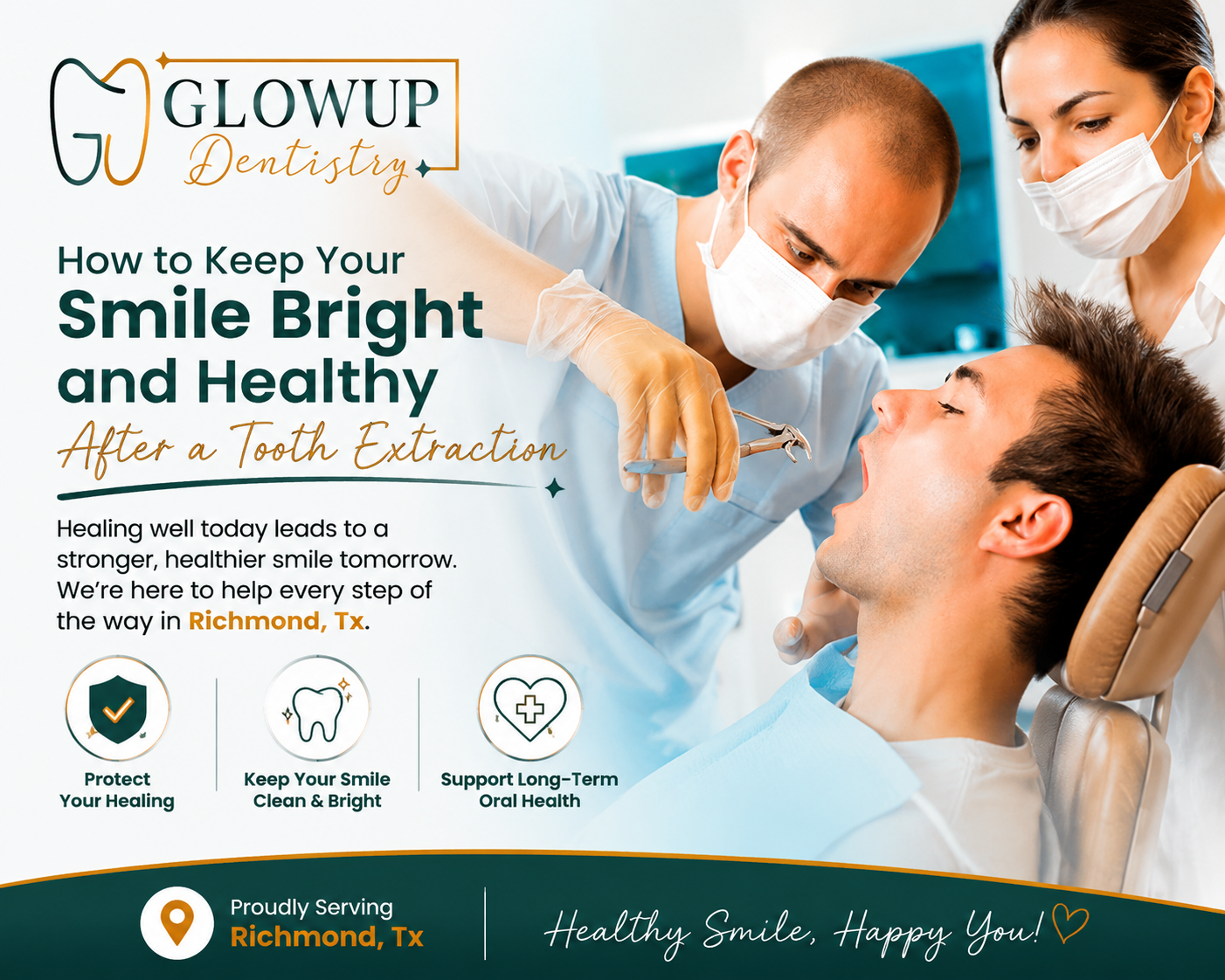
Undergoing a tooth extraction is a common dental procedure, but it doesn’t stop once the tooth is removed. It’s crucial to take proper care of your smile after tooth extractions to ensure you heal quickly and avoid any complications. If you’ve recently had a tooth extracted, you may be wondering how to maintain your smile and keep your mouth healthy during recovery. Let’s walk through the essential steps to help your smile stay bright and healthy after a tooth extraction.
The Importance of Proper Aftercare
After tooth extractions, the healing process can vary depending on the complexity of the extraction and how well you care for the affected area. A smooth recovery ensures that your mouth heals properly and reduces the chances of infection. Taking good care of your mouth after the procedure will also help maintain your overall oral health.
Proper care helps to:
- Prevent infection at the extraction site
- Minimize pain and swelling
- Promote faster healing
- Maintain the health of your remaining teeth and gums
What to Expect After a Tooth Extraction
After a tooth extraction, you might experience some discomfort, swelling, and bleeding. These are normal signs of the body’s healing process. However, the way you handle these symptoms in the first few days can significantly affect your recovery.
- Pain and Discomfort: It’s common to feel some soreness in the days following the procedure. Your dentist may recommend over-the-counter pain relievers, or they may prescribe stronger medication if needed.
- Swelling: Swelling usually peaks 48 hours after the procedure but should subside after a few days.
- Bleeding: A small amount of bleeding is normal right after the extraction, but it should stop within a few hours. Your dentist will give you guidance on how to manage bleeding effectively.
To ensure a quicker recovery, follow your dentist’s aftercare instructions carefully. The next steps will help you manage the healing process effectively.
After Tooth Extractions: The First Few Days
In the immediate aftermath of a tooth extraction, the first 24 to 48 hours are the most critical. Here’s how you can care for your smile during this time:
- Rest and Recover: Take it easy for the first couple of days. Avoid any strenuous activities that could disturb the healing process.
- Keep the Extraction Site Clean: Gently rinse your mouth with warm saltwater after the first 24 hours. This helps keep the site clean without disturbing the blood clot that forms to protect the extraction area.
- Avoid Smoking and Straws: Smoking can slow down the healing process and increase the risk of infection. Additionally, sucking on straws can dislodge the blood clot and cause a painful condition called “dry socket.”
For a more detailed explanation on tooth extractions, you can check out tooth Extraction.
Manage Pain and Swelling Effectively
Dealing with swelling and discomfort is a normal part of the recovery process, but there are steps you can take to manage these symptoms.
- Ice Packs: Apply an ice pack to your cheek near the extraction site to help reduce swelling. Do this for 15-20 minutes at a time, with breaks in between.
- Medication: Follow your dentist’s advice on pain medication. Over-the-counter pain relievers like ibuprofen can help, but your dentist may also prescribe something stronger if necessary.
- Keep Your Head Elevated: When resting, try to keep your head elevated on pillows to minimize swelling.
Soft Diet and Hydration
In the first few days after a tooth extraction, it’s essential to eat soft foods and stay hydrated. Here’s what you should keep in mind:
- Soft Foods: Stick to soft, cool foods like yogurt, mashed potatoes, smoothies, and soups. Avoid anything that’s hard, crunchy, or hot.
- Hydration: Drink plenty of fluids, but avoid using straws. The sucking motion can interfere with the healing process and increase your risk of developing dry socket.
- Avoid Spicy Foods: Spicy foods can irritate the extraction site and delay healing, so it’s best to avoid them during the initial recovery phase.
Keep Your Smile Bright After Tooth Extractions
Maintaining your oral hygiene after tooth extractions is crucial for your long-term health. While you might feel tempted to skip brushing the extraction site, you can continue caring for your teeth with some special precautions.
- Gentle Brushing: Brush your teeth as usual, but avoid brushing the area of extraction for the first few days. After the site heals a bit, gently clean around the extraction area with a soft-bristled toothbrush.
- Avoid Flossing Near the Extraction Site: Don’t floss near the extraction site until your dentist gives the green light. This will avoid disturbing the healing tissue.
By following these steps, you’ll keep your smile bright and free of infection while the extraction site heals.
Check in With Your Dentist in Richmond, TX
Even though you’re taking great care of your smile after tooth extractions, it’s important to continue regular check-ups with your dentist. Follow-up visits allow your dentist to monitor your recovery and address any concerns you might have. If you’re looking for a dentist, you can visit a dentist in Richmond Texas for reliable, personalized care.
Regular dental visits after a tooth extraction are essential for ensuring the site heals properly and that any potential issues are caught early.
Conclusion
Healing after a tooth extraction requires careful attention, but it doesn’t have to be difficult. By following the proper aftercare steps, you can keep your smile bright and healthy while your extraction site heals. Remember, every recovery is different, so always consult your dentist for advice tailored to your situation. If you’re in Richmond, TX, make sure to visit a reliable dentist in Richmond Texas to ensure your recovery goes smoothly.
Taking care of your smile after a tooth extraction not only promotes quick healing but also ensures that your overall oral health remains in great shape.
FAQs
How long does it take to recover after a tooth extraction?
Recovery time after a tooth extraction typically ranges from a few days to a week. Most patients experience swelling and discomfort for the first 48 hours. Following your dentist’s aftercare instructions will help speed up the healing process.
Is it normal to experience pain after a tooth extraction?
Yes, some pain and discomfort are normal after a tooth extraction. However, it should gradually improve over the first few days. Over-the-counter pain relievers can help manage any discomfort, and your dentist may prescribe stronger medication if needed.
Can I eat normally after a tooth extraction?
After a tooth extraction, it’s important to stick to a soft food diet for the first few days. Avoid hot, spicy, or crunchy foods as they can irritate the extraction site. As your healing progresses, you can slowly reintroduce solid foods into your diet.
How can I prevent infection after a tooth extraction?
To prevent infection after a tooth extraction, keep the extraction site clean by rinsing with warm saltwater after the first 24 hours. Avoid touching the area with your hands or tongue, and follow any other care instructions provided by your dentist.
When can I brush my teeth after a tooth extraction?
You should wait 24 hours before brushing near the extraction site to avoid disturbing the blood clot. After the initial healing period, you can gently brush your teeth around the area, but be careful not to irritate the extraction site.
