
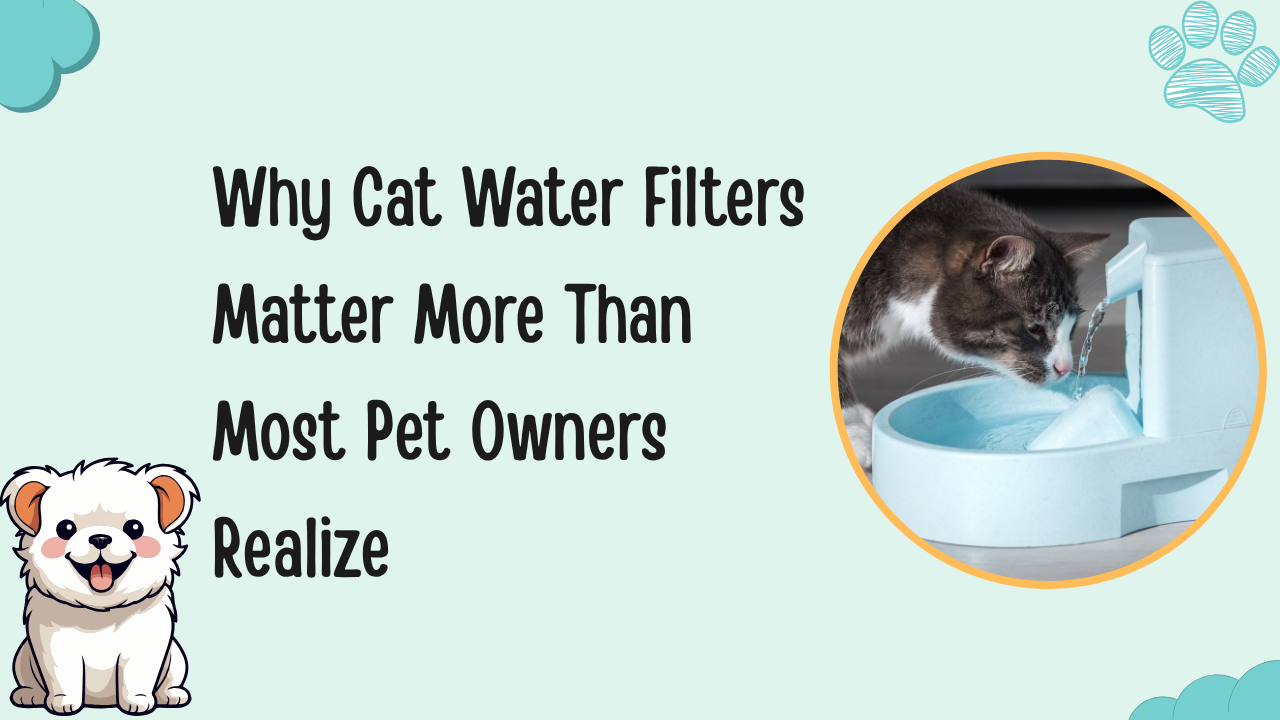
Most cat owners pay attention to food quality, treats, toys, and vet visits. Water, however, often gets less attention than it deserves. Many people assume that filling a bowl with fresh water once or twice a day is enough. Technically, that keeps a cat alive. But healthy hydration involves much more than simply providing water.
This is exactly why cat water filters matter far more than most pet owners realize.
Cats are naturally selective about water quality. They notice smell, freshness, movement, and even the location of the bowl. If the water feels stale or dirty, many cats quietly drink less instead of complaining directly. Unfortunately, reduced water intake may affect hydration, urinary health, and kidney function over time.
Clean and filtered water helps solve several of these problems while encouraging healthier drinking habits naturally.
And honestly, if your cat already judges your life choices daily, questionable water quality probably does not help.
Why Hydration Is So Important for Cats
Hydration affects almost every major function inside a cat’s body.
According to the Cornell Feline Health Center and the American Veterinary Medical Association (AVMA), proper hydration supports:
- Kidney health
- Urinary tract function
- Digestion
- Circulation
- Body temperature regulation
Cats naturally have a lower thirst drive compared to many other animals. Their ancestors survived in desert environments where moisture mainly came from prey instead of regular drinking.
Modern indoor cats still carry that instinct today.
This becomes especially important for cats eating primarily dry food because dry kibble contains very little moisture.
That combination may increase dehydration risk if cats do not drink enough water consistently.
The Problem with Traditional Water Bowls
Traditional bowls seem simple and harmless, but several issues develop quickly once water sits still for long periods.
Water bowls collect:
- Fur
- Dust
- Food particles
- Saliva
- Bacteria
Stagnant water also loses freshness faster than many people realize.
Cats notice those changes surprisingly quickly. Some cats refuse water entirely once it smells or tastes slightly different.
This explains why many cats:
- Prefer faucet water
- Watch sinks carefully
- Paw at bowls
- Ignore standing water completely
A kitty water fountain helps solve this issue by continuously circulating water and improving freshness throughout the day.
What Cat Water Filters Actually Do
Many owners focus on the fountain itself while overlooking the filter inside it.
The filter does most of the important work.
Most modern filtration systems help:
- Remove debris
- Reduce odors
- Improve water taste
- Trap fur and particles
- Support cleaner circulation
Without proper filtration, even moving water eventually becomes dirty.
That is why filters play such a major role in maintaining healthier water conditions.
Why Cats Prefer Filtered Moving Water
Cats instinctively trust moving water more than stagnant water.
In nature, flowing water usually stays cleaner and safer than still water sources. Domestic cats still react to those instincts today.
A cat filtered water fountain works with those natural preferences instead of against them.
The combination of:
- Flowing movement
- Cleaner taste
- Better oxygenation
- Fresher smell
often encourages cats to drink more regularly.
Many owners notice increased water intake shortly after introducing a fountain system.
The Hidden Health Benefits of Better Hydration
Better hydration does much more than simply reduce thirst.
Consistent water intake may help support:
- Kidney function
- Urinary tract health
- Healthy digestion
- Energy levels
- Overall comfort
Veterinary experts often recommend monitoring water habits carefully, especially in:
- Senior cats
- Indoor cats
- Cats eating dry food
- Cats with urinary concerns
Hydration plays a larger role in long-term wellness than many owners realize.
Why Filter Maintenance Matters
A dirty filter cannot properly clean water.
Over time, filters trap:
- Hair
- Debris
- Dust
- Organic particles
Eventually, buildup reduces effectiveness and may even affect water quality negatively.
This is why consistent maintenance matters so much.
Most fountains require filter replacement every 2–4 weeks depending on:
- Number of pets
- Water quality
- Daily usage
- Amount of fur and debris
Clean filters help maintain fresher water and smoother circulation.
The Role of Fountain Pumps
The pump acts like the engine inside the fountain system.
Without proper circulation, water quickly becomes stagnant and filtration becomes less effective.
The pump:
- Moves water continuously
- Supports filtration
- Maintains circulation
- Prevents stagnation
Over time, pumps naturally collect mineral buildup and debris.
Occasional water fountain pump replacement helps restore proper circulation and improve long-term fountain performance.
Regular cleaning also helps extend pump lifespan significantly.
Why Traditional Bowls Often Encourage Poor Drinking Habits
Still water simply becomes less appealing over time.
Cats often drink less from bowls because:
- Water smells stale
- Debris collects visibly
- Water temperature changes
- Bowls stay too close to food or litter areas
A cat water bowl fountain improves several of these issues by creating constant movement and maintaining freshness longer.
That small environmental change often improves hydration habits naturally.
Common Mistakes Cat Owners Make
Even caring owners sometimes overlook basic fountain maintenance.
Waiting Too Long to Replace Filters
Old filters stop cleaning effectively and may create unpleasant odors.
Ignoring Weekly Cleaning
Slime, fur, and bacteria build up surprisingly fast inside fountains.
Using Low Water Levels
Low water stresses the pump and reduces circulation efficiency.
Poor Fountain Placement
Cats usually prefer calm and quiet drinking areas away from litter boxes.
And honestly, most humans would too.
How to Choose Better Cat Water Filters
Not all filters perform equally well.
Quality filters should:
- Fit the fountain properly
- Support strong circulation
- Trap debris effectively
- Reduce odors naturally
- Last consistently between replacements
Using poor-quality filters may reduce fountain performance significantly.
Reliable filtration creates cleaner water and helps maintain healthier hydration habits over time.
Expert Veterinary Guidance on Cat Hydration
Trusted veterinary organizations consistently emphasize hydration importance for cats.
Sources including:
- Cornell Feline Health Center
- AVMA
- American Association of Feline Practitioners (AAFP)
recommend monitoring water intake carefully, especially for indoor and senior cats.
Clean water access remains one of the most important daily wellness factors for pets.
Final Thoughts
Many pet owners underestimate how much water quality affects their cat’s daily behavior and long-term health. Clean, filtered water encourages healthier hydration habits while reducing debris, odors, and stagnant buildup.
That is exactly why cat water filters matter more than most owners realize.
Combined with proper fountain maintenance, good filtration helps create fresher and more appealing drinking conditions for cats. Small improvements in hydration routines may support better wellness, especially over the long term.
And while your cat may still occasionally act like the kitchen sink provides five-star water service, at least the fountain gives them a cleaner and healthier option every day.
