
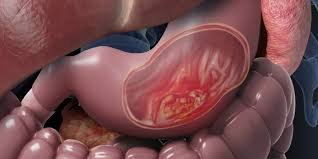
Cancers affecting the digestive system are collectively known as gastrointestinal (GI) cancers. These cancers can develop in various organs, including the oesophagus, stomach, liver, pancreas, gallbladder, small intestine, colon, and rectum. Early awareness of symptoms and treatment options plays an important role in timely diagnosis and improved outcomes. For individuals exploring GI cancer surgery in Delhi, understanding the types of GI cancers and their treatment options can support informed decision-making.
Understanding Gastrointestinal Cancers
The gastrointestinal tract performs essential functions such as digestion, nutrient absorption, and waste elimination. Cancer in this system may affect one organ or spread to nearby structures. Symptoms vary depending on the affected organ but may include unexplained weight loss, persistent abdominal pain, difficulty swallowing, blood in stool, or changes in bowel habits. Early detection allows treatment to begin at a stage when it is more manageable and effective.
1. Oesophageal Cancer
Oesophageal cancer develops in the tube that carries food from the throat to the stomach. It is often associated with long-standing acid reflux, smoking, alcohol use, or obesity.
Common treatments include:
- Surgery: Removal of part or all of the oesophagus (oesophagectomy)
- Radiotherapy: Targeted radiation to shrink or destroy tumour cells
- Chemotherapy: Medicines used before or after surgery
- Targeted therapy: Medicines that attack specific cancer cells
Treatment planning depends on the stage and the patient’s overall health.
2. Stomach (Gastric) Cancer
Stomach cancer begins in the lining of the stomach and may develop slowly over many years. Early symptoms are often mild, which makes awareness important.
Treatment approaches include:
- Gastrectomy: Partial or total removal of the stomach
- Chemotherapy: Used before or after surgery to improve outcomes
- Radiation therapy: May be combined with chemotherapy
- Immunotherapy: Helps the immune system recognise cancer cells
A multidisciplinary treatment plan helps ensure coordinated care.
3. Liver Cancer
Liver cancer may develop within the liver or spread from other organs. Chronic liver disease, hepatitis infections, and fatty liver disease are common risk factors.
Treatment options may include:
- Liver resection: Removal of the cancerous portion of the liver
- Liver transplant: In selected cases
- Ablation therapy: Destroying tumours using heat or cold
- Targeted therapy and immunotherapy: Advanced treatment options
The liver’s ability to regenerate often supports recovery after surgery.
4. Pancreatic Cancer
Pancreatic cancer is considered one of the more complex GI cancers due to its deep location and subtle early symptoms.
Treatment may involve:
- Whipple procedure: Removal of part of the pancreas and nearby organs
- Chemotherapy: To control tumour growth and spread
- Radiotherapy: Used in selected cases
- Palliative care: To manage symptoms and improve comfort
Early diagnosis significantly influences treatment outcomes.
5. Gallbladder Cancer
Gallbladder cancer is relatively rare but often diagnosed at later stages because symptoms appear gradually.
Treatment options include:
- Cholecystectomy: Surgical removal of the gallbladder
- Liver resection: If cancer spreads to nearby liver tissue
- Chemotherapy and radiotherapy: To support treatment outcomes
Timely investigation of gallbladder symptoms can help detect disease earlier.
6. Colorectal Cancer
Colorectal cancer affects the colon or rectum and is among the most common GI cancers. Regular screening plays a major role in early detection.
Treatment strategies include:
- Colon or rectal surgery: Removal of cancerous tissue
- Chemotherapy: Often recommended after surgery
- Radiotherapy: Particularly for rectal cancer
- Targeted therapy and immunotherapy: For advanced cases
Lifestyle changes and screening programmes can help reduce risk.
Role of Surgery in GI Cancer Treatment
Surgery plays an important role in treating many gastrointestinal cancers by removing the tumour and nearby affected tissues while preserving normal digestive function as much as possible.
- Minimally Invasive: Smaller incisions help reduce trauma and support quicker recovery.
- Robotic Precision: Laparoscopic and robotic techniques improve surgical accuracy and control.
- Recovery Protocols: Enhanced recovery plans support faster healing after surgery.
- Post-Operative Care: Improved monitoring helps reduce complications and improve comfort.
These advancements aim to shorten recovery time, reduce risks, and improve patient outcomes.
Multidisciplinary Treatment Approach
GI cancer treatment usually involves a coordinated team of specialists to provide personalised and well-planned care.
- Surgical Oncologists: Perform tumour removal procedures.
- Medical Oncologists: Manage chemotherapy and systemic treatments.
- Radiation Oncologists: Plan and deliver radiation therapy.
- Gastroenterologists: Diagnose and manage digestive system conditions.
- Pathologists & Radiologists: Analyse tests and imaging for accurate diagnosis.
- Nutrition Specialists: Support recovery and strength during treatment.
Collaboration among specialists helps ensure safe, effective, and comprehensive treatment planning.
Importance of Early Diagnosis
Early diagnosis plays a crucial role in improving treatment outcomes and planning effective care. Detecting gastrointestinal cancers at an early stage allows doctors to begin treatment before the disease progresses further. Recommended screening methods may include endoscopy and colonoscopy, imaging tests such as CT and MRI, blood tests and tumour markers, and biopsy for confirmation. Recognising symptoms early and seeking timely medical evaluation can support faster diagnosis, more treatment options, and improved long-term health outcomes for many patients.
Conclusion
Gastrointestinal cancers include a wide range of conditions affecting the digestive system, each requiring a carefully planned treatment approach. Advances in surgery, chemotherapy, radiotherapy, and targeted therapies continue to improve treatment outcomes and patient recovery. For individuals considering GI cancer surgery in Delhi, understanding the types of GI cancers and the available treatments can help facilitate timely medical consultation and informed care decisions. Early diagnosis, coordinated treatment, and regular follow-up remain central to effective gastrointestinal cancer management.
