
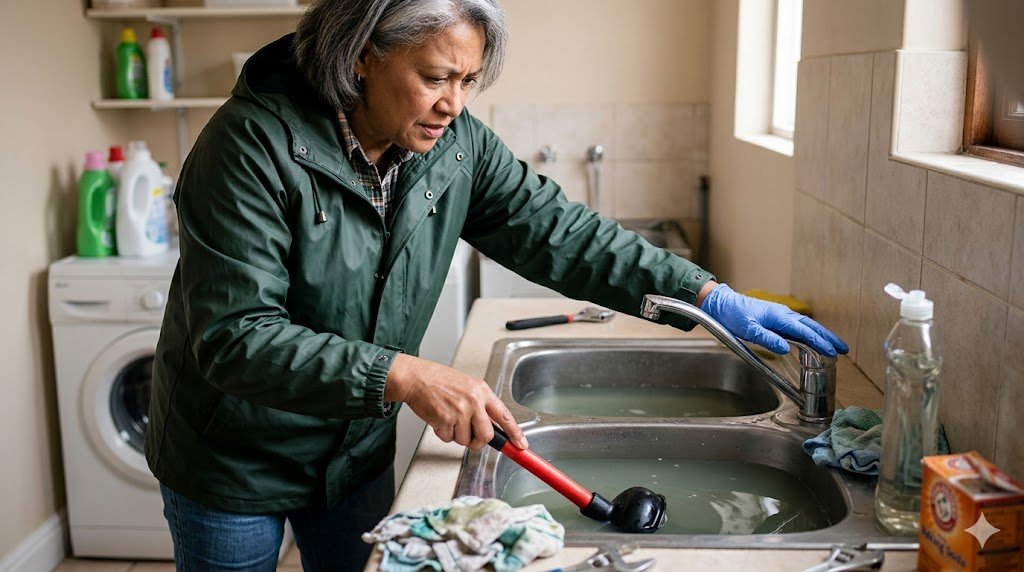
A blocked drain rarely appears out of nowhere. In most cases, the problem builds up quietly over time. The signs are subtle at first, so they are often ignored.
Water may start draining a little slower than usual. A faint smell may come from the sink. Sometimes, there is a soft gurgling noise after water flows away. These are early warnings, not random issues.
Inside the pipe, materials like grease, fat, soap residue, and debris begin to stick to the surface. Over time, this layer thickens. As the passage narrows, waste starts catching onto the build-up, making the blockage worse.
Eventually, one day, the system stops working altogether.
At that stage, most people assume the worst. They think of major repairs or underground damage. However, many drainage issues begin with simple causes. The key lies in understanding the situation early and responding correctly.
Early Signs That Should Not Be Ignored
Drainage systems usually give enough warning before failing completely. Recognising these signs can save time, stress, and money.
Some common indicators include:
- Water is draining slower than normal
- Bubbling or gurgling sounds from pipes
- Unpleasant odours from sinks or bathrooms
- Water backing up into showers or tubs
- Outside drains filling up during use
These signs clearly suggest that something is obstructing the flow inside the pipes. Acting at this stage often prevents a complete blockage.
Step One: Identify Where the Problem Is Coming From
Before taking any action, it is important to understand where the issue might be. If only one fixture is affected, such as a kitchen sink, the blockage is likely local. If multiple areas like toilets, sinks, and baths show the same issue, the problem could be deeper within the system.
Outdoor gullies also provide useful clues. If water collects there during use, the obstruction may be located outside the property rather than inside. This basic observation helps determine whether the issue is minor or something that requires professional attention.
Step Two: Check Common Problem Areas
In many homes, blockages occur in predictable places. Checking these areas first can often resolve the issue quickly.
1. Kitchen Drains
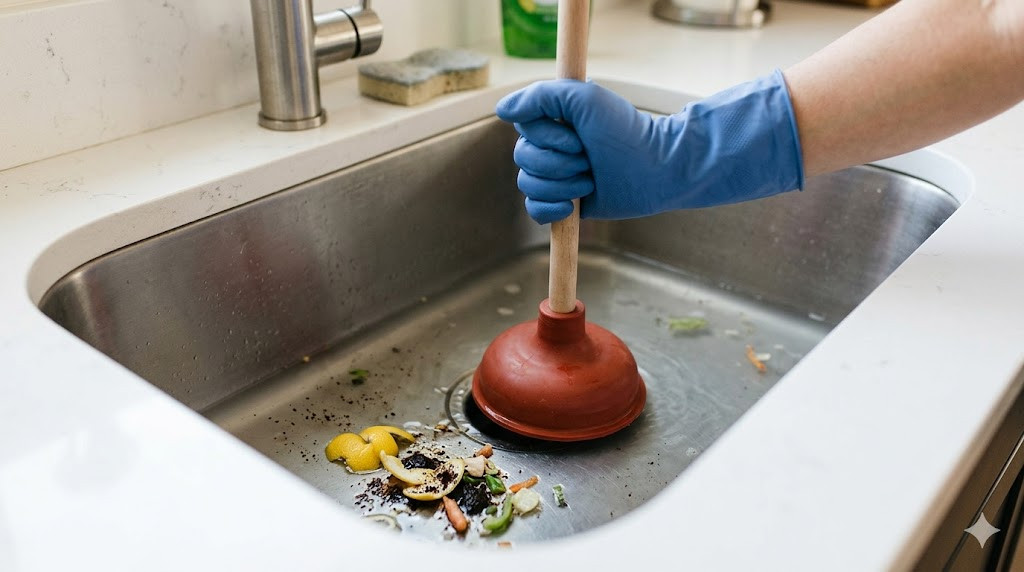
Kitchen sinks deal with grease, oil, and food waste every day. These substances do not flow smoothly through pipes. Instead, they stick to the inner walls and harden over time. Running hot water can sometimes loosen light grease build-up. Cleaning the pipe trap under the sink may also remove small obstructions.
2. Bathroom Drains
Bathroom blockages usually come from everyday use.
Typical causes include:
- Hair
- Soap residue
- Toothpaste build-up
- Skin oils
Removing visible debris near the drain opening can often restore proper flow.
3. Outdoor Gullies
Outdoor drainage points collect more than just water. Leaves, dirt, and waste can gather inside the chamber and block the passage. If the water level rises in the gully, the blockage is often located there. Clearing this area can sometimes fix the issue immediately.
When the Problem Lies Deeper?
Not all blockages are easy to resolve. Sometimes, the issue exists further along the drainage system.
In such cases, the causes may include:
- Tree roots entering the pipe
- Cracked or damaged pipe sections
- Misaligned pipe joints
- Long-term grease and scale accumulation
- Ground movement affecting pipe alignment
These problems usually do not go away on their own. Even if the drain clears temporarily, the blockage tends to return.
This is where expert intervention becomes necessary. A professional Yorkshire drainage company can inspect the system properly and identify the exact cause instead of just treating the symptom.
How Professionals Handle Blocked Drains?
Professional drainage specialists approach the issue with both equipment and experience.
The first step usually involves high-pressure water jetting. This method does more than just push through the blockage. It cleans the pipe walls, removing grease, debris, and residue completely. Once the flow is restored, a CCTV inspection is carried out. A small camera is sent through the pipes to examine their condition in detail.
This helps identify underlying issues such as:
- Structural damage
- Root intrusion
- Build-up patterns
- Weak joints
By addressing the root cause, professionals reduce the chances of repeated blockages.
Why Early Action Matters?
Ignoring drainage issues can lead to bigger problems over time. What starts as a slow drain can quickly turn into a serious situation.
Delays can result in:
- Water overflowed inside the property
- Damage to the flooring and walls
- Unpleasant living conditions
- Costly repairs
Timely action keeps the system functioning properly and prevents unnecessary stress.
When to Call for Help?
Simple blockages can often be managed at home. However, recurring issues or signs of deeper problems should not be ignored.
If the same blockage keeps returning or multiple drains are affected, it is better to seek professional assistance. Experts handling blocked drains Wetherby and the surrounding areas have the right tools and knowledge to resolve the issue effectively.
They not only clear the blockage but also ensure that the system remains reliable in the long run.
Final Word
Drainage problems are common, but they should never be taken lightly. Understanding the early signs and acting promptly makes a significant difference.
A calm and informed approach often prevents small issues from turning into major repairs. Whether it is a minor kitchen blockage or a deeper system fault, the right steps at the right time ensure a smooth solution.
