
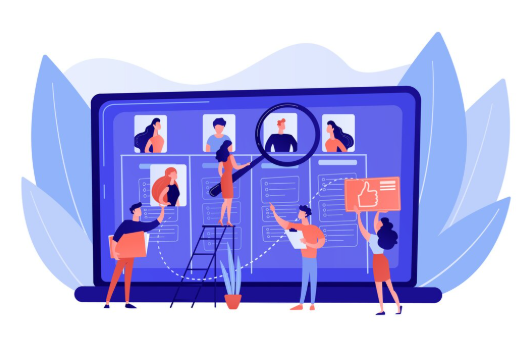
Building high-performance teams is one of the most important goals for any organization that wants long-term success. In today’s competitive business environment, companies are no longer relying only on tools, technology, or strategies. The real difference comes from people—how they are trained, developed, and managed. Human Resource (HR) development plays a central role in shaping employees into motivated, skilled, and productive team members.
This article explores effective HR development techniques that help organizations build high-performance teams, improve collaboration, and achieve sustainable growth.
Understanding High-Performance Teams
A high-performance team is more than just a group of talented individuals. It is a well-coordinated unit where members share goals, communicate effectively, and consistently deliver outstanding results. These teams are characterized by:
- Strong collaboration and trust
- Clear goals and responsibilities
- High accountability
- Continuous learning and improvement
- Effective leadership
HR development is essential in creating and maintaining these qualities within teams.
1. Strategic Recruitment and Talent Selection
The foundation of any high-performance team starts with hiring the right people. HR departments must go beyond technical skills and focus on attitude, adaptability, and cultural fit.
Key practices include:
- Behavioral interviews to assess problem-solving and teamwork skills
- Psychometric testing for personality evaluation
- Skill-based assessments to verify job readiness
- Cultural alignment checks with company values
Hiring individuals who are open to learning and collaboration ensures that the team has a strong foundation from the beginning.
2. Continuous Training and Skill Development
One of the most powerful HR development techniques is ongoing training. Skills become outdated quickly in today’s fast-changing work environment, so continuous learning is essential.
Effective training approaches:
- On-the-job training for real-time experience
- Workshops and seminars for new knowledge
- Online learning platforms for flexible skill development
- Cross-training employees to handle multiple roles
When employees continuously improve their skills, they become more confident and efficient, which directly boosts team performance.
3. Leadership Development Programs
Strong leadership is the backbone of high-performing teams. HR must invest in developing future leaders within the organization.
Leadership development includes:
- Coaching and mentoring programs
- Leadership workshops and simulations
- Decision-making and problem-solving training
- Emotional intelligence development
Good leaders inspire their teams, resolve conflicts effectively, and keep everyone focused on shared goals.
4. Performance Management Systems
A structured performance management system helps teams stay aligned with organizational goals. It ensures that employees know what is expected of them and how their performance is measured.
Key components:
- Clear KPIs (Key Performance Indicators)
- Regular performance reviews
- Constructive feedback sessions
- Goal-setting frameworks like OKRs
Instead of annual evaluations only, continuous feedback helps employees improve in real time, leading to better results.
5. Employee Engagement Strategies
Engaged employees are more productive, loyal, and motivated. HR development focuses heavily on increasing engagement levels within teams.
Engagement techniques:
- Recognition and reward programs
- Open communication channels
- Employee involvement in decision-making
- Team-building activities
When employees feel valued and heard, they naturally contribute more effectively to team success.
6. Effective Communication Development
Communication is the backbone of every successful team. Poor communication leads to misunderstandings, delays, and conflict.
HR can improve communication through:
- Communication skills training
- Regular team meetings and updates
- Digital collaboration tools
- Conflict resolution workshops
Encouraging open and transparent communication builds trust and improves coordination across teams.
7. Career Development and Growth Opportunities
Employees perform better when they see a clear future within the organization. HR development must include structured career growth plans.
Key strategies:
- Career path planning for employees
- Internal promotions and job rotations
- Skill advancement programs
- Personalized development plans
When employees know they are growing, they stay motivated and committed to long-term goals.
8. Building a Positive Work Culture
A strong organizational culture directly impacts team performance. HR plays a key role in shaping a positive, inclusive, and productive workplace.
Elements of a strong culture:
- Respect and trust among employees
- Work-life balance support
- Diversity and inclusion
- Ethical workplace behavior
A positive culture reduces stress, improves satisfaction, and increases collaboration among team members.
9. Team Collaboration Techniques
High-performance teams thrive on collaboration. HR must design systems that encourage teamwork rather than individual competition.
Collaboration methods:
- Group projects and shared goals
- Cross-functional team assignments
- Collaborative digital tools
- Team brainstorming sessions
When employees work together effectively, innovation and productivity naturally increase.
10. Employee Motivation and Reward Systems
Motivation is a key driver of performance. HR must implement reward systems that encourage employees to perform at their best.
Motivation techniques:
- Performance-based bonuses
- Non-monetary rewards like recognition
- Employee of the month programs
- Career advancement incentives
A well-designed reward system boosts morale and encourages healthy competition.
11. Feedback and Continuous Improvement
Feedback is essential for development. Without it, employees may not know where they need improvement.
HR practices include:
- 360-degree feedback systems
- Regular one-on-one meetings
- Anonymous feedback surveys
- Continuous improvement plans
Constructive feedback helps employees refine their skills and contribute more effectively to team goals.
12. Technology-Driven HR Development
Modern HR practices rely heavily on technology to improve efficiency and tracking.
Tools and systems include:
- HR management software
- Learning management systems (LMS)
- Performance tracking dashboards
- AI-based recruitment tools
Technology allows HR teams to make data-driven decisions and improve employee development programs.
13. Conflict Resolution Strategies
Conflicts are natural in any workplace, but if managed properly, they can lead to growth and innovation.
HR conflict resolution techniques:
- Mediation between employees
- Clear grievance handling systems
- Training in emotional intelligence
- Encouraging respectful dialogue
Effective conflict resolution ensures a healthy and productive team environment.
14. Work-Life Balance Support
Employees perform better when they have a balanced life. HR must ensure that work pressure does not negatively impact well-being.
Support strategies:
- Flexible working hours
- Remote work options
- Mental health support programs
- Paid leave policies
A healthy employee is a more productive and focused team member.
15. Data-Driven HR Decision Making
Modern HR development is increasingly based on data analysis. This helps organizations understand employee behavior and performance trends.
Examples of HR analytics:
- Employee turnover rates
- Performance metrics
- Training effectiveness reports
- Engagement level analysis
Data-driven insights help HR improve strategies for building stronger teams.
Conclusion
HR development is the foundation of building high-performance teams in any organization. From hiring the right talent to providing continuous training, improving communication, and fostering a positive culture, every technique plays an important role in shaping successful teams.
Organizations that invest in HR development not only improve employee satisfaction but also achieve higher productivity, innovation, and long-term success. High-performance teams are not created by chance—they are built through consistent effort, strategic planning, and effective HR practices.
By implementing these HR development techniques, businesses can create a strong workforce capable of adapting to change, overcoming challenges, and driving sustainable growth.
