
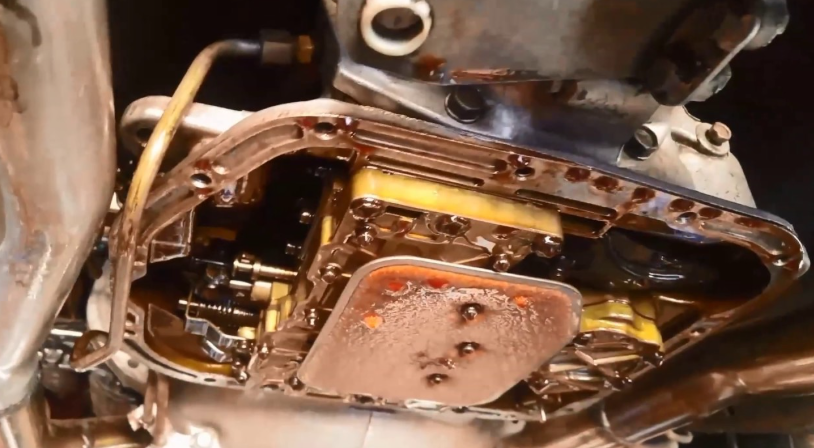
Your vehicle’s transmission is one of its most important and complex systems. It is responsible for transferring power from the engine to the wheels, allowing the vehicle to move smoothly and efficiently. When a transmission leak develops, it can quickly become a serious issue if left unaddressed. Understanding what happens during a repair can help vehicle owners make informed decisions and recognize the importance of timely maintenance. If you are considering Transmission leak repair sterling va, knowing the repair process can help you better understand what technicians do to restore your vehicle’s performance.
Understanding Transmission Leaks
Transmission fluid plays a critical role in lubricating moving parts, reducing friction, cooling components, and ensuring smooth gear shifts. A leak occurs when fluid escapes from the transmission system through damaged seals, worn gaskets, cracked lines, or other faulty components.
Common signs of a transmission leak include:
- Red or reddish-brown fluid under the vehicle
- Difficulty shifting gears
- Delayed acceleration
- Burning smells while driving
- Unusual transmission noises
- Low transmission fluid levels
Addressing these symptoms early can help prevent costly repairs and potential transmission failure.
Step 1: Initial Vehicle Inspection
The repair process begins with a thorough inspection. Technicians first gather information about the vehicle’s symptoms and perform a visual examination. They check the ground beneath the vehicle for signs of fluid leakage and inspect the transmission housing, fluid lines, seals, and surrounding components.
During this stage, mechanics may also examine the transmission fluid itself. The fluid’s color, consistency, and smell can provide valuable clues about the overall health of the transmission system.
Step 2: Confirming the Leak Source
Finding the exact source of a transmission leak can sometimes be challenging because fluid may spread across multiple areas before dripping onto the ground.
Technicians often clean the transmission and surrounding components to remove accumulated dirt and fluid residue. Once cleaned, they may use specialized dyes and ultraviolet lights to trace the leak accurately.
Common leak locations include:
- Transmission pan gasket
- Input shaft seal
- Output shaft seal
- Cooler lines
- Torque converter seals
- Drain plug
- Transmission housing cracks
Accurate diagnosis is essential because repairing the wrong component will not solve the problem.
Step 3: Assessing the Extent of Damage
After identifying the leak source, the technician evaluates the condition of affected components. Some leaks are relatively minor and require only a gasket replacement, while others may indicate deeper transmission issues.
The assessment helps determine:
- Whether seals or gaskets need replacement
- If transmission lines are damaged
- Whether internal components have been affected by low fluid levels
- If additional repairs are necessary
This step allows the repair facility to provide a detailed estimate and repair plan.
Step 4: Draining the Transmission Fluid
Before replacing damaged parts, the existing transmission fluid is usually drained. This ensures safe access to affected components and prevents contamination during repairs.
The technician carefully removes the fluid and may inspect it for metal particles or debris. Excessive contamination can indicate internal wear and may require further diagnostic work.
Proper fluid disposal is also an important part of the process, as transmission fluid must be handled according to environmental regulations.
Step 5: Removing Faulty Components
Once the transmission is drained, technicians begin removing the damaged components responsible for the leak.
Depending on the repair, this may involve:
- Removing the transmission pan
- Disconnecting transmission cooler lines
- Accessing external seals
- Removing protective covers
- Detaching specific transmission components
The complexity of this step varies significantly depending on the location of the leak. Some repairs can be completed relatively quickly, while others require extensive labor to reach internal seals or hard-to-access areas.
Step 6: Replacing Seals, Gaskets, or Damaged Parts
After gaining access to the affected area, technicians install new replacement parts. These components are selected to match the vehicle manufacturer’s specifications to ensure proper fit and performance.
Common replacement items include:
- Pan gaskets
- Input and output shaft seals
- O-rings
- Transmission lines
- Drain plug seals
- Transmission pan bolts
Replacing worn components restores the integrity of the transmission system and prevents future fluid loss.
Step 7: Reassembly and Fluid Refill
Once repairs are complete, the transmission components are carefully reassembled. Proper torque specifications are followed to ensure secure installation without causing damage.
The technician then refills the transmission with the correct type and amount of transmission fluid. Using the proper fluid is critical because different transmissions require specific formulations to operate correctly.
At this stage, fluid levels are checked multiple times to ensure accuracy.
Step 8: System Testing
After reassembly and refilling, the vehicle undergoes extensive testing. Technicians start the engine and allow the transmission to reach operating temperature.
Testing typically includes:
- Checking fluid levels again
- Inspecting repaired areas for leaks
- Evaluating gear shifts
- Monitoring transmission performance
- Performing a road test
The road test helps verify that the transmission functions properly under real driving conditions and that no additional issues are present.
Step 9: Final Inspection and Quality Check
Before returning the vehicle to the owner, a final inspection is conducted. Technicians ensure that all repaired components are secure, fluid levels remain correct, and no leaks are visible.
This final quality check helps confirm that the repair has successfully resolved the problem and that the vehicle is ready for safe operation.
Why Prompt Repairs Matter
Ignoring a transmission leak can lead to severe consequences. As fluid levels drop, internal components lose lubrication and cooling protection. This can result in excessive wear, overheating, slipping gears, and ultimately complete transmission failure.
Prompt repairs offer several benefits:
- Prevent expensive transmission replacements
- Improve vehicle reliability
- Maintain smooth shifting performance
- Reduce the risk of breakdowns
- Extend transmission lifespan
Vehicle owners who address leaks early often save significant money compared to those who delay repairs.
Conclusion
Transmission leaks should never be overlooked. While a small puddle beneath your vehicle may seem minor, it can signal a problem that may worsen over time. Understanding the repair process—from inspection and diagnosis to component replacement and testing—provides valuable insight into how professionals restore transmission performance. Whether the issue involves a worn gasket, damaged seal, or faulty transmission line, timely Transmission leak repair sterling va can help protect your vehicle, improve driving performance, and prevent much larger repair expenses in the future.
