

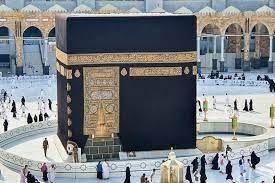
Ramadan, the ninth month of the Islamic lunar calendar, is a period of deep spiritual reflection, devotion, and communal worship. It is also a time when millions of Muslims around the world undertake Umrah, the lesser pilgrimage to Makkah, to intensify their connection with Allah. While Umrah has always been a significant spiritual journey, in recent years, there has been a renewed focus on the revival of Islamic traditions during Ramadan, bridging classical practices with modern lifestyles. This fusion highlights the enduring relevance of faith in contemporary times.
Understanding Ramadan Umrah
Ramadan Umrah is a special pilgrimage performed during the holy month, offering pilgrims the chance to gain immense spiritual rewards. The combination of fasting and performing Umrah elevates the spiritual experience, allowing pilgrims to cleanse their hearts, seek forgiveness, and strengthen their devotion.
Key aspects of Ramadan Umrah include:
- Tawaf: Circumambulating the Kaaba as an act of submission and devotion.
- Sa’i: Walking between Safa and Marwah, commemorating Hajar’s devotion and perseverance.
- Prayer and Reflection: Engaging in Taraweeh, Qiyam al-Layl, and personal supplications, especially in the sacred environment of Masjid al-Haram.
Performing Umrah during Ramadan is considered more spiritually rewarding due to the heightened atmosphere of piety and devotion that permeates Makkah during this month.
The Revival of Islamic Traditions
The modern Muslim community is witnessing a resurgence in traditional Islamic practices, from daily prayers and charity (Zakat and Sadaqah) to collective worship and fasting etiquette. Ramadan acts as a catalyst for this revival, encouraging both young and older generations to engage actively with their faith.
Several factors contribute to this renewed interest:
- Digital Awareness: Social media platforms, Islamic apps, and online educational resources make it easier for Muslims to learn and implement authentic traditions.
- Community Engagement: Local mosques and Islamic centers organize events, lectures, and Iftar gatherings that emphasize traditional practices.
- Modern Umrah Packages: Travel agencies now offer structured Ramadan Umrah packages that integrate classical rituals with modern conveniences, encouraging wider participation.
By revisiting traditional practices through a contemporary lens, Muslims are reconnecting with their heritage while adapting to the demands of modern life.
The Modern Perspective: Integrating Tradition with Convenience
While Islamic traditions are timeless, modern lifestyles often pose challenges for observant Muslims. Work schedules, family commitments, and urban living can sometimes make it difficult to fully embrace spiritual practices. Ramadan Umrah offers a solution by creating an immersive environment where pilgrims can focus solely on worship, reflection, and self-discipline.
Modern Umrah packages, for example, provide:
- Convenient Transportation: Direct flights, airport transfers, and shuttle services reduce travel stress.
- Comfortable Accommodations: Hotels near Masjid al-Haram and Masjid an-Nabawi allow easy access to prayer facilities.
- Guided Rituals: Knowledgeable guides help pilgrims correctly perform rituals, preserving authenticity while simplifying the process.
- Flexible Itineraries: Packages often include free time for reflection, personal worship, or exploring Islamic history in Makkah and Madinah.
This modern approach ensures that traditional practices are accessible, meaningful, and adaptable for today’s pilgrims.
Promoting Spiritual Education Through Umrah
Ramadan Umrah is not only a journey of worship but also an educational experience. Pilgrims gain insights into the historical, theological, and cultural aspects of Islam. Visiting sites like Masjid Quba, Mount Uhud, and the Kaaba reinforces the lessons of Islamic history and prophetic traditions.
For families and young travelers, structured Umrah packages often include:
- Educational sessions on the significance of Ramadan and Umrah.
- Opportunities to engage in volunteer activities, reflecting the Prophet’s emphasis on charity and community service.
- Interactive lectures and discussions to instill knowledge about Islamic etiquette, ethics, and spirituality.
This educational dimension ensures that pilgrims not only perform rituals but also internalize their spiritual and cultural significance.
Challenges and Solutions in Modern Ramadan Umrah
While Ramadan Umrah provides a spiritually enriching experience, pilgrims may face challenges that require careful planning:
- Crowded Holy Sites: Peak season crowds can be overwhelming. Solution: Opt for early morning or late-night Tawaf and Sa’i.
- Fasting Fatigue: Long rituals during fasting hours can be physically demanding. Solution: Schedule rest periods and consume nutritious Iftar and Suhoor meals.
- Logistical Coordination: Travelling with family or groups can be complex. Solution: Use organised group Umrah packages with dedicated guides and coordinators.
By anticipating these challenges, pilgrims can maintain the sanctity and focus of their spiritual journey while navigating modern demands.
The Role of Technology in Reviving Traditions
Technology has played a pivotal role in modern Islamic practices, particularly during Ramadan. Apps for prayer reminders, digital Quran recitations, virtual lectures, and online Umrah guides make religious observance easier and more consistent.
For instance:
- Prayer Apps: Notify users of prayer times, Taraweeh, and Dua schedules.
- Virtual Guides: Offer step-by-step instructions on performing Umrah rituals correctly.
- Online Community Forums: Allow pilgrims to share experiences, tips, and spiritual insights, reinforcing community connections.
These innovations help Muslims maintain traditional practices while accommodating contemporary lifestyles.
Cultural and Social Implications
Ramadan Umrah fosters a sense of global Islamic solidarity. Pilgrims from diverse nationalities come together, exchanging cultural practices, languages, and traditions. This cross-cultural interaction revitalises communal bonds and reinforces the universality of Islamic values.
Moreover, group travel encourages collective responsibility, shared worship, and mutual support, which are essential elements of Islamic tradition. Modern group Umrah packages often include communal accommodations, guided group rituals, and shared meals, enhancing the sense of unity and purpose among pilgrims.
Practical Tips for a Successful Ramadan Umrah
- Plan: Book packages well in advance to secure accommodations and flights.
- Maintain Health: Fasting combined with travel can be taxing. Stay hydrated during non-fasting hours and eat nutritious meals.
- Engage Spiritually: Use free time for reflection, Quran recitation, and voluntary prayers.
- Respect Local Customs: Saudi Arabia observes specific regulations; follow dress codes and behavioural guidelines.
- Document Memories: Capture the spiritual journey through journals or photography (where permissible) for personal reflection.
These steps ensure a fulfilling, balanced, and meaningful pilgrimage experience.
Conclusion
Ramadan Umrah exemplifies the revival of Islamic traditions in the modern era. By integrating classical rituals with contemporary conveniences, pilgrims can achieve a deep, transformative spiritual experience. Whether travelling individually or in groups, this sacred journey reinforces devotion, fosters education, and strengthens community bonds.
In an age of distractions and fast-paced living, Ramadan Umrah serves as a reminder of the timeless values of Islam—faith, reflection, charity, and unity. The modern perspective does not diminish the spiritual essence of the journey; instead, it enhances accessibility, safety, and engagement, ensuring that Islamic traditions continue to thrive and resonate with future generations.
