
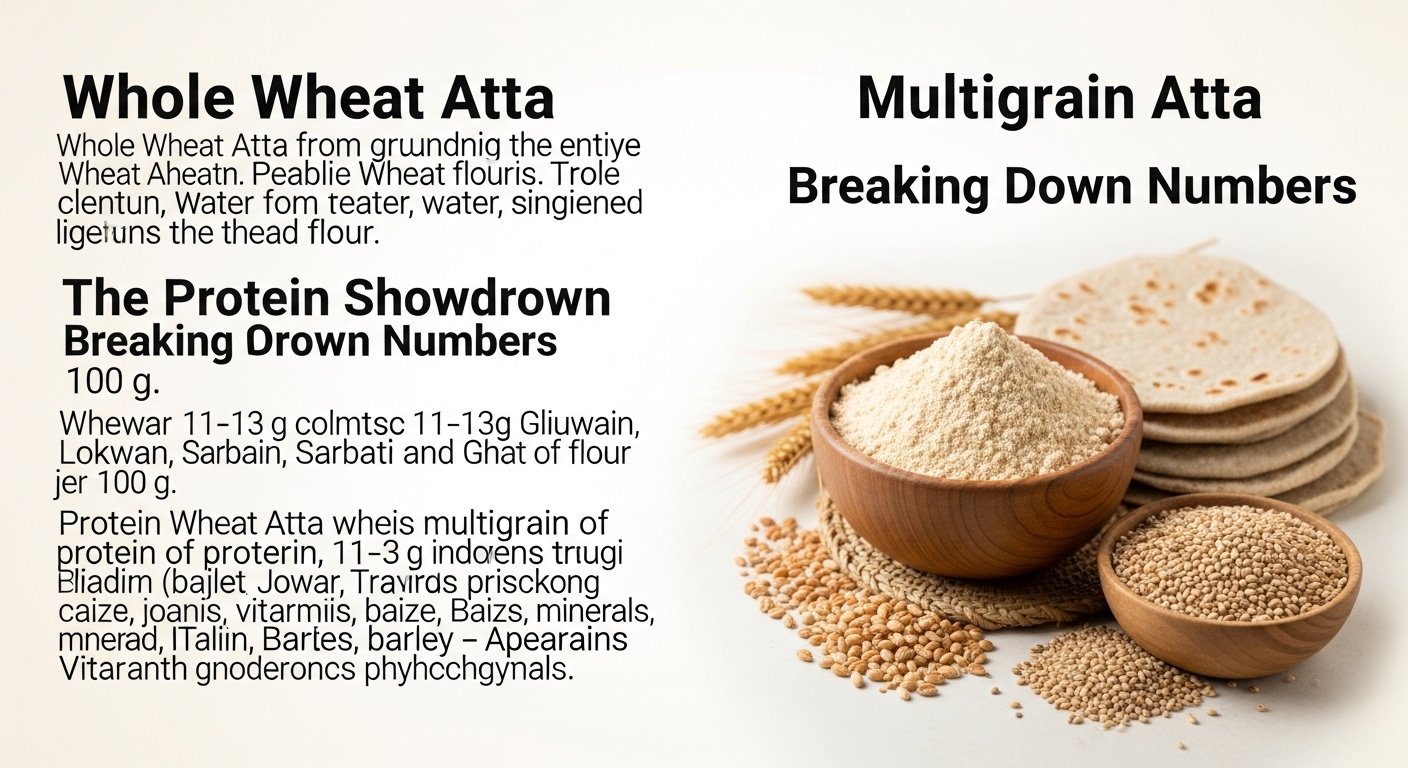
When it comes to choosing the right flour for your daily rotis, the debate between multigrain atta and whole wheat atta has become increasingly relevant for health-conscious consumers. While both options are marketed as healthy alternatives to refined flour, understanding their protein content and overall nutritional profile can help you make an informed decision for your family’s diet.
Understanding the Basics: What Are These Flours?
Whole Wheat Atta
Whole wheat atta is made from grinding the entire wheat kernel, including the bran, germ, and endosperm. This traditional flour has been a staple in Indian households for generations. The wheat used is typically from the Triticum aestivum species, and the flour retains all the natural nutrients present in the wheat grain.
The process of making whole wheat atta involves cleaning the wheat grains, tempering them with water, and then grinding them to produce a fine powder. This method ensures that no part of the wheat grain is removed, keeping the flour nutritionally dense and fiber-rich.
Multigrain Atta
Multigrain atta, as the name suggests, is a blend of multiple grains ground together. While the exact composition varies by brand and manufacturer, typical ingredients include wheat, sorghum (jowar), pearl millet (bajra), finger millet (ragi), oats, barley, maize, and sometimes pseudocereals like amaranth or quinoa.
The concept behind multigrain flour is to combine the nutritional benefits of various grains, creating a more diverse nutrient profile. Each grain contributes its unique set of vitamins, minerals, proteins, and phytochemicals, potentially offering a more comprehensive nutritional package.
The Protein Showdown: Breaking Down the Numbers
Protein Content in Whole Wheat Atta
Whole wheat atta typically contains approximately 11–13 grams of protein per 100 grams of flour. This protein content can vary slightly depending on the wheat variety, growing conditions, and processing methods. Indian wheat varieties like Lokwan, Sarbati, and Sharbati are known for their good protein content.
The protein in whole wheat is primarily composed of gluten proteins, including gliadin and glutenin, which give wheat dough its characteristic elasticity and ability to hold gas during fermentation. Whole wheat also contains albumin and globulin proteins, though in smaller quantities.
Protein Content in Multigrain Atta
The protein content in multigrain atta ranges from 10–14 grams per 100 grams, depending on the specific grain combination and proportions. The variation is wider because different grains contribute different amounts of protein.
For instance, if the multigrain blend contains a higher proportion of protein-rich grains like sorghum (10–11g protein per 100g), oats (13–15g protein per 100g), or ragi (7–8g protein per 100g), the overall protein content increases. Conversely, if the blend has more rice flour or corn flour, which have lower protein content, the total protein may be slightly less.
The Verdict on Protein Content
In most cases, whole wheat atta and multigrain atta have comparable protein content, with neither having a significant advantage over the other. The difference typically ranges from 1–2 grams per 100 grams, which is not substantial enough to be the sole deciding factor.
However, what matters more than quantity is the quality and amino acid profile of the protein. Multigrain atta often has an advantage here because combining different grains creates a more complete amino acid profile, improving the biological value of the protein.
Beyond Protein: Comprehensive Nutritional Comparison
Fiber Content
Whole wheat atta contains approximately 10–12 grams of dietary fiber per 100 grams, most of which comes from the wheat bran. This fiber is primarily insoluble, which helps with digestive health and regular bowel movements.
Multigrain atta generally has a higher fiber content, ranging from 12–15 grams per 100 grams, especially if it includes high-fiber grains like ragi, bajra, or oats. The fiber in multigrain flour is a mix of soluble and insoluble fiber, offering broader digestive benefits and potentially better blood sugar control.
Vitamin and Mineral Profile
Whole wheat atta is rich in B-complex vitamins, particularly thiamine (B1), riboflavin (B2), niacin (B3), and folate. It also provides minerals like iron, magnesium, phosphorus, zinc, and manganese. The wheat germ, in particular, is a concentrated source of vitamin E and B vitamins.
Multigrain atta offers a more diverse micronutrient profile. For example, ragi is exceptionally high in calcium (344mg per 100g compared to wheat’s 30–40mg), while bajra provides higher levels of iron and magnesium. Jowar adds B vitamins and phosphorus, and oats contribute beta-glucan and additional B vitamins.
Glycemic Index
Whole wheat atta has a glycemic index (GI) of approximately 69–72, which is considered medium to high. This means it can cause a moderate rise in blood sugar levels after consumption.
Multigrain atta typically has a lower glycemic index, ranging from 45–60, depending on the grain composition. The inclusion of millets and oats, which have lower GI values, helps slow down glucose absorption, making multigrain atta a better choice for people with diabetes or those trying to manage their blood sugar levels.
Essential Fatty Acids
Both flours contain small amounts of essential fatty acids, but whole wheat atta has a slight edge with its wheat germ oil content, which provides omega-3 and omega-6 fatty acids. However, these fats can become rancid quickly, so freshly ground flour is always preferable.
Multigrain atta, particularly blends containing oats or flaxseed, may offer additional heart-healthy fats, though the quantities remain relatively small in both cases.
Health Benefits: What Each Flour Offers
Benefits of Whole Wheat Atta
Digestive Health: The high insoluble fiber content promotes regular bowel movements and prevents constipation. The fiber also feeds beneficial gut bacteria, supporting overall gut health.
Heart Health: Whole wheat contains phytosterols, lignans, and phenolic acids that have been shown to reduce cholesterol levels and lower the risk of cardiovascular disease.
Weight Management: The fiber and protein in whole wheat atta promote satiety, helping you feel fuller for longer and potentially reducing overall calorie intake.
Consistent Quality: Since whole wheat atta is made from a single grain, its nutritional profile is consistent, making it easier to calculate exact nutritional intake.
Lower Cost: Whole wheat atta is generally more economical than multigrain blends, making it accessible to a broader range of consumers.
Benefits of Multigrain Atta
Complete Amino Acid Profile: By combining different grains, multigrain atta provides a more complete set of essential amino acids, improving protein quality and utilization by the body.
Enhanced Micronutrient Diversity: The variety of grains ensures a broader spectrum of vitamins, minerals, and phytonutrients, reducing the risk of nutritional deficiencies.
Better Blood Sugar Control: The lower glycemic index helps prevent rapid spikes in blood sugar, making it ideal for diabetics and those with insulin resistance.
Improved Mineral Bioavailability: Some grains in multigrain blends have lower phytic acid content or different mineral compositions, potentially improving overall mineral absorption.
Diverse Antioxidants: Different grains contain unique antioxidants. For example, ragi has phenolic acids, while sorghum contains anthocyanins, providing comprehensive antioxidant protection.
Who Should Choose What?
Choose Whole Wheat Atta If:
- You prefer traditional taste and texture in your rotis
- You’re looking for a cost-effective, nutritious option
- You have no specific health concerns requiring dietary modifications
- You prefer consistency in your daily meals
- You’re feeding young children who may be picky about taste
- You have celiac disease concerns and need to avoid certain grain contaminations
Choose Multigrain Atta If:
- You have diabetes or pre-diabetes and need better blood sugar control
- You’re looking to maximize nutritional diversity in your diet
- You want a lower glycemic index option
- You need higher calcium intake (if the blend includes ragi)
- You’re willing to invest more in premium nutritional options
- You enjoy varied flavors and are open to different taste profiles
- You want to incorporate millets and ancient grains into your diet
Common Misconceptions About These Flours
Myth 1: Multigrain Always Means Healthier
While multigrain atta can offer nutritional advantages, it’s not automatically healthier for everyone. Some commercial multigrain blends may contain minimal quantities of exotic grains mixed primarily with wheat, offering little additional benefit while commanding premium prices.
Myth 2: Whole Wheat Has Inferior Nutrition
Whole wheat atta is nutritionally robust and has sustained populations for centuries. It provides excellent fiber, protein, and essential nutrients. The notion that it’s inferior to multigrain options is a marketing oversimplification.
Myth 3: More Grains Mean More Protein
Adding more types of grains doesn’t necessarily increase total protein content significantly. What it does improve is the amino acid profile and the quality of protein, not necessarily the quantity.
Myth 4: Multigrain Flour Is Always Low GI
The glycemic index of multigrain atta depends entirely on the grain composition and proportions. A blend heavy in wheat and rice flour may not have a significantly lower GI than whole wheat atta alone.
How to Choose Quality Flour
For Whole Wheat Atta
Look for the Right Variety: Choose atta made from MP Sharbati, Lokwan, or other premium wheat varieties known for better protein and gluten content.
Check Freshness: Whole wheat atta should be consumed within 2–3 months of milling. Check manufacturing dates and avoid old stock.
Texture Test: Quality whole wheat atta should feel slightly coarse to the touch and have a fresh, slightly sweet aroma.
Avoid Additives: Pure whole wheat atta should contain only wheat. Avoid products with added gluten, preservatives, or improvers.
For Multigrain Atta
Read the Ingredient List: Check the proportion of different grains. The ingredients are listed in descending order by weight, so if wheat is first and other grains are at the bottom, you’re primarily buying wheat flour.
Verify Grain Content: Quality multigrain atta should contain at least 5–7 different grains with meaningful proportions of each (ideally 10–20% of specialty grains).
Check for Fillers: Avoid products with refined flour, maida, or unnecessary additives mixed in.
Brand Reputation: Since multigrain formulations vary widely, stick to reputable brands with transparent ingredient lists and nutritional information.
Freshness Matters: Multigrain atta has an even shorter shelf life than whole wheat due to the varied fat content in different grains. Use within 1–2 months for optimal freshness.
Making the Transition
If you’re considering switching from whole wheat to multigrain atta or vice versa, here are some tips:
Gradual Introduction
Don’t switch completely overnight. Mix the new flour with your regular flour in a 25:75 ratio initially, gradually increasing the proportion over 2–3 weeks. This helps your digestive system adjust to the different fiber types and your family adjust to any taste differences.
Adjust Water Content
Different flours absorb water differently. Multigrain atta often requires slightly more water than whole wheat atta to achieve the right dough consistency. Start with your usual amount and adjust as needed.
Kneading Time
Multigrain dough may require slightly longer kneading to develop proper texture since it typically contains less gluten than pure wheat flour. Knead for an extra minute or two to ensure soft, pliable rotis.
Storage Considerations
Both flours should be stored in airtight containers in a cool, dry place. However, multigrain atta is more susceptible to rancidity due to varied grain oils, so consider refrigeration if you won’t use it within a month.
The Environmental and Economic Perspective
Sustainability
Multigrain cultivation supports agricultural biodiversity, which is crucial for sustainable farming. Many of the millets used in multigrain blends are climate-resilient crops that require less water and fewer pesticides than wheat, making them environmentally friendly choices.
Supporting Traditional Crops
Choosing multigrain atta that includes millets supports farmers growing these traditional grains, helping preserve agricultural heritage and promote crop diversity.
Cost Considerations
Whole wheat atta remains more economical, typically costing 30–50% less than quality multigrain blends. For budget-conscious families, whole wheat provides excellent nutrition at a lower price point.
Expert Recommendations
Nutritionists generally agree that both whole wheat atta and multigrain atta are healthy choices significantly better than refined flour. The choice between them should be based on individual health needs, taste preferences, and budget rather than protein content alone.
For optimal health benefits, consider rotating between both options or using whole wheat atta for daily use and multigrain atta a few times per week to enjoy the benefits of both.
Dr. Shikha Sharma, renowned nutritionist, suggests that “the key is not just the type of flour but the overall dietary pattern. Either flour can be part of a healthy diet when consumed with plenty of vegetables, proteins, and healthy fats.”
Conclusion
When it comes to protein content, whole wheat atta and multigrain atta are nearly equal, with typical differences of only 1–2 grams per 100 grams. The decision between them should not be based solely on protein quantity but rather on the overall nutritional profile, glycemic index, taste preferences, health goals, and budget.
Whole wheat atta remains an excellent, economical choice for daily nutrition, providing robust fiber, protein, and micronutrients. Multigrain atta offers advantages in terms of amino acid profile, glycemic control, and micronutrient diversity, making it ideal for those with specific health concerns or those seeking maximum nutritional variety.
Ultimately, the “best” flour is the one that fits your individual needs, tastes good to you and your family, and can be consumed consistently as part of a balanced, whole-food diet. Both options are infinitely superior to refined flour and can play valuable roles in a healthy eating pattern.
