
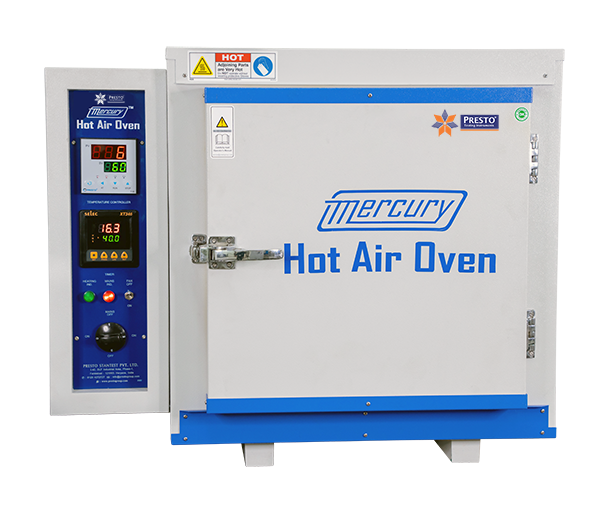
A hot air oven is one of the most widely used laboratory and industrial testing instruments for heating, drying, sterilization, and thermal aging applications. Industries such as plastics, pharmaceuticals, packaging, electronics, textiles, and research laboratories depend on hot air ovens to perform accurate temperature-based testing and quality control procedures.
When purchasing this equipment, one of the most common questions buyers ask is about the hot air oven price. However, the cost of a hot air oven can vary significantly depending on several factors, including chamber size, temperature range, construction quality, and advanced features. Understanding these factors can help businesses make an informed investment.
What Is a Hot Air Oven?
A hot air oven is a temperature-controlled chamber designed to provide uniform heating throughout the testing area. It uses forced hot air circulation to maintain a consistent temperature, ensuring reliable and repeatable test results.
These ovens are commonly used for:
- Material drying
- Thermal aging tests
- Sterilization processes
- Moisture removal
- Heat resistance evaluation
- Product conditioning before testing
Because of their versatility, hot air ovens are considered essential equipment in many quality control laboratories.
Factors That Affect Hot Air Oven Price
1. Chamber Size
One of the biggest factors affecting hot air oven price is chamber capacity. Larger chambers require more materials, insulation, and heating systems, which increases the overall cost.
Organizations should select a chamber size based on their testing volume and sample dimensions rather than choosing a larger model than necessary.
2. Temperature Range
The maximum operating temperature significantly impacts the price. Ovens designed for higher temperatures require specialized heating elements and insulation systems.
Models with wider temperature ranges generally cost more but offer greater flexibility for different testing applications.
3. Temperature Accuracy and Uniformity
Precise temperature control is essential for obtaining reliable test results. Advanced hot air ovens equipped with highly accurate sensors and superior air circulation systems typically have higher prices.
Better temperature uniformity ensures that all samples receive consistent heat exposure during testing.
4. Construction Quality
The materials used in manufacturing the oven also influence the cost. High-quality stainless steel interiors, durable insulation materials, and corrosion-resistant exteriors improve equipment life and performance.
Although premium construction may increase the initial investment, it often reduces maintenance expenses over time.
5. Digital Controls and Automation
Modern hot air ovens feature advanced digital controllers that allow users to set and monitor temperature parameters with ease.
Additional features may include:
- Digital displays
- Programmable testing cycles
- Automatic temperature control
- Data logging systems
- Safety alarms
These advanced functions contribute to a higher purchase price but improve operational efficiency.
Why Quality Matters More Than Price
While comparing hot air oven prices is important, selecting equipment based solely on cost can lead to long-term challenges. Low-quality equipment may produce inconsistent results, require frequent maintenance, and have a shorter operational lifespan.
Investing in a reliable hot air oven offers several benefits:
- Accurate and repeatable testing
- Reduced maintenance costs
- Improved laboratory productivity
- Longer service life
- Better compliance with testing standards
For quality assurance applications, performance and reliability should always be prioritized alongside budget considerations.
Applications of Hot Air Ovens
Hot air ovens are used across various industries for critical testing and production processes.
Packaging Industry
Used for thermal stability and material conditioning tests.
Plastic Industry
Helps evaluate heat resistance and aging characteristics of plastic materials.
Pharmaceutical Industry
Supports drying and sterilization procedures under controlled conditions.
Electronics Industry
Used for component aging tests and heat exposure studies.
Research Laboratories
Provides controlled heating environments for scientific experiments and material evaluations.
How to Choose the Right Hot Air Oven
Before purchasing a hot air oven, businesses should evaluate their specific testing requirements.
Consider the following:
- Required temperature range
- Sample size and testing volume
- Accuracy requirements
- Industry standards
- Safety features
- Future testing needs
Choosing the right equipment ensures efficient testing operations and long-term value.
Why Choose Presto Stantest?
Presto Stantest is a trusted manufacturer of quality testing instruments designed to meet the needs of modern laboratories and industries. Its hot air ovens are engineered to deliver precise temperature control, excellent heat uniformity, and reliable performance.
Built with high-quality materials and advanced technology, these ovens help manufacturers conduct accurate thermal testing while maintaining quality standards. The equipment is designed for durability, ease of operation, and long-term performance, making it a preferred choice across multiple industries.
Conclusion
Hot air oven price depends on several factors, including chamber size, temperature range, accuracy, construction quality, and automation features. While cost is an important consideration, selecting a reliable and high-performance oven is essential for obtaining accurate testing results and maintaining product quality.
With advanced design, dependable performance, and industry-focused solutions, Presto Stantest continues to provide high-quality hot air ovens that support efficient testing and quality assurance across a wide range of applications.
