



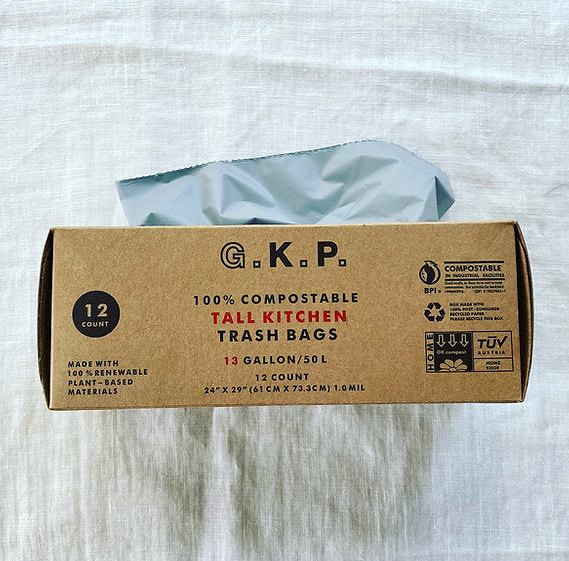
Waste management is one of the biggest environmental challenges today, and single-use plastics play a major role in pollution. As people become more eco-conscious, alternatives like compostable trash bags are gaining popularity. These bags are designed to break down naturally in composting conditions, reducing environmental impact and supporting a cleaner planet.
Unlike traditional plastic garbage bags, compostable trash bags are made from plant-based materials that decompose over time without leaving harmful residues.
What Are Compostable Trash Bags?
Compostable trash bags are waste bags made from natural, renewable resources such as cornstarch, vegetable oils, or plant starch blends. They are designed to break down into organic matter under composting conditions.
Key characteristics include:
- Made from plant-based materials
- Biodegradable under compost conditions
- Free from conventional plastics
- Non-toxic and eco-friendly
- Designed for organic waste disposal
These bags are often used in kitchens, offices, and outdoor waste bins.
How Compostable Trash Bags Work
Compostable trash bags break down through microbial activity in composting environments. Heat, moisture, and oxygen help microorganisms decompose the material into natural elements like water, carbon dioxide, and biomass.
They are typically designed for:
- Home composting systems
- Industrial composting facilities
- Organic waste collection
It is important to note that they require proper conditions to break down effectively.
Why Choose Compostable Trash Bags?
More households and businesses are switching to compostable trash bags because they offer an environmentally responsible way to manage waste.
Key reasons include:
- Reduced plastic pollution
- Safe decomposition into natural elements
- Renewable raw materials
- Lower environmental footprint
- Support for sustainable living practices
They are an excellent alternative to traditional plastic garbage bags.
Benefits of Compostable Trash Bags
Environmentally Friendly
The biggest advantage is their ability to break down naturally without harming ecosystems. Unlike plastic bags that take hundreds of years to degrade, compostable bags return to the earth safely.
Reduced Plastic Waste
Switching to compostable bags significantly reduces the amount of plastic entering landfills and oceans.
Safe for Organic Waste
These bags are ideal for food scraps, garden waste, and other biodegradable materials.
Non-Toxic Materials
Compostable trash bags are free from harmful chemicals, making them safer for both humans and the environment.
Sustainable Production
They are made from renewable resources such as corn starch or plant oils, reducing dependency on fossil fuels.
Materials Used in Compostable Trash Bags
Compostable trash bags are made from natural, plant-based materials designed to decompose efficiently.
Cornstarch
A common material used to create biodegradable polymers.
PLA (Polylactic Acid)
Derived from fermented plant starch, often used in industrial compostable products.
PBAT (Polybutylene Adipate Terephthalate)
A biodegradable polymer that helps improve flexibility and durability.
Vegetable Oils
Used in some blends to enhance compostability and strength.
Compostable vs Biodegradable Trash Bags
Compostable Bags
- Break down into natural elements in composting conditions
- Leave no toxic residue
- Certified under composting standards
Biodegradable Bags
- Break down over time but may leave microplastics
- Decomposition varies depending on environment
- Not always suitable for composting systems
Compostable bags are generally considered the more environmentally friendly option.
How to Use Compostable Trash Bags
Using compostable trash bags is simple and similar to regular garbage bags.
Step 1: Line Your Bin
Place the compostable bag inside your kitchen or waste bin.
Step 2: Add Organic Waste
Dispose of food scraps, garden waste, and other compostable materials.
Step 3: Avoid Non-Compostable Items
Do not mix plastic, metal, or hazardous waste with compostable materials.
Step 4: Dispose Properly
Transfer full bags to a composting system or approved waste collection point.
Proper Storage and Handling
To maintain quality, compostable trash bags should be stored correctly:
- Keep in a cool, dry place
- Avoid direct sunlight
- Use within recommended time frame
- Keep away from moisture before use
Improper storage can affect their strength and usability.
Compostable Trash Bags vs Plastic Bags
Environmental Impact
Plastic bags take centuries to decompose, while compostable bags break down naturally in composting environments.
Waste Management
Compostable bags support organic waste recycling, while plastic bags contribute to landfill buildup.
Safety
Compostable bags are made from non-toxic materials, making them safer for the environment.
Sustainability
Compostable bags are made from renewable resources, unlike petroleum-based plastics.
Common Mistakes to Avoid
Using in Non-Composting Conditions
Compostable bags require proper composting environments to break down effectively.
Mixing Non-Biodegradable Waste
Adding plastic or metal reduces compost quality.
Long-Term Storage of Filled Bags
Filled compostable bags should not be stored for long periods as they may begin to degrade.
Who Should Use Compostable Trash Bags?
Compostable trash bags are ideal for:
- Eco-conscious households
- Organic waste management systems
- Restaurants and cafes
- Zero-waste lifestyle followers
- Sustainable communities
They are especially useful for managing kitchen and garden waste.
Why Compostable Trash Bags Are Growing in Popularity
As environmental awareness increases, more people are looking for sustainable waste management solutions. Compostable trash bags offer a practical and responsible alternative to traditional plastics.
Governments and businesses are also encouraging the use of compostable products to reduce pollution and landfill waste.
Conclusion
Compostable trash bags are an effective and environmentally responsible solution for modern waste management. Made from plant-based materials, they break down naturally under composting conditions and help reduce plastic pollution.
By switching to compostable alternatives, households and businesses can take an important step toward a cleaner, greener, and more sustainable future.
