
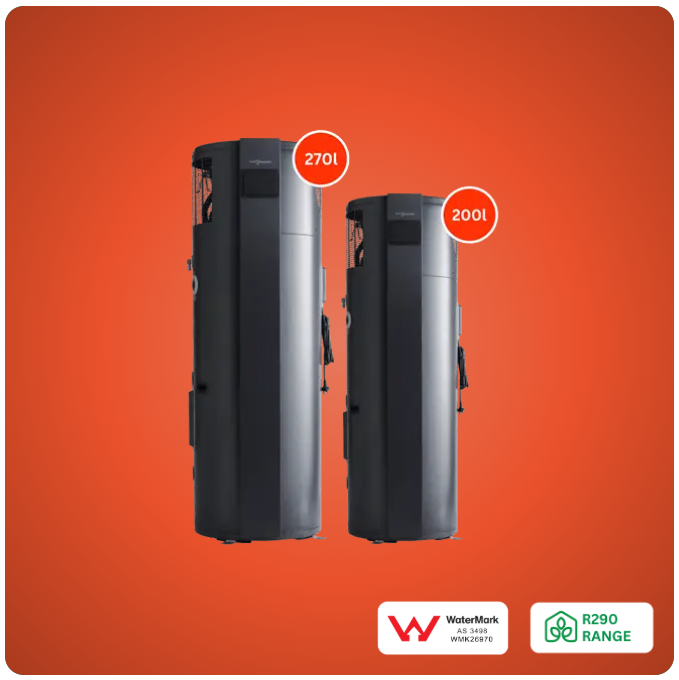
A Hot Water Heat Pump is one of the most efficient and sustainable ways to produce domestic hot water for homes and commercial properties. Instead of generating heat directly like traditional electric or gas systems, a Hot Water Heat Pump works by transferring heat from the surrounding air into the water storage tank. This advanced technology allows property owners to significantly reduce electricity consumption while maintaining a consistent hot water supply.
Modern households are increasingly seeking environmentally responsible solutions, and a Hot Water Heat Pump stands out as a practical answer. By extracting renewable energy from the air, these systems reduce dependency on fossil fuels and lower greenhouse gas emissions. For property owners looking to upgrade, understanding how this technology works is the first step toward making an informed decision.
How a Hot Water Heat Pump Works
A Hot Water Heat Pump operates on a simple but highly efficient principle: heat transfer. The system absorbs ambient air heat through an evaporator, compresses it to increase temperature, and transfers it to the water stored in the tank. Because it moves heat rather than generating it, the energy required to operate the system is significantly lower than conventional electric resistance heaters.
This process makes the Hot Water Heat Pump an ideal option in climates where ambient air temperature remains moderate for most of the year. Even in cooler environments, advanced models are engineered to perform reliably. By using minimal electricity to move heat, the system can deliver up to three to four times more energy than it consumes, making it a highly efficient hot water solution.
Energy Efficiency and Cost Savings
One of the main reasons homeowners choose a Hot Water Heat Pump is its impressive energy efficiency. Traditional water heaters convert electricity directly into heat, which consumes high levels of energy. In contrast, a Hot Water Heat Pump leverages renewable ambient heat, reducing overall power usage.
Lower energy consumption directly translates to reduced utility bills. Over time, the savings generated by installing a Hot Water Heat Pump can offset the initial investment cost. For commercial buildings with higher hot water demand, the long-term operational savings can be even more substantial. Additionally, improved efficiency contributes to a lower carbon footprint, aligning with modern sustainability goals.
Environmental Benefits of a Hot Water Heat Pump
Sustainability is no longer optional—it is essential. A Hot Water Heat Pump supports environmentally conscious living by reducing reliance on non-renewable energy sources. Because it primarily uses heat from the air, it significantly lowers greenhouse gas emissions compared to gas or electric storage systems.
Installing a Hot Water Heat Pump also complements renewable energy systems such as solar power. When paired with solar electricity, the system becomes even more efficient and environmentally friendly. This combination creates a reliable hot water supply while supporting long-term climate goals and energy independence.
Ideal Applications for Residential and Commercial Use
A Hot Water Heat Pump is suitable for a wide range of applications. In residential properties, it provides consistent hot water for daily needs such as bathing, cooking, and cleaning. Families benefit from stable water temperatures and lower monthly expenses.
For commercial environments—such as offices, hospitality venues, and multi-residential buildings—a Hot Water Heat Pump offers scalable solutions to meet higher demand. Its reliable performance and energy efficiency make it a smart investment for property managers aiming to reduce operational costs while maintaining performance standards.
Key Features to Consider in a Hot Water Heat Pump
When selecting a Hot Water Heat Pump, it is important to evaluate system capacity, energy rating, noise levels, and installation requirements. Storage tank size should match household or commercial usage patterns to ensure consistent availability of hot water.
Advanced models of a Hot Water Heat Pump often include smart controls, programmable timers, and enhanced insulation for improved thermal retention. These features increase convenience and optimize performance. Proper installation and professional guidance also ensure the system operates at peak efficiency throughout its lifespan.
Long-Term Reliability and Maintenance
Durability is another major advantage of a Hot Water Heat Pump. With fewer direct heating elements compared to conventional systems, wear and tear can be reduced. Regular servicing—such as checking filters and ensuring adequate airflow—helps maintain efficiency and prolong system life.
Routine maintenance of a Hot Water Heat Pump is generally straightforward, and professional servicing ensures consistent performance. Over the long term, these systems offer dependable hot water production with minimal operational concerns.
Choosing the Right Hot Water Heat Pump with Expert Guidance
Selecting the correct Hot Water Heat Pump requires careful assessment of property size, climate conditions, and hot water demand. Consulting experienced professionals ensures that the system aligns with both performance expectations and energy-saving goals.
Next Cycle provides advanced, high-efficiency Hot Water Heat Pump systems designed to significantly reduce energy consumption while maximizing hot water output. With a strong focus on sustainable technology and strict performance standards, Next Cycle supports property owners in choosing reliable solutions that meet modern efficiency requirements.
