
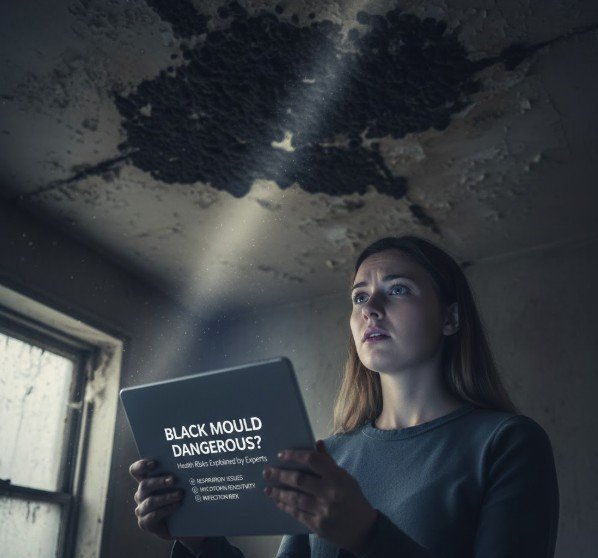
Rapid Mould Growth After Flooding
Flood damage does more than leave visible water behind—it creates ideal conditions for microbial growth within hours. In many cases, mould can begin developing within 24 to 48 hours after water intrusion. That’s why prompt mould removal in Melbourne is essential following any flooding event. Melbourne’s fluctuating temperatures and periods of high humidity allow moisture to linger in enclosed spaces, especially inside wall cavities, ceiling voids, subfloors, and insulation. Without immediate drying and containment, minor dampness can quickly escalate into widespread contamination that affects both building materials and indoor air quality.
Hidden Moisture and Structural Risk
After floodwater is extracted, residual moisture often remains trapped within porous materials such as plasterboard, timber framing, carpet underlay, and cabinetry. These materials act like sponges, holding moisture long after surfaces appear dry. Hidden damp zones create a nutrient-rich environment for airborne mould spores to colonise and spread.
Over time, mould feeds on organic materials, gradually breaking down timber and other cellulose-based components. This deterioration can compromise structural integrity, particularly in subfloors and wall framing. If left untreated, what begins as surface contamination may require costly demolition and reconstruction. Early professional intervention significantly reduces long-term repair expenses and preserves more of the property’s original structure.
Health Implications of Delayed Treatment
Beyond structural concerns, mould growth can negatively impact indoor air quality. Elevated spore levels may contribute to respiratory irritation, sinus congestion, headaches, fatigue, and aggravated asthma symptoms—particularly in children, elderly occupants, and individuals with existing respiratory conditions. Professional mould remediation Melbourne services focus on both removing contamination and addressing the underlying moisture source to prevent recurrence. Surface cleaning alone is rarely sufficient and often results in mould returning within weeks.
The Importance of Professional Drying and Containment
Effective post-flood restoration involves more than visible cleaning. Industry-standard procedures include moisture mapping, thermal imaging inspections, and controlled drying using commercial-grade air movers and dehumidifiers. Containment barriers and negative air pressure systems are often implemented to prevent cross-contamination during the removal process.
DIY approaches can disturb mould colonies, releasing additional spores into the air and spreading contamination to unaffected areas. Professional remediation teams follow strict protocols to safely remove impacted materials, treat affected surfaces, and ensure moisture levels return to acceptable standards before rebuilding begins.
Protecting Property Value and Insurance Claims
Unresolved mould issues can significantly affect property value and complicate insurance claims. Insurers typically require evidence that appropriate mitigation steps were taken promptly after flood damage. Delays in addressing moisture problems may reduce claim eligibility or increase out-of-pocket repair costs. Engaging qualified restoration professionals provides documentation of proper drying, remediation, and clearance processes—protecting both the asset and the homeowner’s financial interests.
Preventing Long-Term Recurrence
Flood recovery does not end when water is removed. Ongoing monitoring of humidity levels, adequate ventilation, and prompt repair of leaks are essential to prevent future mould growth. Installing exhaust fans in high-moisture areas, maintaining roof and plumbing systems, and ensuring subfloor ventilation are proactive steps that reduce risk.
In summary, addressing mould immediately after flood damage is not optional—it is a critical step in protecting structural integrity, indoor air quality, occupant health, and property value. Timely professional intervention ensures that hidden moisture is properly managed, contamination is safely removed, and the home is restored to a safe and stable condition.
