
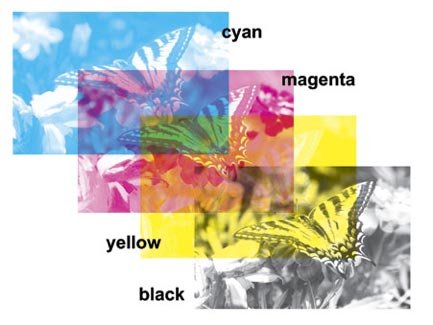
Color separation is one of the most critical steps in apparel printing, especially when it comes to screen printing, DTG (direct-to-garment) printing, and embroidery. Proper color separation ensures that designs appear crisp, vibrant, and true to the original artwork. However, despite its importance, many designers and printers encounter common issues that can compromise the final product. Understanding these challenges can help prevent costly mistakes and enhance the overall quality of your apparel printing projects.
What is Color Separation in Apparel Printing?
Color separation is the process of dividing a full-color design into individual color layers that can be printed one at a time. Each color in a design is printed using a separate screen in screen printing or a specific stitch in embroidery. The goal of color separation is to maintain the integrity of the original design while ensuring that colors do not blend unintentionally. Poor separation can result in muddy colors, misalignment, or loss of detail.
Common Color Separation Issues
Several common issues arise during color separation in apparel printing. Identifying these problems early in the design process is crucial to maintaining print quality.
1. Incorrect Color Matching
One of the most frequent issues is incorrect color matching. Colors that look accurate on a computer screen may not appear the same when printed due to differences in color models (RGB vs. CMYK). Without proper calibration, the printed colors may appear faded or overly vibrant.
2. Overlapping Colors
Overlapping colors occur when two or more layers are not properly isolated during the separation process. This can cause colors to mix unintentionally, resulting in blurred edges or unwanted shades. This issue is particularly common in complex designs with gradients or fine details.
3. Missing or Extra Layers
Sometimes, certain colors may be omitted, or extra layers may be added by mistake. This usually happens when the original design file is not properly prepared for separation. Missing layers can leave parts of the design incomplete, while extra layers can create confusion during printing.
4. Loss of Detail in Small Elements
Small details like thin lines, text, or intricate patterns often get lost during color separation. If the design is too detailed for the chosen printing method, these elements may appear blurry or indistinct. Adjusting line thickness and simplifying intricate designs can prevent this issue.
5. Misaligned Layers
Misalignment occurs when separated layers do not line up correctly during the printing process. Even slight shifts can produce double edges or a “shadow” effect. This is often due to improper registration during screen printing or inaccurate stitch placement in embroidery.
6. Too Many Colors
Using too many colors in a design can complicate the separation process and increase production costs. Each additional color requires a new screen or stitch layer, which can make registration and color accuracy more difficult. Limiting the design to essential colors helps maintain clarity and reduces errors.
Tips to Prevent Color Separation Problems
Preventing color separation issues starts with proper preparation and attention to detail.
1. Use High-Quality Artwork
Always work with high-resolution files in vector format whenever possible. Vector files maintain their quality regardless of size and make separating colors more precise.
2. Understand Your Printing Method
Different printing methods handle colors differently. For example, screen printing requires separate screens for each color, while DTG printers can handle gradients more effectively. Knowing your printing method helps tailor the separation process.
3. Simplify Designs
Simplifying designs, especially those with gradients or fine details, reduces the likelihood of errors during separation. Focus on essential elements and limit the number of colors for better results.
4. Proof Before Printing
Always review a printed proof before mass production. Proofing allows you to spot color mismatches, alignment issues, or missing elements before it becomes costly to fix.
5. Work with Experienced Professionals
Partnering with experienced designers or embroidery digitizers ensures your color separation is done correctly. Professionals know how to manage complex designs and maintain color integrity across various printing methods.
Conclusion
Color separation is a crucial step in apparel printing that directly impacts the quality and vibrancy of your final product. Common issues such as incorrect color matching, overlapping layers, misalignment, and loss of detail can compromise your design if not addressed early. By using high-quality artwork, simplifying designs, understanding printing methods, and working with experienced professionals, these problems can be minimized.
For businesses and designers looking for expert guidance, USA Digitizing Pro offers professional color separation and embroidery digitizing services tailored for flawless apparel printing. Their expertise ensures that every design maintains its integrity, resulting in crisp, vibrant, and accurate prints on all types of apparel.
