
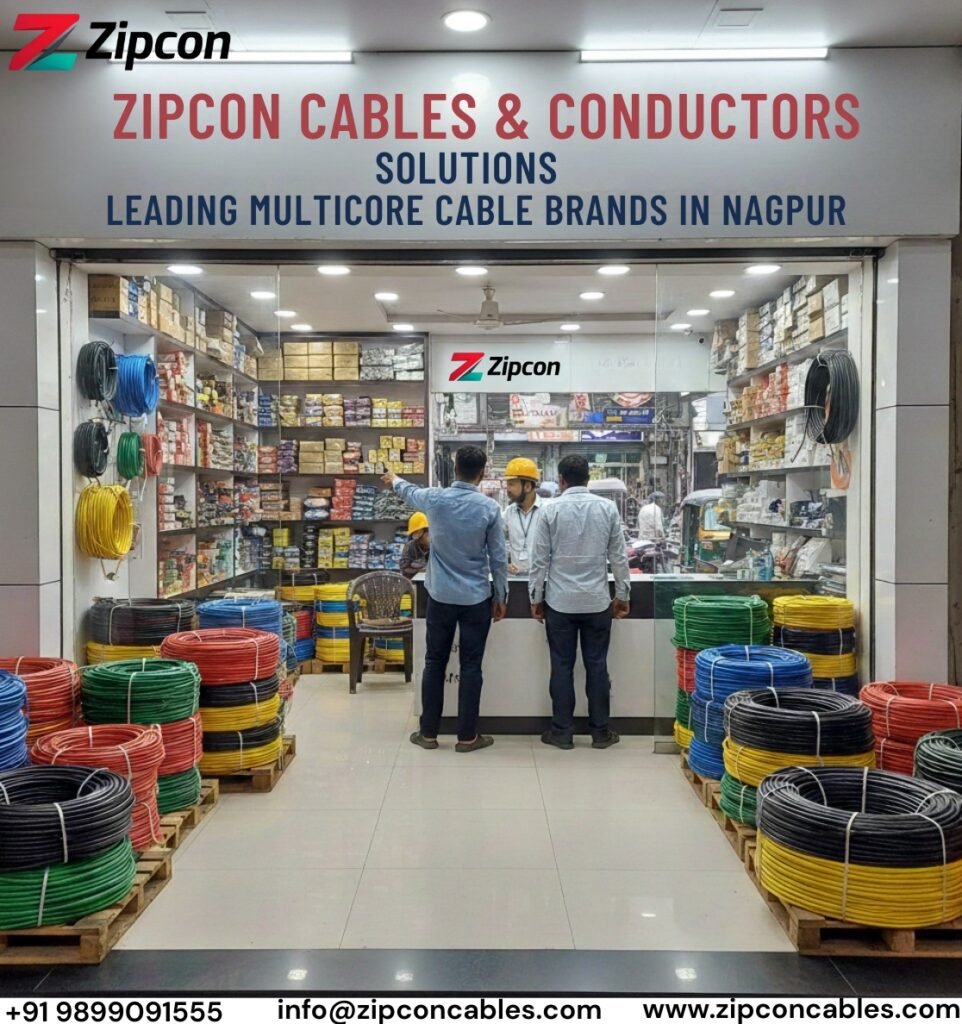
When selecting electrical round cables in Nagpur Zipcon Cables emerges as a trusted name, offering reliable options for both residential and industrial applications. The right choice of cable plays a crucial role in the safety, performance, and lifespan of any electrical system. Factors like conductivity, durability, weight, cost, and ease of installation should guide your decision-making process. This article breaks down these key aspects to help you choose the right cable for your needs.
For technical support or project inquiries: https://zipconcables.com/contact-us/
1. Conductivity
Conductivity is essential for efficient energy transfer. The material used in the cable significantly impacts this property.
- Copper Cables: Copper is known for its excellent conductivity, making it the preferred material for high-power applications. It ensures minimal energy loss, especially in long-distance wiring, and is ideal for heavy-duty machinery and commercial buildings.
- Aluminum Cables: Though not as conductive as copper, aluminum is lighter and more affordable. It’s a good option for residential wiring and less demanding installations where energy loss is less of a concern.
Comparison: Copper cables, like Zipcon’s Copper Round Cables, offer superior conductivity for high-power and long-distance installations.
2. Durability
Durability refers to how well the cable resists wear, corrosion, and harsh conditions over time.
- Copper Cables: Known for their longevity, copper cables resist corrosion, making them suitable for environments with high humidity or corrosive elements.
- Aluminum Cables: While aluminum is cost-effective, it’s more prone to corrosion, especially in moist conditions, making it less durable than copper.
Recommendation: Copper cables, particularly those from Zipcon, are ideal for long-lasting installations in both residential and industrial settings.
3. Weight
The weight of a cable affects its handling during installation and its long-term durability.
- Copper Cables: Heavier than aluminum, copper cables can be more challenging to handle during installation but offer superior performance in high-power applications.
- Aluminum Cables: Lighter and easier to handle, aluminum cables are beneficial for large-scale residential or commercial projects.
Recommendation: For projects prioritizing ease of installation, aluminum cables are the better choice. For high-performance, weight becomes secondary to conductivity, making copper a superior option.
4. Cost
Cost is an important consideration, particularly for budget-conscious projects.
- Copper Cables: Copper cables tend to be more expensive but offer better conductivity, longer durability, and efficiency, making them a worthwhile investment for high-end or critical installations.
- Aluminum Cables: Aluminum cables are more affordable and can still meet the performance needs for residential or smaller-scale projects.
Recommendation: If cost is a primary concern, aluminum cables may be suitable for budget-friendly projects. However, for installations requiring superior long-term performance, investing in copper cables from Zipcon is a smart choice.
5. Safety
Safety is critical in preventing issues like overheating or electrical fires.
- Copper Cables: Copper’s low resistance makes it less prone to overheating, ensuring safer operations, especially in high-power applications.
- Aluminum Cables: Aluminum cables may overheat if not properly installed, especially if there are loose connections. Over time, expansion and contraction can lead to safety hazards.
Recommendation: Copper cables are the safer option, especially for critical systems where overheating could lead to significant risks.
6. Installation Needs
The installation process can vary based on the weight and material of the cable.
- Copper Cables: While copper cables require careful handling due to their weight, they’re relatively easy to install with the proper insulation to prevent corrosion.
- Aluminum Cables: Aluminum cables are easier to install due to their lightweight nature, but they may need specialized connectors to ensure secure, safe connections.
Recommendation: For faster and more convenient installations, aluminum cables are ideal. However, for installations that demand durability and high performance, copper cables, despite being heavier, are the better choice.
7. Typical Use Cases
Choosing between copper and aluminum depends largely on the specific application.
- Copper Cables: Copper cables excel in high-demand environments like industrial machinery, high-voltage circuits, commercial buildings, and power transmission.
- Aluminum Cables: Aluminum cables are better suited for residential wiring, low-voltage circuits, outdoor installations, and large-scale projects with a focus on cost-efficiency.
Conclusion
The choice between copper and aluminum cables in Nagpur hinges on the specifics of your project. Copper cables from Zipcon provide excellent conductivity, durability, and safety for high-performance residential and industrial installations. For applications where budget and ease of installation are more important, aluminum cables can serve as an effective and affordable alternative.
Ultimately, choosing the right cable comes down to balancing your needs in terms of application, cost, and long-term performance. Zipcon Cables offers high-quality copper cables designed to meet modern electrical system demands, ensuring both safety and efficiency.
