
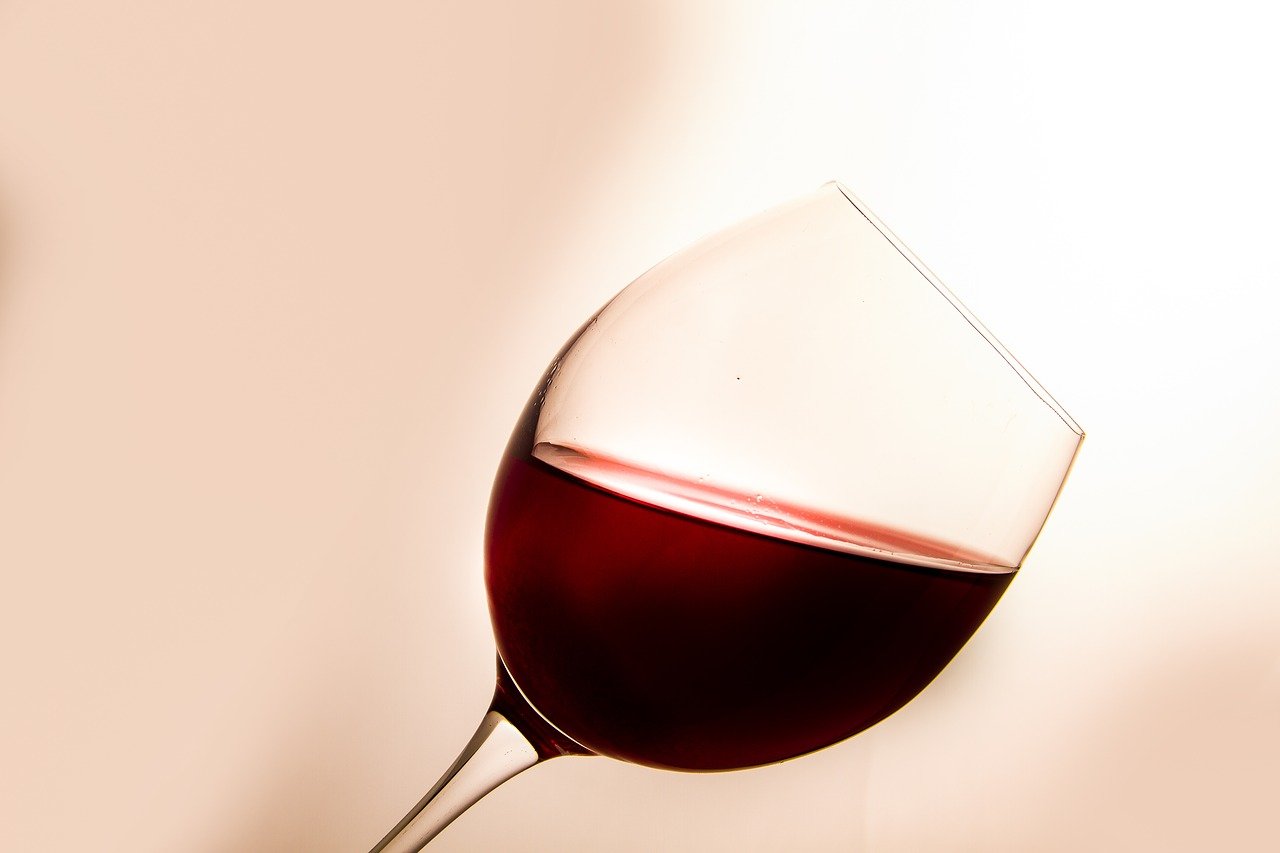
For centuries, red wine has been celebrated for its rich flavors, its deep cultural roots, and its purported health benefits. From the vineyards of Bordeaux to the rolling hills of Tuscany, wine has been intertwined with human rituals, celebrations, and culinary experiences.
But what if you could enjoy all the sensory pleasures of red wine without the alcohol? For many, this is no longer just a hypothetical; it’s a growing reality thanks to innovations in winemaking and a shift in lifestyle choices.
Understanding Alcohol-Free Red Wine
Alcohol-free or low-alcohol wines are crafted to provide the same taste, aroma, and mouthfeel as traditional wines but with minimal or zero alcohol content. Modern techniques allow winemakers to carefully remove alcohol while preserving the wine’s complexity. These beverages are often labeled as “dealcoholized” wines, and they typically contain less than 0.5% alcohol by volume (ABV).
The process of dealcoholization can vary. One common method is vacuum distillation, where the wine is gently heated under reduced pressure so that the alcohol evaporates at a lower temperature than the delicate flavor compounds. Another method, reverse osmosis, involves filtering out alcohol molecules while leaving most aromatic compounds intact. These sophisticated processes ensure that alcohol-free non alcoholic red wine retain their rich tannins, fruity notes, and deep hues.
The Appeal of Alcohol-Free Red Wine
The appeal of alcohol-free red wine extends beyond avoiding intoxication. Many people seek it for health, wellness, or lifestyle reasons. For instance, alcohol can interfere with sleep, contribute to calorie intake, or interact with medications. By choosing alcohol-free red wine, consumers can enjoy a complex beverage without these concerns.
Additionally, social inclusivity is a major benefit. Non-drinkers, designated drivers, pregnant individuals, and those reducing alcohol for religious or personal reasons can now partake in the ritual of wine tasting and dining with elegance. With alcohol-free options, a celebratory toast doesn’t require compromising health or personal choices.
Flavor Profiles and Pairing
A key consideration when savoring alcohol-free red wine is flavor. While alcohol naturally enhances mouthfeel and the perception of sweetness, modern dealcoholized wines are crafted to replicate these sensations. Many exhibit rich berry notes—like blackcurrant, cherry, or plum—alongside hints of spice, chocolate, or oak. Tannins, those compounds that create a pleasant astringency, are also carefully maintained to mimic the structure of traditional wines.
Pairing alcohol-free red wine with food can be just as satisfying as with traditional wines. Lighter alcohol-free reds, such as those inspired by Pinot Noir, complement roasted vegetables, poultry, and mild cheeses. Fuller-bodied options, like those mimicking Cabernet Sauvignon, pair beautifully with grilled meats, hearty stews, and aged cheeses. The key is to approach these pairings with the same attention to balance, acidity, and texture that you would with standard wines.
The Ritual of Wine Without Alcohol
Wine is as much about ritual as it is about flavor. Pouring a glass, swirling it, observing the deep ruby color, inhaling the bouquet, and savoring each sip—these gestures are central to the wine experience. Alcohol-free red wine allows people to fully participate in this ritual.
Serving techniques remain similar: decanting can help enhance aroma, and the right glassware can emphasize flavor nuances. Many enthusiasts report that savoring alcohol-free red wine encourages mindfulness. Without alcohol’s intoxicating effects, each sip can be a moment of focus, reflection, and sensory exploration. In this way, the experience becomes more meditative rather than merely celebratory.
Health Considerations
One of the most compelling reasons for the rise of alcohol-free non alcoholic red wine is their potential health benefits. Red wine, even in small amounts, has long been associated with heart health due to compounds like resveratrol and polyphenols. Interestingly, many of these compounds remain in alcohol-free versions, allowing consumers to enjoy antioxidant benefits without alcohol-related risks.
Caloric intake is another factor. Standard non alcoholic red wine often contain 120–130 calories per 5-ounce serving, mostly from alcohol. Alcohol-free alternatives can reduce calories significantly, making them appealing for those mindful of diet and wellness. Furthermore, people with liver conditions or sensitivities to alcohol can enjoy wine flavors safely.
Emerging Market Trends
The market for non-alcoholic wines is expanding rapidly. According to recent industry reports, global sales of alcohol-free wines are projected to grow significantly over the next decade, reflecting a broader trend toward mindful drinking and wellness-oriented lifestyles. High-end wineries in Spain, Germany, and the United States are producing sophisticated alcohol-free reds that rival traditional wines in complexity.
Retailers and restaurants are increasingly offering dedicated sections for alcohol-free wines, recognizing a growing clientele that values taste and experience without alcohol. Wine festivals and tasting events are also including alcohol-free options, signaling that the trend is moving from niche to mainstream.
Tips for Savoring Alcohol-Free Red Wine
Temperature Matters – Serve lighter alcohol-free reds slightly chilled (55–60°F) and fuller-bodied options at room temperature to maximize flavor.
Swirl and Sniff – Aromas are central to enjoyment; take time to swirl the glass and inhale deeply.
Pair Thoughtfully – Match the wine’s body and flavor profile with food, just as you would with alcoholic wine.
Mind the Pour – A slightly larger pour can enhance the tasting experience since alcohol-free wines may have a lighter mouthfeel.
Experiment and Explore – With new varieties emerging, explore different grapes, regions, and styles to find what delights your palate.
Redefining Social Drinking
Perhaps the most profound impact of alcohol-free red wine is on social drinking culture. Traditional norms often pressure people to consume alcohol to participate in gatherings. With quality alcohol-free options, everyone can join in the conviviality of wine culture without compromising personal choice. It’s a democratization of the wine experience, where enjoyment, flavor, and ceremony are accessible to all.
Moreover, alcohol-free wines can shift perceptions around moderation and wellness. By integrating these beverages into everyday routines or special occasions, individuals can maintain social engagement, enjoy culinary pairings, and support a healthier lifestyle.
Conclusion
Savoring non alcoholic red wine without the alcohol is more than a practical alternative; it’s a sensory, cultural, and wellness-rich experience. Through meticulous winemaking techniques, alcohol-free non alcoholic red wine now offer complex aromas, layered flavors, and satisfying structure reminiscent of traditional wines. They provide a way to enjoy rituals, celebrations, and culinary pairings while prioritizing health and inclusivity.
As the global trend toward mindful drinking grows, alcohol-free non alcoholic red wine are carving out a respected place in wine culture. Whether you are a lifelong wine enthusiast, a curious newcomer, or someone seeking a healthier lifestyle, these wines open a door to the joy of red wine without the compromise of alcohol. Pour a glass, swirl it, inhale deeply, and savor—because the essence of wine lies not in its alcohol, but in its flavor, ritual, and shared experience.
