
Erectile Dysfunction
Erectile dysfunction (ED) is a condition that many men experience at some point in their lives. It refers to the difficulty in achieving or maintaining an erection firm enough for sexual activity. While occasional issues can happen due to stress or fatigue, frequent erectile problems may indicate an underlying health concern.
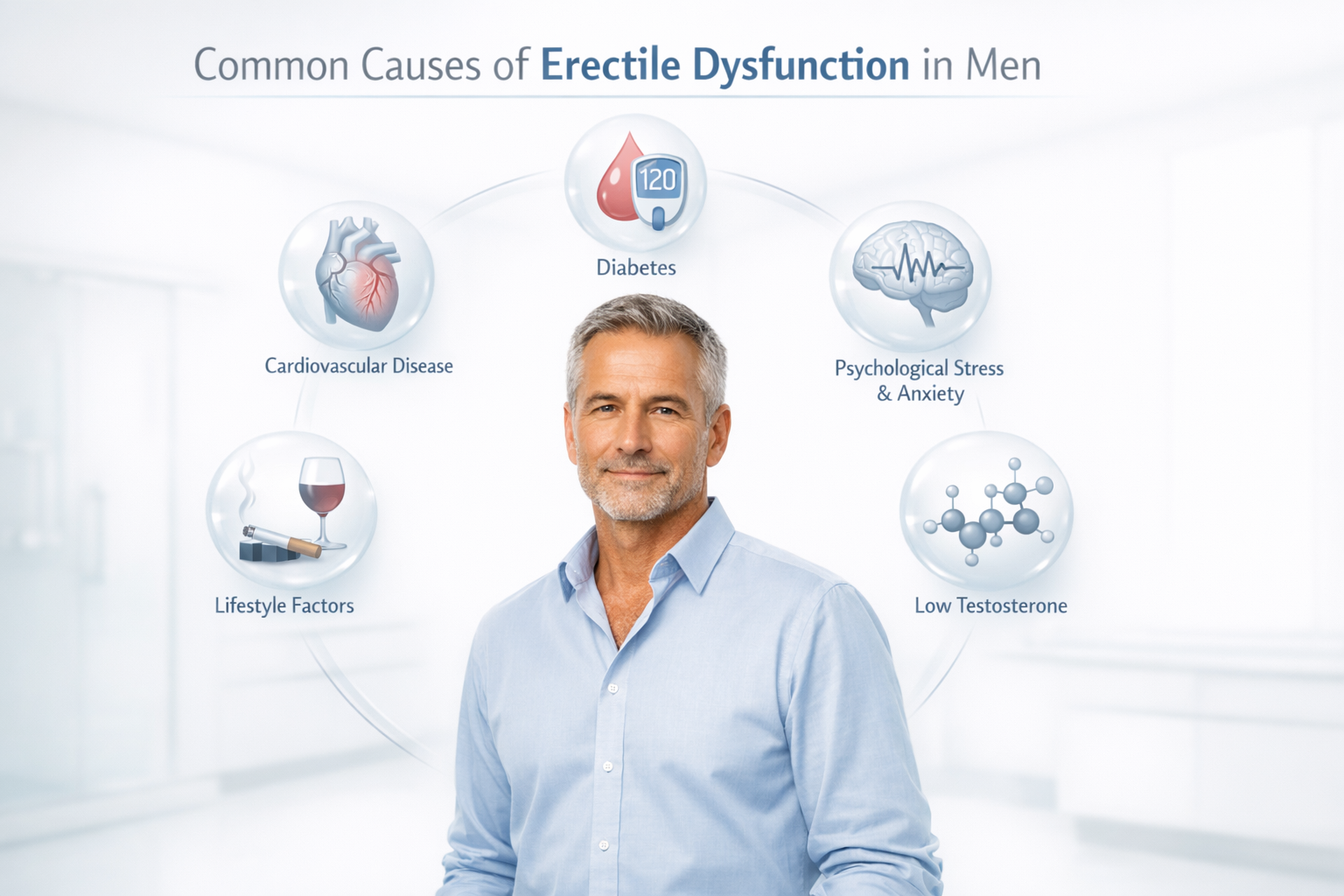
Understanding the causes of erectile dysfunction can help men identify possible risk factors and explore suitable treatment options. In many cases, ED is linked to physical health, mental well‑being, or lifestyle habits.
1. Poor Blood Circulation
One of the most common causes of erectile dysfunction is poor blood flow. Erections depend on healthy circulation that allows blood to fill the penile tissues during sexual stimulation.
Conditions that affect blood vessels can reduce blood flow and make erections more difficult. These conditions may include heart disease, high blood pressure, and other cardiovascular problems.
Medications such as Sildenafil are often prescribed to improve blood flow and support erectile function.
2. Diabetes
Diabetes is another major health condition linked to erectile dysfunction. High blood sugar levels can damage blood vessels and nerves throughout the body, including those involved in erections.
Men with diabetes may experience ED earlier than those without the condition. Proper blood sugar control and medical guidance can help reduce the risk of complications.
3. Hormonal Imbalances
Hormones play an important role in sexual health. Low levels of testosterone may reduce libido and contribute to erectile difficulties.
Hormonal changes may occur due to aging, certain medical conditions, or lifestyle factors. In some cases, hormone therapy may be recommended by healthcare professionals.
4. Stress and Anxiety
Psychological factors can also contribute to erectile dysfunction. Stress, anxiety, and performance pressure can interfere with the signals between the brain and the body that trigger an erection.
Mental health issues such as depression or relationship problems may also affect sexual performance. Managing stress and improving emotional well‑being can sometimes improve erectile function.
5. Smoking and Alcohol Use
Lifestyle habits have a strong influence on sexual health. Smoking can damage blood vessels and reduce circulation, which can increase the risk of erectile dysfunction.
Excessive alcohol consumption may also interfere with nerve signals and hormone levels, making it harder to maintain an erection.
Reducing smoking and limiting alcohol intake may help improve overall sexual health.
6. Obesity and Lack of Physical Activity
Being overweight or physically inactive can contribute to conditions that affect erectile function, such as high blood pressure and diabetes.
Regular exercise improves cardiovascular health and blood circulation, which can support stronger erections.
Maintaining a healthy weight and staying active are important steps in reducing the risk of erectile dysfunction.
7. Certain Medications
Some medications may cause erectile dysfunction as a side effect. These may include drugs used to treat high blood pressure, depression, or anxiety.
Men experiencing ED after starting a new medication should speak with their doctor before making any changes to their treatment.
8. Aging
While erectile dysfunction is not an inevitable part of aging, the risk does increase over time. As men grow older, blood vessels and hormone levels may change, which can affect sexual performance.
However, many older men continue to have satisfying sex lives with proper health management and medical support.
When to Seek Medical Advice
If erectile dysfunction happens frequently or persists over time, it may be helpful to consult a healthcare professional. ED can sometimes be an early sign of underlying health problems that require attention.
A doctor can help identify possible causes and recommend appropriate treatments or lifestyle changes.
Final Thoughts
Erectile dysfunction can result from a variety of factors, including physical health conditions, psychological challenges, and lifestyle habits. Understanding these causes is an important step toward finding effective solutions.
With the right combination of medical guidance, healthy lifestyle choices, and proper treatment options, many men are able to successfully manage erectile dysfunction and improve their overall quality of life.
