

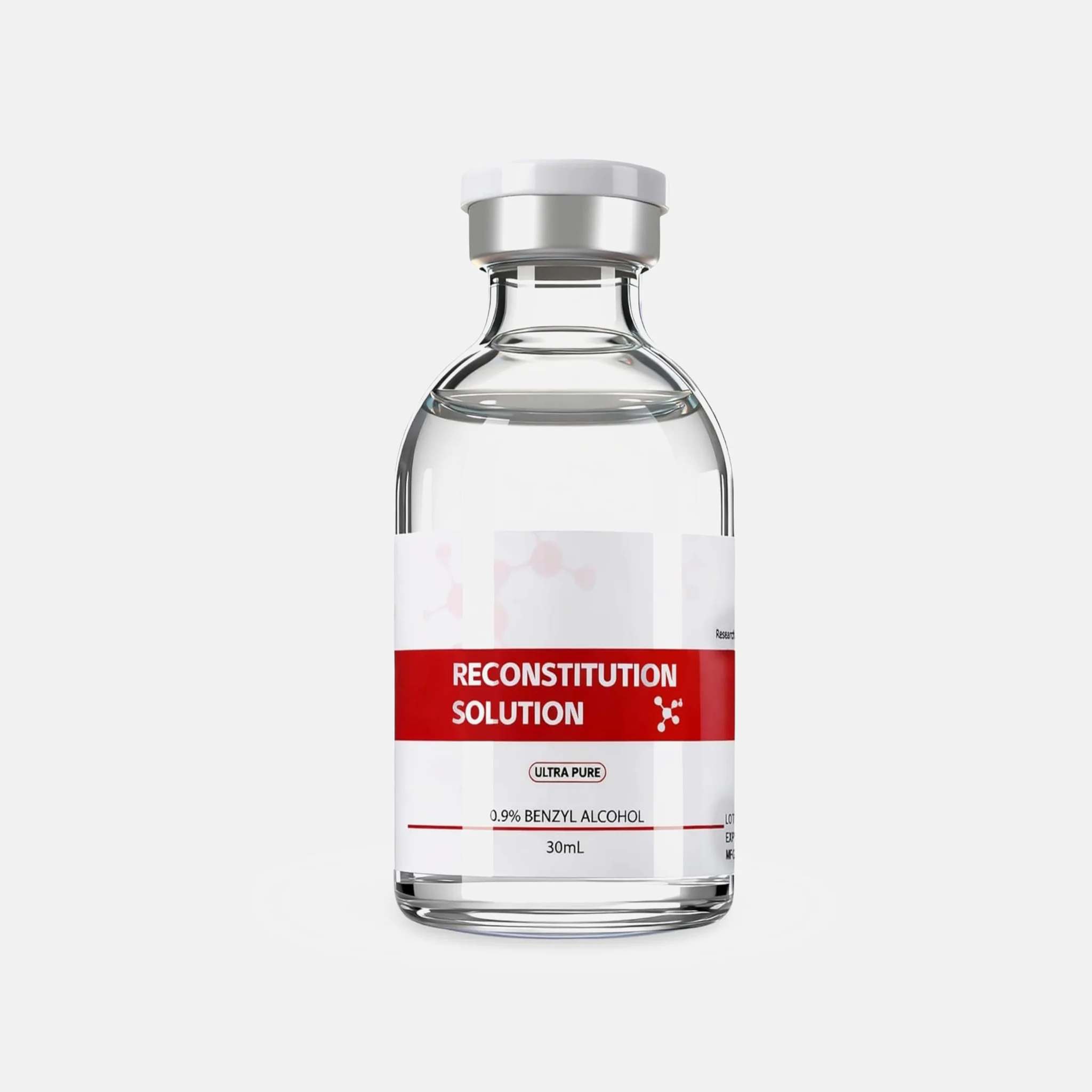
Even minor contamination in a research lab can compromise months of peptide experiments. Bacteriostatic water is a core component in peptide research. Laboratories using bacteriostatic water in Canada rely on its sterile formulation to dissolve lyophilized compounds safely.
Handling errors or environmental exposure can introduce microbes, altering experimental outcomes. Ensuring sterile technique and careful storage maintains the integrity of peptide reconstitution. Researchers must combine proper lab practices with supplier-verified quality to reduce variability and protect sensitive assays across preclinical studies.
Understanding Bacteriostatic Water Properties
Bacteriostatic water contains a preservative that inhibits microbial growth, making it ideal for multi-dose peptide handling. Lyophilized peptides dissolve readily in this water while maintaining structural stability. The water’s sterile quality ensures that downstream assays remain reliable. Laboratories should monitor expiration dates and confirm COA documentation.
For example, checking batch verification before use reduces the risk of using degraded solutions. A proper understanding of water properties forms the foundation for contamination prevention in research workflows.
Sterile Techniques During Reconstitution
Maintaining sterility during peptide reconstitution prevents microbial contamination. Work areas should be disinfected and free from airflow disruption. Use sterile syringes, needles, and vials when handling bacteriostatic water for peptide reconstitution in Canada.
Avoid touching vial openings or internal surfaces. For example, gently swirl the solution instead of vortexing to prevent air bubbles and agitation. Consistent application of aseptic technique ensures that the peptide solution remains pure for precise experimental use.
Aliquoting and Storage Practices
Dividing peptide solutions into small aliquots reduces repeated exposure to air and potential contaminants. Seal aliquots tightly and store them under controlled refrigeration conditions.
Label vials with preparation dates and concentrations for clarity. Lyophilized peptides reconstituted in bacteriostatic water maintain stability longer when stored correctly.
Regularly checking temperature logs and ensuring vials remain upright reduces accidental leaks or contamination. Proper storage and handling extend usability while preserving experimental reliability.
Equipment and Lab Environment
The surrounding environment plays a critical role in contamination control. Laminar flow hoods or clean benches reduce particulate introduction during reconstitution. Lab equipment such as pipettes and syringes should be sterilized regularly.
For example, using disposable sterile tips and wiping surfaces with 70% ethanol minimizes microbial presence. Structured laboratory practices and routine environmental checks provide additional safety layers, supporting consistent peptide handling and data reproducibility.
Cross-Contamination Prevention
Preventing cross-contamination requires more than just careful handling; it demands structured workflows and disciplined laboratory practices. Different peptide batches and chemical reagents should never share workspaces or tools.
Dedicated pipettes, syringes, and vial racks reduce the risk of accidental transfer between experiments. Reusing consumables across multiple studies can introduce microbes or chemical residues, undermining data integrity. Color-coded labeling or separate storage compartments for each peptide simplifies identification during multi-peptide protocols.
Always cap vials immediately after use and never return leftover solution to the original container. Consistent separation of workflows maintains reproducibility and protects experimental accuracy across preclinical studies.
Monitoring Water Integrity
Regularly inspecting bacteriostatic water ensures peptide solutions remain sterile and effective. Before use, examine vials for particulate matter, unusual discoloration, or unexpected odors, as any deviation may indicate contamination.
Keep detailed logs recording batch numbers, preparation dates, and expiration information. Track opened and reconstituted solutions to prevent accidental use of compromised water.
Monitoring water integrity is critical for preclinical research, as peptides dissolved in contaminated or degraded solutions can produce inconsistent or unreliable assay results. Careful observation and documentation maintain the quality of research-grade reagents and support credible, repeatable experimental outcomes.
Disposal and Waste Management
Proper disposal prevents contamination from spreading in the laboratory. Expired or unused bacteriostatic water should be disposed of according to institutional biohazard protocols. Syringes, needles, and vials must be placed in designated sharps or chemical waste containers.
Routine disposal practices reduce environmental contamination risks. Clear labeling and adherence to local regulatory standards reinforce safety and laboratory compliance.
Training and Standard Operating Procedures
Staff training is essential for consistent aseptic technique. Standard operating procedures (SOPs) for handling bacteriostatic water and peptide reconstitution should be accessible and followed precisely. Periodic refresher training ensures that new team members maintain laboratory hygiene.
SOPs should cover disinfection, aliquoting, storage, and waste management. Structured training minimizes human error and promotes safe, repeatable laboratory practices.
Integration Into Experimental Protocols
Incorporating bacteriostatic water safely enhances reproducibility in preclinical research. Track all reconstitution details, including batch numbers, preparation dates, and storage conditions.
Documenting these steps ensures experiments can be repeated accurately. Consistent protocol application allows researchers to compare results confidently across multiple trials.
Proper integration of sterile handling practices strengthens overall experimental reliability and supports high-quality research data.
Quality Verification Before Use
Before reconstituting any peptide, laboratories should verify the quality of bacteriostatic water in Canada. Check the Certificate of Analysis to confirm sterility, preservative concentration, and batch integrity. Inspect the vial for particulate matter, discoloration, or leaks. Recording the batch number and expiration date ensures traceability during experiments.
For example, documenting these details allows researchers to link any unexpected results back to the reagent quality. Consistent verification of water quality reduces the risk of contamination and supports reliable, reproducible outcomes in preclinical peptide studies.
Strengthen Lab Reliability with Sterile Practices
Maintaining sterility in peptide research begins with careful handling of bacteriostatic water for peptide reconstitution in Canada. Following structured SOPs, proper storage, and careful aliquoting prevents contamination and preserves peptide integrity. Reliable documentation and consistent aseptic techniques support reproducible experiments and protect preclinical data.
Laboratories that prioritize sterile practices reduce errors, maintain consistent results, and strengthen research credibility. Consistent use of high-quality bacteriostatic water today safeguards the success of tomorrow’s peptide studies.
