
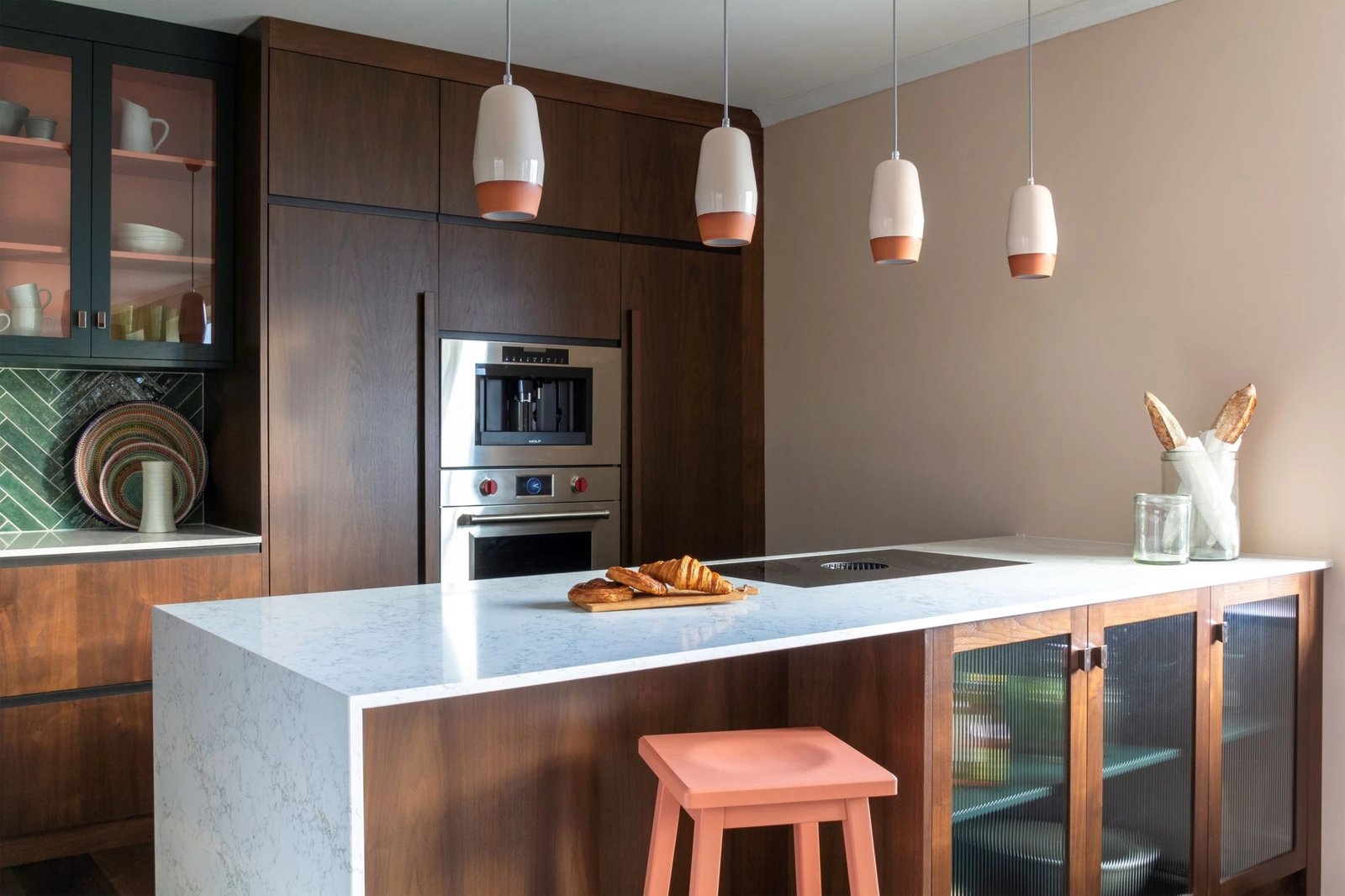
Kitchen islands custom designed to fit your space can transform a kitchen into a highly functional area. A well-planned island accommodates cooking, storage, seating, and prep areas in a single structure. Space constraints, appliance locations, and family usage patterns influence how practical an island can be. Selecting the right combination of size, storage, seating, surfaces, and layout ensures daily tasks are smoother and more organized. Every detail, from drawer placement to countertop material, contributes to usability, making the kitchen a hub of efficiency and style without sacrificing aesthetics.
Size and Proportion: Building the Right Foundation
Choosing the correct size and proportion is crucial for an island to remain practical. Clearance between cabinets, appliances, and walkways should allow movement without obstruction, and the island should complement the room’s overall dimensions. Oversized islands can dominate a space, while undersized units fail to provide storage or work surfaces needed for meal preparation. Planning dimensions according to workflow ensures an open, organized environment that supports multiple users simultaneously while maintaining visual balance with existing cabinetry.
Smart Storage Features That Increase Everyday Efficiency
• Deep drawers for pots and pans
• Pull-out spice racks and tray dividers
• Built-in trash and recycling compartments
• Vertical storage for baking sheets
• Hidden outlets inside drawers
• Corner-access storage solutions
Integrating these storage solutions allows easy access to kitchen tools, reduces countertop clutter, and ensures essential items are within reach. Thoughtful placement of drawers and compartments improves efficiency during cooking and cleanup, helping maintain a streamlined workflow. Customizable inserts and pull-out organizers further enhance storage without sacrificing space.
Seating Design That Supports Comfort and Function
Seating at the island should combine comfort and practicality. A countertop overhang of 10 to 12 inches provides adequate legroom, and spacing between stools ensures diners can sit without crowding. The height of seating should match counter height, whether bar-style or standard, to create an inviting area for family meals, homework, or casual conversations. Properly positioned seating also maintains traffic flow and prevents obstruction during cooking, supporting multi-functional use without interfering with kitchen work zones.
Work Zones That Improve Meal Preparation
Designing the island with clearly defined work zones enhances meal preparation. Integrating a prep sink near the cooking area or dishwasher reduces movement between tasks, while positioning appliances like cooktops or built-in ovens requires careful planning to avoid congestion. Generous countertop space adjacent to the refrigerator and storage zones allows easy staging of ingredients and tools. Well-organized work zones streamline tasks and minimize unnecessary steps, making daily cooking more efficient and enjoyable.
Surface Materials That Balance Durability and Maintenance
• Quartz for low maintenance durability
• Granite for natural strength
• Butcher block for dedicated prep areas
• Marble for visual appeal with maintenance considerations
• Stainless steel for professional-style kitchens
• Waterfall edges for structural and visual continuity
Selecting the right countertop material ensures the island can withstand daily use while maintaining visual appeal. Durable surfaces resist scratches, heat, and stains, while specific areas like butcher block or stainless steel can be allocated for active prep tasks. Material choice affects cleaning routines and longevity, allowing homeowners to match aesthetics with functionality.
Electrical and Plumbing Integration for Daily Convenience
Outlets and plumbing must be integrated seamlessly into the island for practical daily use. Pop-up outlets, USB ports, and strategically located plugs keep devices charged and appliances accessible without cluttering surfaces. Plumbing considerations for prep sinks or beverage stations ensure proper drainage and minimal interference with storage. Planning these utilities in advance prevents costly adjustments later and keeps workflow uninterrupted.
Lighting Design That Improves Visibility and Atmosphere
Proper lighting improves both functionality and ambiance. Task lighting focused on prep zones, such as pendant lights over the countertop, allows clear visibility during meal preparation. Layered ambient lighting ensures the kitchen remains well-lit for multiple activities. Spacing and height of fixtures should align with island dimensions, while dimmers provide control over brightness for different occasions, balancing practicality with mood.
Multi-Functional Additions That Increase Practical Value
Additional features make an island more versatile. Built-in microwave drawers, warming drawers, beverage coolers, or appliance garages conceal devices while keeping them accessible. Display shelves or open cubbies add a decorative yet functional touch. Each feature should be incorporated to support daily kitchen activities without interfering with workspace, allowing the island to serve multiple purposes efficiently.
Traffic Flow and Placement Strategy Within the Kitchen Layout
The island must complement the kitchen layout to prevent congestion. Positioning relative to sinks, stoves, and refrigerators maintains a smooth workflow, while open-concept kitchens benefit from unobstructed movement around the island. Door swings, appliance clearance, and walking paths should be considered to avoid collisions and maintain a safe environment. Proper placement enhances accessibility and ensures the island supports rather than hinders kitchen operations.
Customization and Long-Term Flexibility
Customizable islands allow adjustments for evolving needs. Adjustable shelving, modular panels, and space for future appliances provide long-term value. Planning for family growth or lifestyle changes ensures the island remains practical over time. Flexibility also enhances resale value, as adaptable design accommodates diverse buyer preferences while maintaining functionality for daily use.
Conclusion
Practical kitchen islands combine design, function, and adaptability. Thoughtful attention to size, storage, seating, work zones, surfaces, lighting, and customization ensures the island supports daily cooking, dining, and social activities. Planning with real usage in mind results in a space that is both efficient and visually appealing, making the kitchen a hub of organization, comfort, and productivity. A well-designed island becomes an essential feature rather than a decorative addition, improving every aspect of kitchen usability.
FAQs
What storage options make a kitchen island most practical?
Deep drawers, pull-out racks, vertical baking sheet storage, built-in trash, and hidden outlets maximize space efficiency.
How can seating be optimized on a kitchen island?
Ensure overhangs of 10–12 inches, adequate spacing between stools, and counter height matching for comfort and smooth traffic flow.
Which countertop materials are best for durability and maintenance?
Quartz, granite, butcher block, marble, and stainless steel offer a balance of strength, functionality, and aesthetics.
What features increase long-term functionality of a kitchen island?
Adjustable shelving, modular panels, appliance-ready spaces, and multi-functional drawers or storage compartments allow flexibility as needs change.
