
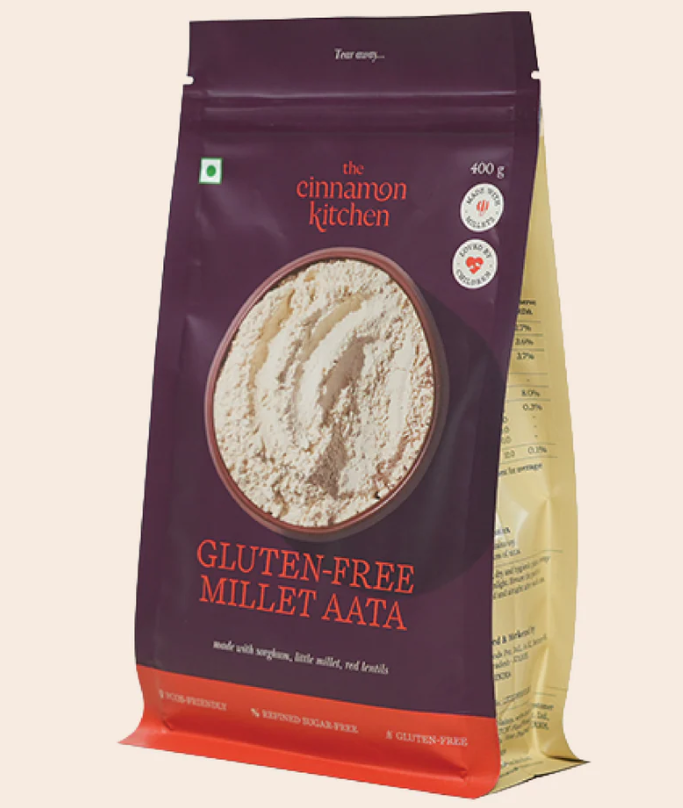
Choosing between Gluten Free Atta and household Wheat atta is no longer a medical necessity for people with celiac disease. It has become a lifestyle choice for people who aim to have a better digestive system and higher energy levels. While wheat has been the backbone of Indian food for centuries, the rise of modern grain processing has led many to question if their everyday chapati is the cause for sluggishness after every meal.
Here is a comparison which will help you decide which should be in your kitchen.
Digestibility: The Heavy vs. The Light
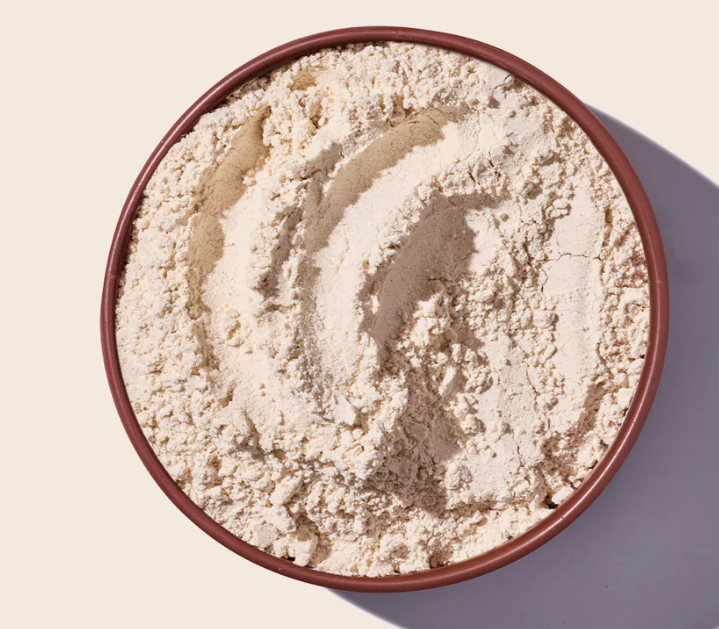
The main difference between the two is the way your digestive system digests them. Wheat contains gluten, which is a complex protein found in the dough. This is what gives the dough its elasticity. While it is what makes the rotis so fluffy, gluten is difficult for many people to digest. For those who have non-celiac gluten sensitivity, wheat can cause leaky gut, bloating, and inflammation.
On the other hand, Gluten Free Atta is made from a mix of millets like Jowar, Bajra, Ragi, amaranth, and brown rice. These are much easier on the digestive system. The absence of the gluten protein means these do not stay back in the digestive system, which often results in the elimination of bloating and acidity.
Nutritional Profile: Single Grain vs. Superfood Blends
Traditionally, wheat atta is rich in B vitamins, magnesium, and iron. But the modern sharbati wheat, or the commercial variety, is highly hybridized and, in some cases, over-refined, losing its essential fiber content in the process.
Gluten Free Atta can be said to have the edge in the nutritional race, as it is multigrain by definition. A high-quality blend of Gluten Free Atta can offer:
Higher Fiber:
Ragi and Jowar have high dietary fiber content, which is beneficial for bowel regularity.
Mineral Richness:
Amaranth and Millets have high calcium and zinc content compared to modern wheat varieties.
Lower Glycemic Index (GI):
The majority of gluten-free grains have a lower GI, as they release sugars more gradually into the bloodstream.
Taste and Texture: The Learning Curve
And this is where wheat has a home-court advantage. We are accustomed to loving the nutty, sweet scent of a wheat roti served hot, and the soft, pliable texture of a wheat roti.
The taste of gluten-free rotis has a strong, earthy taste profile, although these rotis are designed to be soft and not crumbly, like wheat rotis, thanks to the quality of the ingredients in premium products, such as those found in Cinnamon Kitchen. Many people have found that once they get accustomed to the earthy taste of millets, wheat rotis taste “plain” or heavy.
Which One Should You Choose?
If you feel energetic, light, and healthy after a wheat-based food, then whole wheat or ancient Khapli wheat might be your best option.
But, if you notice:
Frequent bouts of bloating or food comas after your lunch.
Mysterious skin problems or joint aches.
The need for a more varied nutrient profile.
Then, making the switch to a nutrient-rich Gluten Free Atta might be a game-changer for you. It is not just about cutting out wheat; it is about adding in a variety of nutrients with ancient Indian super grains.
Conclusion
The process of transitioning doesn’t have to be an all-or-nothing affair. Begin by replacing one meal a day with gluten-free rotis. Your digestive system would soon indicate which one it prefers. For those who are ready to make the transition, look into the curated blends offered by Cinnamon Kitchen so your health journey doesn’t have to come at the expense of taste.
