
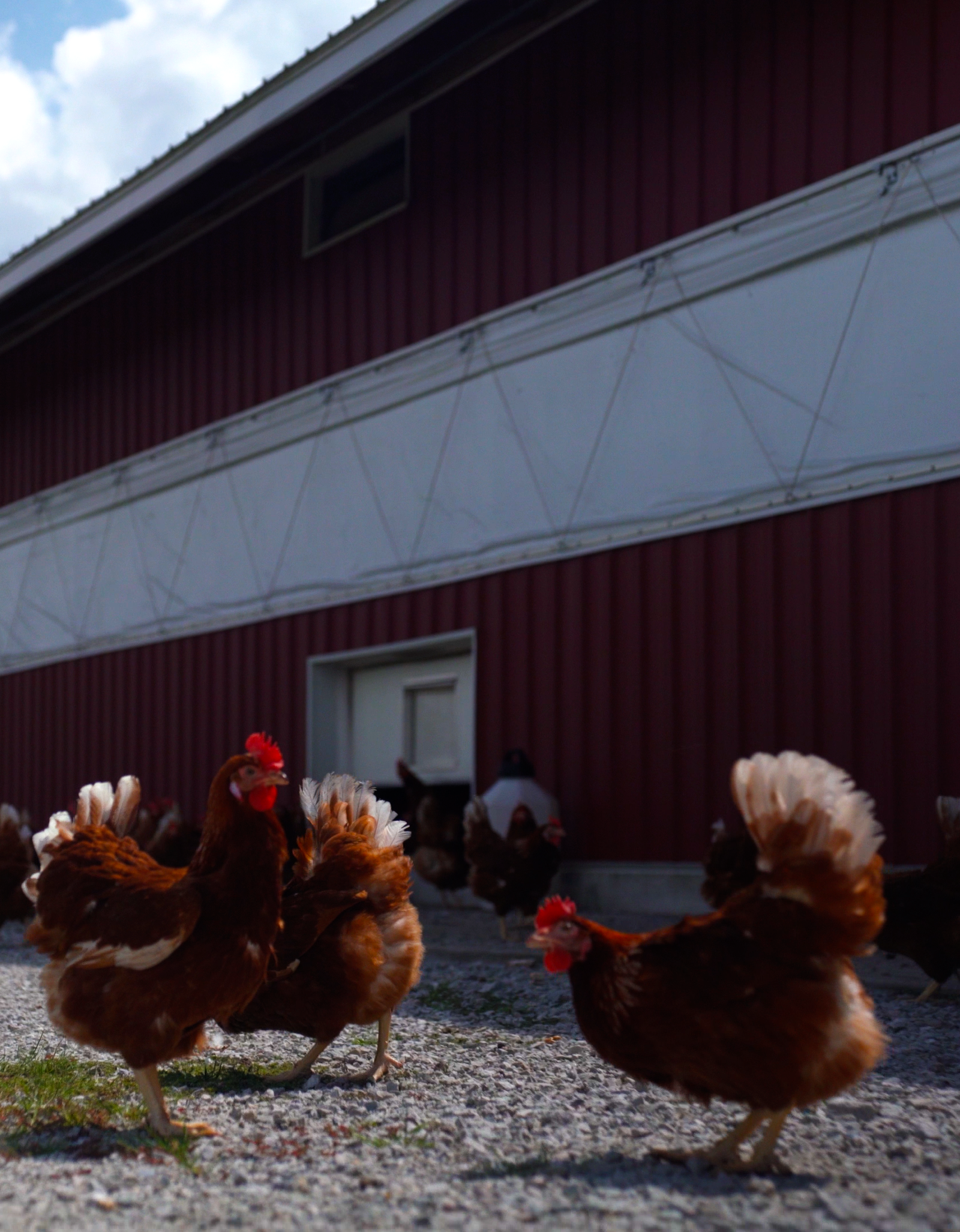
Poultry farming is one of the fastest-growing sectors in agriculture, providing eggs and meat that are essential to global food supply. At the center of successful poultry production are well-designed poultry houses, which provide birds with a safe, controlled, and productive environment.
Modern poultry farming depends heavily on proper housing systems that ensure animal health, maximize productivity, and reduce losses. A well-built poultry house improves growth rates, egg production, and overall farm efficiency while protecting birds from predators, diseases, and extreme weather conditions.
What Are Poultry Houses?
Poultry houses are specially designed structures used to raise chickens, ducks, turkeys, or other birds in a controlled environment. These buildings are designed to regulate temperature, ventilation, lighting, and hygiene to ensure optimal bird health and productivity.
Using modern poultry farming structures allows farmers to manage large flocks efficiently while maintaining high production standards.
Types of Poultry Houses
There are several types of poultry housing systems, each designed for specific farming needs.
Deep Litter System
Birds are kept on a floor covered with bedding materials such as sawdust or straw.
Cage System
Birds are housed in cages, commonly used in egg production farms.
Free-Range System
Birds have access to outdoor areas, allowing natural movement and behavior.
Slatted Floor System
Uses raised floors with gaps for waste to fall through, improving hygiene.
Environmentally Controlled Houses
Fully automated systems that regulate temperature, lighting, and ventilation.
These systems are part of advanced poultry farming methods.
Key Features of Modern Poultry Houses
Modern poultry houses are designed with efficiency and animal welfare in mind.
Ventilation Systems
Ensure fresh air circulation and remove harmful gases.
Temperature Control
Maintains optimal conditions for bird growth.
Lighting Systems
Regulates egg production and feeding cycles.
Feeding and Watering Systems
Automated systems ensure consistent access to food and water.
Waste Management Systems
Help maintain cleanliness and reduce disease risks.
These features improve commercial poultry production efficiency.
Benefits of Poultry Houses
Proper poultry housing offers numerous advantages for farmers.
Improved Bird Health
Reduces disease spread and mortality rates.
Higher Productivity
Enhances egg and meat production.
Better Biosecurity
Protects birds from predators and infections.
Efficient Management
Simplifies feeding, monitoring, and cleaning.
Climate Protection
Shields birds from extreme weather conditions.
These benefits support sustainable poultry farming systems.
Design Considerations for Poultry Houses
A well-designed poultry house is essential for success.
Location Selection
Should be away from residential areas and have good drainage.
Space Requirements
Adequate space prevents overcrowding and stress.
Orientation
Proper positioning improves airflow and temperature control.
Material Selection
Durable materials ensure long-lasting structures.
Accessibility
Easy access for feeding, cleaning, and monitoring.
These factors ensure effective poultry house design planning.
Ventilation and Climate Control
Ventilation is one of the most important aspects of poultry housing.
Natural Ventilation
Uses windows and openings for airflow.
Mechanical Ventilation
Uses fans and systems to regulate air movement.
Cooling Systems
Help maintain temperature during hot weather.
Heating Systems
Provide warmth during cold conditions.
Proper climate control supports optimal poultry living conditions.
Feeding and Watering Systems
Efficient feeding systems are essential for poultry growth.
Manual Feeding Systems
Traditional feeding methods used in small farms.
Automated Feeders
Deliver feed consistently and reduce waste.
Nipple Drinking Systems
Provide clean and controlled water supply.
Water Tanks and Lines
Ensure continuous water availability.
These systems improve poultry nutrition management.
Disease Prevention and Biosecurity
Biosecurity is critical in poultry farming.
Sanitation Practices
Regular cleaning and disinfection of housing areas.
Restricted Access
Limiting entry to prevent contamination.
Vaccination Programs
Protect birds from common diseases.
Quarantine Measures
Isolate new or sick birds.
These practices ensure healthy poultry production systems.
Types of Poultry Raised in Houses
Different birds require different housing conditions.
Broiler Chickens
Raised for meat production.
Layer Chickens
Raised for egg production.
Turkeys
Require larger spaces and specific care.
Ducks
Need water access and specialized environments.
Quail
Small birds raised in compact housing systems.
These categories define commercial poultry farming types.
Maintenance of Poultry Houses
Proper maintenance ensures long-term success.
- Regular cleaning and disinfection
- Repairing damaged structures
- Checking ventilation systems
- Managing waste properly
- Monitoring temperature and humidity
These practices ensure efficient farm maintenance systems.
Technology in Poultry Houses
Modern poultry farming uses advanced technology.
Automated Monitoring Systems
Track temperature, humidity, and bird health.
Smart Feeding Systems
Adjust feed based on bird needs.
Climate Sensors
Maintain optimal environmental conditions.
Data Analytics
Helps farmers improve productivity.
These innovations support smart poultry farming technology.
Challenges in Poultry Farming
Despite its benefits, poultry farming faces challenges.
Disease Outbreaks
Can spread quickly in large flocks.
High Initial Costs
Building modern poultry houses requires investment.
Feed Costs
Feed represents a major expense.
Environmental Conditions
Extreme weather can affect production.
Understanding these challenges helps improve poultry farm management.
Environmental Impact of Poultry Houses
Sustainable farming practices are becoming more important.
Waste Management
Proper disposal reduces pollution.
Energy Efficiency
Modern systems reduce energy consumption.
Reduced Emissions
Better ventilation reduces harmful gases.
Recycling Practices
Using waste as fertilizer supports sustainability.
These practices promote eco-friendly poultry farming.
Future of Poultry Houses
The future of poultry farming is driven by innovation.
Fully Automated Farms
Minimal human intervention required.
Smart Monitoring Systems
Real-time data tracking of bird health.
Sustainable Materials
Eco-friendly construction materials.
Increased Efficiency
Higher production with lower resource use.
These trends define the future of modern poultry production systems.
Conclusion
Poultry houses are the foundation of successful poultry farming. They provide a controlled environment that supports bird health, improves productivity, and ensures efficient farm management.
By using well-designed poultry houses, farmers can increase egg and meat production while reducing risks and improving overall efficiency. With advancements in technology and sustainable practices, modern poultry housing is becoming smarter, cleaner, and more productive than ever before.
As global demand for poultry products continues to grow, well-structured poultry houses will remain essential for meeting food supply needs and supporting profitable, sustainable farming operations.
