
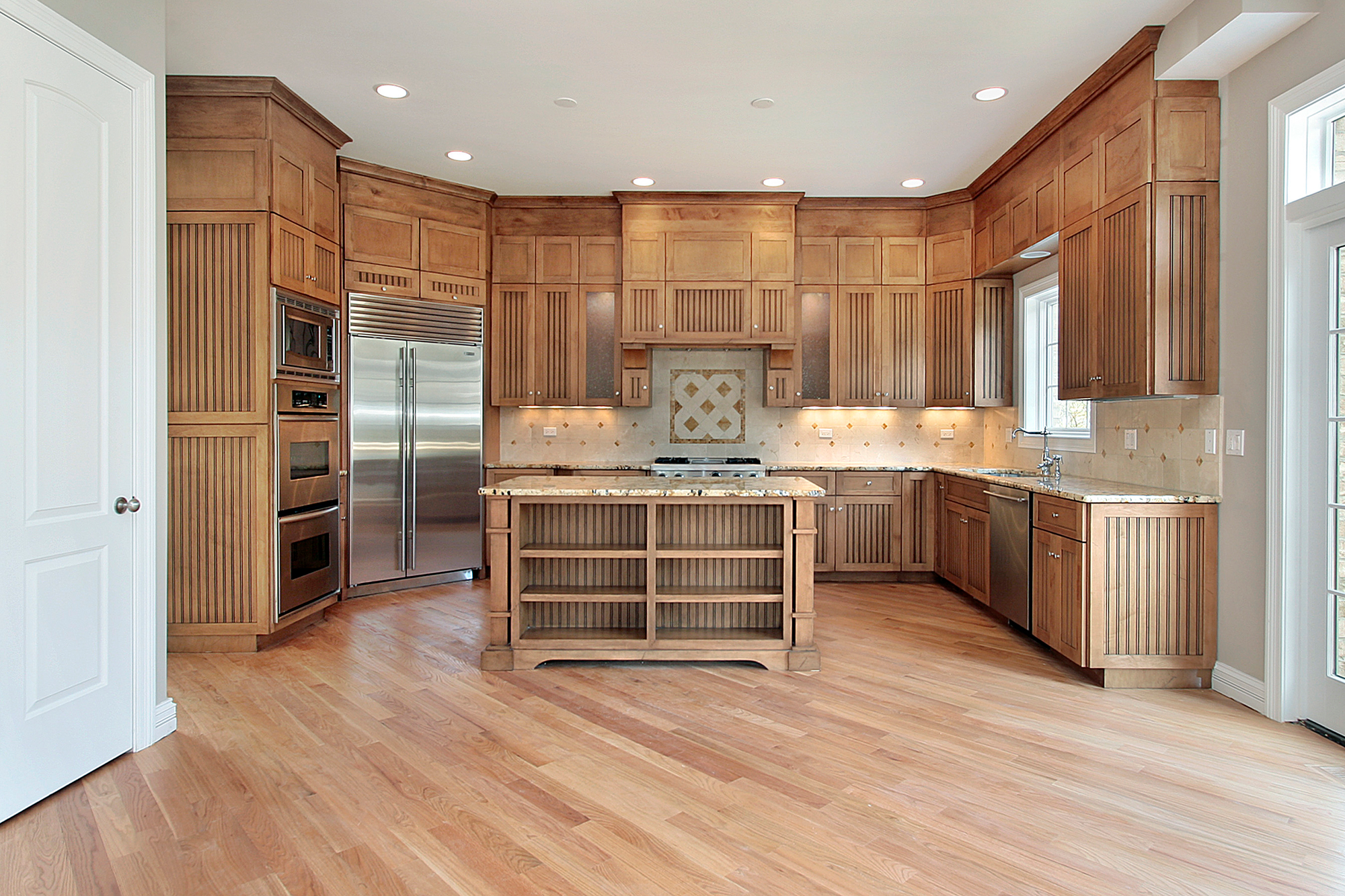
Kitchen layout plays a major role in daily home activities. Cooking, cleaning, storage, and movement depend on how space is arranged. A well-structured layout improves comfort and reduces clutter during routine tasks. Many homeowners face difficulty while planning kitchen space due to limited area or oversized rooms that feel unbalanced. Professional kitchen remodelers in Newark, CA often assist in building practical layouts that match household needs. Different layout ideas help improve workflow, storage use, and visual balance. A proper plan supports smooth kitchen activity and better use of available space.
Importance of Kitchen Layout Planning
Kitchen layout controls how efficiently tasks are completed inside the cooking area. Sink placement, stove position, and refrigerator location shape movement flow. Poor arrangement leads to unnecessary steps, wasted time, and reduced comfort. A structured plan keeps working zones close enough for smooth use without crowding. Proper spacing between counters and appliances helps maintain safety during cooking activities. Storage access also depends on layout design, which affects organization and cleanliness. Both compact and spacious kitchens benefit from a thoughtful arrangement that supports daily kitchen tasks.
Small Kitchen Layout Ideas
Small kitchens require careful space usage to maintain functionality. Every corner must support storage or cooking activity without creating congestion. Wall-mounted shelves help keep counters clear. Compact appliances help maintain movement space while supporting daily cooking needs. Light colors on walls and cabinets help reduce visual heaviness. Proper lighting improves visibility during preparation tasks. Clear counter surfaces reduce clutter and improve working comfort. A structured arrangement helps small kitchens perform efficiently without feeling restricted or uncomfortable during use.
Best Layout Options for Small Kitchens
- Galley layout: Parallel counters that support direct movement between work zones
- L-shaped layout: Corner-based arrangement that improves counter accessibility
- Single-wall layout: Straight-line setup for compact spaces with limited width
- U-shaped compact layout: Three-sided arrangement that supports storage and work balance
- Open shelf setup: Wall-based storage that reduces cabinet bulk and improves access
Storage Solutions for Small Kitchens
Storage plays a major role in small kitchen performance. Cabinets extending to ceiling height help use vertical space effectively. Pull-out drawers support organized storage of utensils and cookware. Corner units help reduce wasted space in hard-to-reach areas. Hanging racks support daily-use items within easy reach. Clear containers help maintain visibility of stored goods. Organized storage reduces clutter on counters and improves cooking speed. Proper arrangement of storage areas supports better use of limited kitchen space while keeping items accessible.
Large Kitchen Layout Ideas
Large kitchens provide wide space but require a proper structure for balance. Without planning, open areas may feel unused or scattered. Zoned layouts help divide cooking, cleaning, and preparation areas. Kitchen islands often act as central work stations, offering extra counter space and seating. Long counters support multiple users working at once. Pantry units help manage bulk storage without affecting main work zones. Proper spacing between areas supports movement without interference. A structured layout keeps large kitchens practical and visually balanced.
Functional Zones in Large Kitchens
Dividing large kitchens into functional zones improves usability. The cooking zone holds the stove, oven, and preparation counters. The cleaning zone contains a sink, dishwasher, and waste disposal area. The storage zone manages dry goods, utensils, and cookware. The preparation zone provides extra counter space for chopping and mixing tasks. The dining zone supports seating and food serving activities. Clear separation of these zones reduces confusion during cooking activities. Each zone works independently while maintaining a connection with other areas, improving overall kitchen performance and comfort during use.
Common Kitchen Design Mistakes
Poor kitchen planning often leads to long-term inconvenience. Incorrect spacing between sink, stove, and refrigerator affects the flow. Overloaded cabinets reduce available working space and create clutter. Weak lighting affects visibility during food preparation tasks. Large appliances in compact kitchens reduce mobility and efficiency. Empty zones in large kitchens reduce functional value and create imbalance. Lack of storage planning leads to scattered items and reduced organization. Proper arrangement of elements supports smooth workflow and better kitchen performance across all space sizes.
Material and Layout Balance
Material usage affects both the appearance and the durability of the kitchen layout. Durable surfaces support heavy daily use without damage. Countertop material must handle heat, moisture, and impact. Cabinet finishes should support easy cleaning and long-term strength. Flooring must support safety during movement and cooking activities. Proper material balance supports both function and appearance. Matching materials with the layout structure improves overall kitchen stability. Balanced design improves long-term performance and reduces maintenance needs while maintaining practical working conditions inside the kitchen space.
Lighting and Ventilation Planning
Lighting supports visibility and safety in kitchen areas. Task lighting over counters improves food preparation accuracy. Ceiling lights support general brightness across the space. Under-cabinet lighting helps reduce shadows during cooking activities. Ventilation supports air circulation and removes cooking odors. Proper exhaust placement reduces heat buildup inside the kitchen. Window placement supports natural airflow and brightness. Balanced lighting and ventilation improve comfort during long cooking sessions. Good air circulation keeps the kitchen fresh and supports a healthy cooking environment.
Tips from Kitchen Designers
Professional kitchen designers focus on the practical use of space. Layout planning starts with the measurement of the available area and the movement flow. Appliance placement depends on daily usage habits inside the kitchen. Storage systems are arranged based on frequency of use. Counter space is planned for food preparation and cooking activities. Flexible design allows future adjustments without major structural changes. Balanced spacing between work zones supports smooth movement. Professional planning helps maintain efficiency, comfort, and long-term usability across all kitchen sizes.
Cost Planning for Kitchen Layouts
Kitchen layout planning affects overall renovation cost. Small kitchens require budget-friendly materials and compact appliances. Large kitchens involve a higher cost due to extended space and additional storage units. Labor cost depends on design complexity and installation requirements. Material quality influences long-term maintenance expenses. Proper planning reduces unnecessary spending during renovation. Clear layout decisions help avoid repeated modifications. Budget distribution between storage, appliances, and finishing materials supports balanced cost control during the kitchen construction or remodeling process.
Conclusion
Kitchen layout plays a central role in home functionality. Proper arrangement of work zones improves cooking flow, storage use, and movement comfort. Small kitchens benefit from compact and organized layouts that maximize limited space. Large kitchens require structured zoning to avoid unused areas and maintain balance. Planning helps reduce design mistakes and improves long-term performance. A well-structured kitchen supports daily household activity with better organization, safety, and usability across all space types.
FAQs
What layout works best for small kitchens?
Galley and L-shaped layouts support compact spaces with efficient movement and storage use.
How does kitchen layout affect daily cooking?
Proper layout reduces unnecessary movement and keeps work zones closer for faster cooking tasks.
What helps improve storage in small kitchens?
Vertical cabinets, pull-out drawers, and wall-mounted shelves improve storage efficiency.
Why do large kitchens need zoning?
Zoning keeps cooking, cleaning, and storage areas separate for better organization and flow.
What mistakes affect kitchen layout performance?
Poor spacing, weak lighting, oversized appliances, and a lack of storage planning reduce efficiency.
