
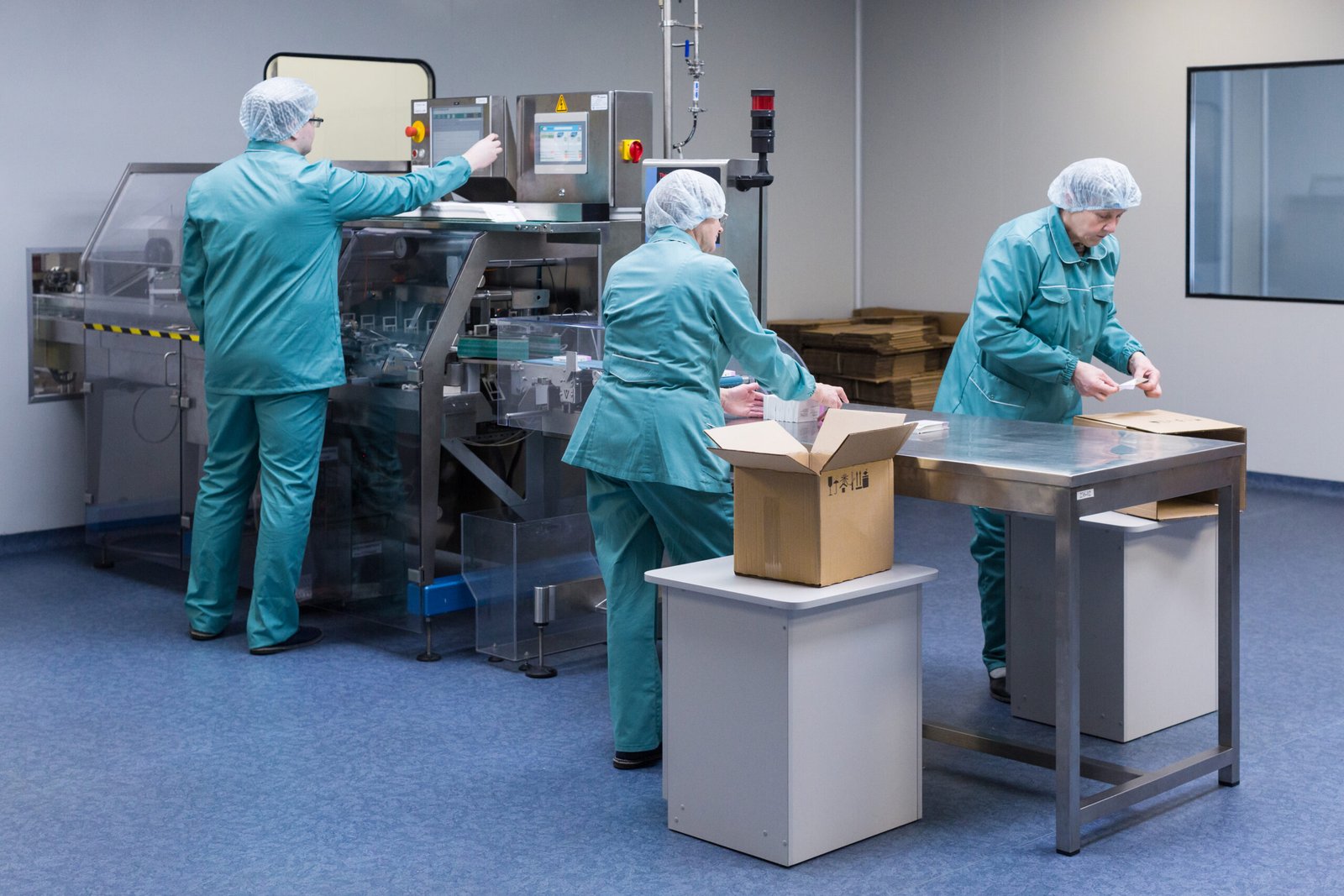
The pharmaceutical industry operates under strict quality and safety expectations because the products it develops directly affect human health. Every medicine, vaccine, or biological therapy must meet rigorous standards before reaching patients. One of the most important systems ensuring this level of quality is Current Good Manufacturing Practice. These guidelines provide a structured framework that helps pharmaceutical companies maintain product consistency, safety, and regulatory compliance throughout the manufacturing process.
Understanding the importance of Current Good Manufacturing Practice is essential for organizations involved in drug development and production. By following these standards, pharmaceutical manufacturers can protect patients, maintain regulatory approval, and build long-term trust in their products.
Understanding Current Good Manufacturing Practice
Current Good Manufacturing Practice refers to a set of regulations and guidelines designed to ensure that pharmaceutical products are consistently produced and controlled according to quality standards. These regulations cover every stage of manufacturing, including raw material sourcing, facility conditions, equipment maintenance, production procedures, and quality testing.
Unlike basic manufacturing guidelines, this Practice emphasizes modern technologies and updated practices. The term “current” highlights the need for manufacturers to continuously adopt the latest scientific and technological advancements to maintain high-quality production.
The broader concept of Good Manufacturing Practice focuses on maintaining product safety and consistency, while the current version ensures that companies stay aligned with evolving regulatory expectations and scientific progress.
Ensuring Patient Safety
Patient safety is the primary reason why these practice is critical in the pharmaceutical industry. Even small errors in manufacturing can lead to contamination, incorrect dosage, or ineffective products.
By following Good Manufacturing Practice principles, companies establish strict procedures that prevent such issues. These procedures include controlled environments, validated equipment, and standardized operating methods. Every step is documented and verified to ensure that products meet predefined quality specifications.
When pharmaceutical manufacturers comply with the Practice, they significantly reduce risks associated with defective or unsafe medications. This ultimately protects patients and strengthens confidence in healthcare systems.
Maintaining Product Consistency and Quality
Consistency is another key reason why Current Good Manufacturing Practice is essential. Pharmaceutical products must deliver the same effectiveness and safety across every batch produced.
Through the implementation of Good Manufacturing Practice, companies establish reliable processes that ensure consistent outcomes. Quality control testing, process monitoring, and standardized documentation help manufacturers identify and correct any deviations during production.
Without these practices, variations in raw materials, equipment performance, or human handling could lead to inconsistencies. By maintaining strict control over manufacturing processes, companies ensure that every product released to the market meets the same high-quality standards.
Supporting Regulatory Compliance
Regulatory authorities across the world require pharmaceutical companies to follow these Practice guidelines. Agencies such as the FDA, EMA, and other regulatory bodies conduct regular inspections to verify compliance.
Failure to meet Good Manufacturing Practice requirements can lead to serious consequences, including product recalls, manufacturing shutdowns, financial penalties, or loss of market authorization.
Adhering to Current Good Manufacturing Practice helps organizations remain prepared for regulatory audits and inspections. It also ensures that the documentation and quality systems needed to demonstrate compliance are always in place.
Strengthening Industry Reputation
Reputation plays a major role in the pharmaceutical and biotechnology sectors. Companies that consistently follow this standards demonstrate their commitment to safety, transparency, and quality.
This dedication builds trust among regulators, healthcare professionals, and patients. It also enhances credibility when forming partnerships or entering new markets.
Organizations known for maintaining strong Good Manufacturing Practice systems often gain a competitive advantage because their manufacturing reliability is well recognized.
Enabling Innovation in Advanced Therapies
As biotechnology advances, the pharmaceutical industry is developing more complex therapies such as cell and gene treatments. These therapies require specialized manufacturing environments and extremely precise quality controls.
Following Current Good Manufacturing Practice becomes even more important in these advanced therapy areas. Strict quality systems ensure that innovative treatments are produced safely and consistently while meeting regulatory expectations.
Many specialized manufacturing partners and contract development organizations rely heavily on Good Manufacturing Practice frameworks to support the development of next-generation therapies. By combining scientific innovation with strong quality standards, the industry can safely bring new medical breakthroughs to patients.
Encouraging Continuous Improvement
One of the unique aspects of Current Good Manufacturing Practice is its focus on continuous improvement. Pharmaceutical companies are encouraged to regularly review their processes, update technologies, and refine quality management systems.
This proactive approach ensures that manufacturing operations remain efficient, reliable, and aligned with evolving scientific knowledge. Instead of simply maintaining existing systems, companies adopting Current Good Manufacturing Practice actively seek ways to improve production quality and operational efficiency.
Such improvements ultimately lead to safer medicines and more effective healthcare solutions.
Conclusion
In the pharmaceutical industry, quality cannot be compromised. This provides the essential framework that ensures medicines are produced safely, consistently, and in compliance with global regulations.
By implementing strong Good Manufacturing Practice systems, pharmaceutical companies protect patients, maintain product integrity, and build trust within the healthcare ecosystem. As the industry continues to develop innovative therapies and complex treatments, adherence to this Practice will remain a cornerstone of responsible and reliable pharmaceutical manufacturing.
