
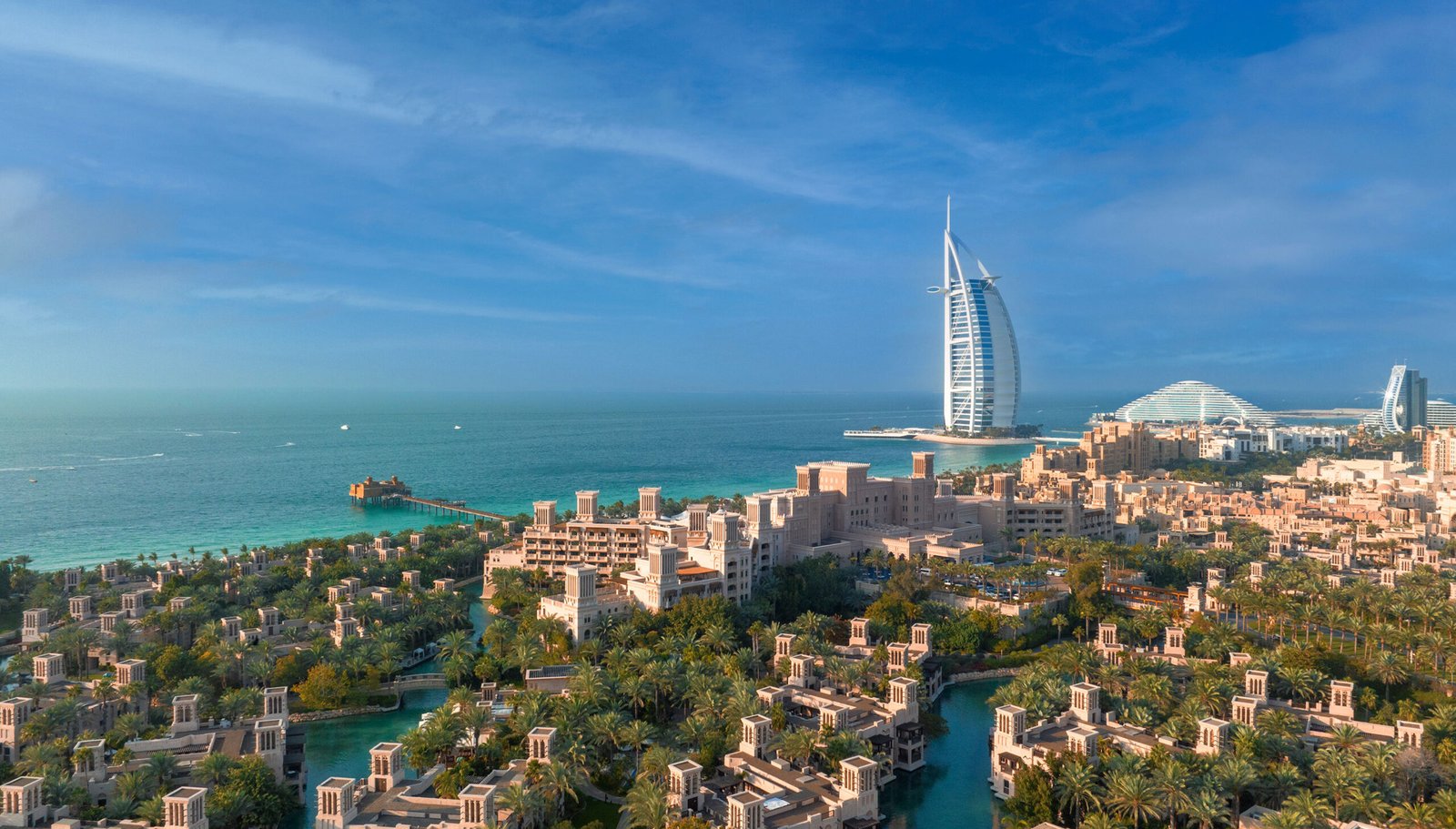
Dubai has long been known for its ambition. The same city that built the world’s tallest tower and created islands from the sea is now directing that energy toward something more lasting — a sustainable future. Over the past few years, the emirate has made serious commitments to reducing its environmental impact. For travelers, this shift is changing how they experience the city and what choices are available to them.
Understanding dubai sustainable tourism means looking beyond marketing claims. It means examining the infrastructure, the policies, and the real options available to every visitor who steps off a plane at Dubai International Airport.
Dubai’s Sustainability Vision: The Bigger Picture
Dubai’s sustainability strategy is anchored in the UAE Net Zero by 2050 initiative. The city’s own Dubai Clean Energy Strategy targets 75% clean energy by 2050. These are not distant aspirations. Work is already underway across energy, transport, construction, and tourism.
The Mohammed bin Rashid Al Maktoum Solar Park is one of the largest single-site solar projects in the world. It reflects the scale of investment the emirate is putting into renewable infrastructure. This energy transition is also starting to influence how hotels, attractions, and transport networks operate across the city.
Green Transport in Dubai
The Metro: Still the Smartest Move
Dubai Metro remains one of the most energy-efficient ways to move around the city. It runs on electricity and connects key areas including the airport, Dubai Mall, Marina, and JLT. For visitors who want to reduce their travel footprint without sacrificing convenience, the metro is the obvious starting point.
The network continues to expand. The Route 2020 extension brought metro access to Expo City Dubai, which itself was designed with sustainability at its core.
Electric and Hybrid Taxis
Dubai’s Roads and Transport Authority (RTA) has been adding hybrid and electric vehicles to its taxi fleet for several years. You will notice green-branded taxis on the road — these are part of the city’s push to lower transport emissions. Ride-hailing apps in Dubai also offer options to select electric or hybrid vehicles specifically.
Cycling and Pedestrian Zones
Areas like Al Qudra, Jumeirah Beach, and parts of Downtown Dubai have developed cycling tracks and shaded walking paths. These are genuinely usable — not just decorative infrastructure. Early morning rides around Al Qudra Lake have become a popular activity for both residents and visitors.
Eco-Friendly Hotels in Dubai
The hotel sector in Dubai is under increasing pressure to meet green building standards. Many properties now hold LEED certification or operate under the Dubai Green Building Regulations.
Some practical things eco-conscious hotels are doing:
- Installing solar panels to offset energy consumption
- Implementing water recycling systems to address the region’s scarcity challenges
- Reducing single-use plastics from rooms and dining areas
- Sourcing food locally where supply chains allow
- Offering guests digital check-in to minimize paper use
Properties like the Jumeirah group have made public commitments to environmental targets. Boutique hotels and newer developments are often built to higher green standards than older properties. When booking, it is worth checking whether a hotel holds any third-party environmental certification.
Sustainable Tours and Experiences
Eco travel dubai is becoming a real category, not just a buzzword. Several operators now run desert experiences with low-impact vehicles, conservation-focused wildlife encounters, and mangrove kayaking tours in the natural reserves around Abu Dhabi and Ras Al Khor.
The Ras Al Khor Wildlife Sanctuary, right on the edge of Dubai, is a flamingo habitat that sits within the city limits. Visiting requires no long journey and leaves almost no footprint. It is one of the most overlooked green experiences available to visitors.
Mangrove tours, stargazing in protected desert areas, and sustainable dhow cruises are growing in availability. These experiences connect travelers with the natural environment of the UAE rather than just its built attractions.
How Visitors Can Reduce Their Footprint in Dubai
Tourists often underestimate how much individual choices matter. A few practical steps make a real difference:
- Choose accommodation with verified green certifications
- Use the metro or electric taxis instead of standard cabs for city travel
- Carry a reusable water bottle — filtered water is widely available
- Avoid purchasing items made from protected wildlife (this is illegal and actively enforced)
- Opt for desert tours that limit vehicle numbers and stick to designated tracks
- Eat at restaurants that source ingredients regionally when possible
The city makes some of these choices easy. Others require a little research before you arrive.
The Role of Green Vehicles for Tourists
Renting a car remains one of the most common choices for visitors who want flexibility. This is where the sustainability conversation gets practical.
The green initiatives dubai 2025 roadmap includes expanding EV charging infrastructure across the city. Charging stations are now available at most major malls, hotels, and public car parks. This makes driving an electric or hybrid rental car genuinely viable for tourists.
PHEV vs Full Hybrid: What Should You Rent?
This is a question more visitors are asking. A full hybrid recharges its battery through regenerative braking and the engine — no external charging required. A plug-in hybrid (PHEV) has a larger battery and can be charged externally, which gives it a longer electric-only range.
For Dubai specifically, the distinction matters. City driving involves frequent stops. A full hybrid performs well in this environment. But if you plan longer drives — to Abu Dhabi, Fujairah, or Hatta — a PHEV offers more flexibility.
Plug-in hybrid charging dubai infrastructure is expanding rapidly. Most five-star hotels and major retail destinations have charging bays. The electric range PHEV provides in pure EV mode (often 40–80 km depending on the model) covers a full day of city sightseeing without using a drop of fuel.
The Mitsubishi Outlander PHEV rental is one of the more popular choices in this category. It offers a spacious cabin, genuine off-road capability, and a dual-mode hybrid system that switches between electric and petrol seamlessly. For families or groups exploring beyond the city, it balances comfort with reduced emissions.
If you are comparing the best PHEV rental cars in Dubai, look at the electric range, charging speed, and boot space. Not all PHEVs are equal. A dual mode hybrid car that handles both urban stop-start traffic and highway driving efficiently is the most practical option for most itineraries.
For visitors who prefer full electric, it is also straightforward to rent electric car in dubai through most major rental companies. Models from Tesla, BMW, and others are available depending on the agency.
What This Means for Your Next Trip
Dubai is not pretending to be a green destination overnight. The city is making structural changes that take time. But the options available to eco-conscious travelers today are meaningfully better than they were five years ago.
Choosing the right transport, the right accommodation, and the right experiences allows visitors to engage with a city that is genuinely trying to evolve. The infrastructure is there. The choice is yours.
