
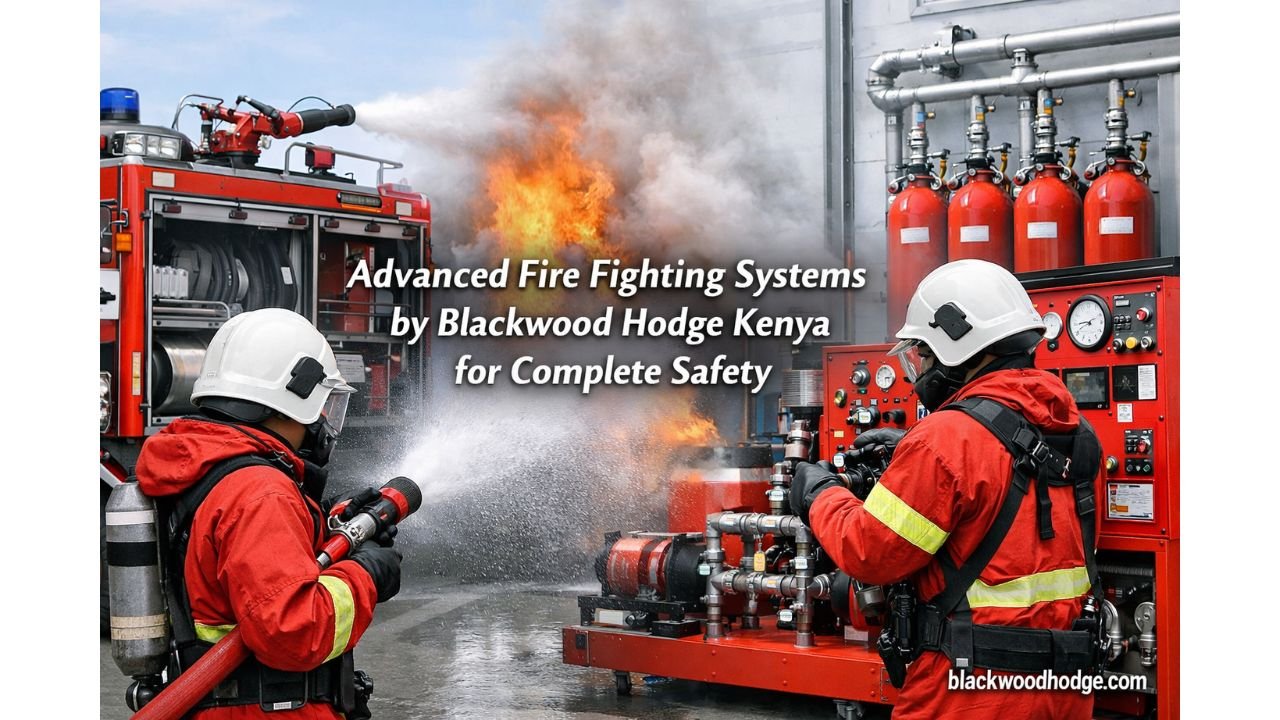
When you walk into a massive office building, a shopping mall, or a warehouse, you probably don’t spend much time looking at the ceiling. But if you did, you’d notice a complex web of pipes, sensors, and red boxes that make up a fire fighting system. These setups are basically the silent bodyguards of any structure. They don’t just sit there looking industrial; they are constantly listening and feeling for the first sign of trouble. Thinking of a fire fighting system as a single tool is a mistake—it’s actually a team of different technologies working together to make sure a small spark doesn’t turn into a total disaster.
The Nervous System: Detection and Alarms
Before you can fight a fire, you have to know it’s there. I like to think of the detection phase as the nervous system of the building. In the old days, you basically relied on someone smelling smoke and screaming, but modern tech is way more sensitive than a human nose.
- Smoke Sensors: These are the most common. Some use light beams (if the beam is broken by smoke, the alarm goes off), while others use a tiny bit of safe radiation to sense the air quality.
- Heat Detectors: These are great for places like kitchens where a bit of smoke is normal, but a sudden spike in temperature isn’t.
- The Control Hub: This is the brain. All the sensors report back to a central panel. If a sensor trips, the brain decides whether to ring the bells, call the fire department, or start the pumps.
Note: Blackwood Hodge Kenya Ltd provides the premier service of a fire fighting system in Kenya to safeguard your industrial and commercial properties. We specialize in designing robust networks that detect and suppress threats instantly. Ensure your infrastructure meets national safety codes while protecting your valuable assets. Contact our engineering team for a consultation.
The Heavy Hitters: Suppression Tools
Once the alarm sounds, the muscles of the system kick in. This is where things get physical. Most people immediately think of water, but a modern automatic sprinkler network is much smarter than what you see in the movies. In Hollywood, one guy pulls a lever, and every sprinkler in the building goes off at once, soaking everyone’s paperwork. In real life, usually only the sprinkler head directly above the heat source opens up.
Other ways we keep things under control include:
- Gas-Based Systems: In server rooms or libraries, water would do as much damage as fire. These systems use special gases to suffocate the fire by removing oxygen or heat without getting anything wet.
- Chemical Foam: Used mostly in industrial settings where oil or chemicals are burning. Water would just spread an oil fire, so foam is used to blanket the flames.
Moving the Water: Pumps and Pipes
You can have the best sprinklers in the world, but if there’s no pressure behind them, they’re just expensive ceiling decorations. This is where the plumbing side of things becomes a work of art.
Essential Infrastructure Components
- Fire Pumps: These are massive engines or electric motors that sit in the basement. Their only job is to shove water upward with incredible force so it can reach the top floor of a skyscraper.
- Water Reservoirs: Most big buildings have their own dedicated tanks. You can’t always rely on the city’s water pressure during a major emergency.
- Standpipes: These are the heavy-duty pipes that run vertically through a building. They have outlets on every floor so firefighters can hook up their hoses right where the fire is, instead of dragging a mile of hose up the stairs.
The Human Element: Manual Extinguishers
Even with all the high-tech automation, we still need tools that a person can grab and use. This is the first line of defense for small accidents, like a toaster catching fire or a wastebasket sparking. We usually see these red canisters hanging on walls, but most people don’t realize there are different types for different fires. You wouldn’t use a water extinguisher on an electrical fire unless you wanted a nasty shock! Having a clear emergency exit strategy is just as important as the hardware because even the best system works better when people know how to move safely.
Conclusion
Building a safe environment isn’t just about putting a few red buckets of sand in a corner anymore. It’s about creating a layered shield that can sense, alert, and react within seconds. From the tiny sensor in the ceiling to the massive pumps in the basement, every piece has to be in perfect sync to save lives and property. At Blackwood Hodge Kenya Ltd, we understand that a fire fighting system is the most important investment any property owner can make. It provides more than just safety; it provides the peace of mind that comes from knowing you’re protected by the best technology available.
