
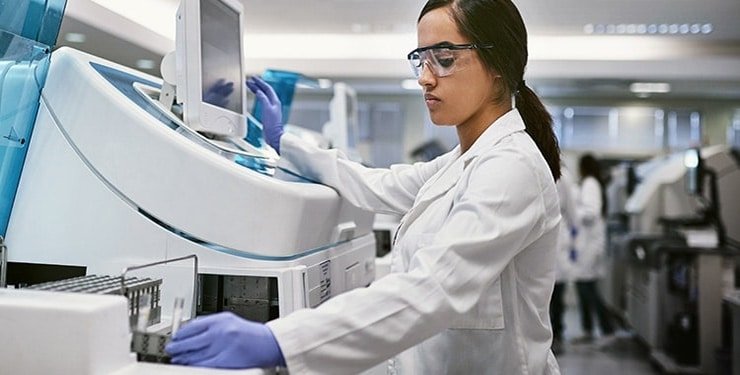
The evolution of modern medicine is increasingly guided by data, precision, and measurable outcomes. Biomarkers—biological indicators of health conditions—are transforming clinical practices by allowing early detection and personalized care. Biomarker Assay Services now play a critical role in monitoring disease progression, predicting treatment outcomes, and optimizing patient management. Integrating these tools into healthcare systems enables clinicians to shift from reactive treatment approaches to proactive strategies, improving diagnostic accuracy, patient experience, and overall system efficiency across both advanced and developing healthcare environments.
Biomarkers In Modern Healthcare
Biomarkers provide measurable evidence of physiological or pathological processes, derived from blood, tissue, or other biological samples. Their use in clinical and research settings allows for early disease detection, often before symptoms manifest. Biomarkers have proven especially valuable in cancer detection, cardiovascular monitoring, and chronic disease management. By providing actionable insights, they guide clinical decisions, enabling targeted interventions. The increasing reliance on biomarkers represents a shift toward precision medicine, where treatment plans are customized according to an individual’s unique biological profile, improving outcomes while minimizing unnecessary procedures.
The Role Of Biomarker Integration In Healthcare Systems
Integrating biomarkers into healthcare systems transforms care delivery by embedding measurable biological data into routine workflows. This integration enhances diagnostic precision, reduces redundant testing, and streamlines resource utilization. Real-time monitoring of patient health becomes feasible, enabling clinicians to adjust treatment plans based on the latest biomarker data. Systems that adopt biomarker-driven approaches improve efficiency and patient outcomes simultaneously. Incorporating these indicators ensures that medical decisions are guided by evidence, reduces clinical errors, and facilitates a more proactive approach to managing both acute and chronic conditions.
Technological Advancements Driving Biomarker Integration
Modern technology drives the adoption and effectiveness of biomarkers in healthcare. High-throughput diagnostic platforms, advanced analytics, and wearable devices enable clinicians to collect and interpret large volumes of biological data. Machine learning and data modeling help identify subtle patterns that were previously undetectable. Continuous monitoring devices, such as smart wearables, complement biomarker analysis by capturing dynamic health information. These technological advancements allow for a more comprehensive view of patient health, improve early diagnosis rates, and support personalized treatment strategies while integrating seamlessly into clinical workflows.
Benefits Of Biomarker Integration In Healthcare Systems
- Early and accurate disease detection
- Personalized treatment strategies
- Improved patient outcomes and survival rates
- Reduced healthcare costs through targeted interventions
- Enhanced monitoring of disease progression
- Accelerated drug development and clinical trials
Biomarker integration provides multiple advantages. Early detection and targeted interventions reduce treatment costs and improve patient quality of life. Personalized therapies are optimized based on biomarker profiles, leading to better outcomes. Healthcare systems benefit from improved resource allocation and reduced hospital readmissions. Additionally, biomarkers accelerate research and drug development by providing quantifiable measures of treatment effectiveness, enabling faster evaluation of therapeutic strategies.
Challenges In Implementing Biomarker Integration
Despite its benefits, biomarker integration faces several challenges. Standardized protocols for biomarker validation remain limited, complicating consistent clinical application. Data security and patient privacy concerns are critical, particularly when handling sensitive information. High costs associated with advanced diagnostic equipment and assays limit accessibility, especially in low-resource regions. Clinicians require training to interpret complex biomarker data effectively. Overcoming these barriers requires coordination among healthcare providers, regulatory authorities, and researchers to ensure safe, reliable, and equitable implementation across diverse healthcare systems.
The Role Of Biomarkers In Personalized Medicine
Biomarkers are central to personalized medicine, guiding treatment decisions based on individual biological profiles. Oncology is a key area where biomarkers identify tumor subtypes, enabling clinicians to select therapies with higher efficacy and reduced side effects. Biomarker-driven treatment plans improve patient outcomes, minimize trial-and-error interventions, and streamline clinical workflows. Research shows growing potential for biomarkers in neurology, immunology, and metabolic disorders, expanding personalized medicine beyond oncology. As more biomarkers are validated, tailored care will become increasingly standard, allowing healthcare providers to deliver optimized therapies to every patient.
Future Trends In Biomarker Integration
The future of biomarker integration emphasizes accessible, real-time, and data-driven healthcare. Multi-omics approaches, combining genomics, proteomics, and metabolomics, provide comprehensive insights into health and disease. Remote monitoring and telemedicine are expected to rely on biomarker data to deliver high-quality care outside traditional settings. Advances in artificial intelligence will support predictive modeling and risk assessment, guiding interventions before disease progression. Standardized data frameworks and global collaboration will accelerate adoption, making biomarkers a routine component of healthcare and fostering a more preventive and patient-centered approach across medical specialties.
Impact On Global Healthcare Systems
Biomarker integration has the potential to reshape healthcare globally. Early detection and targeted interventions reduce chronic disease burdens, improving population health outcomes. In developing regions, cost-effective biomarker solutions enhance access to diagnostic and therapeutic care. Advanced healthcare systems benefit from improved resource allocation and streamlined patient management. By supporting preventive strategies, biomarkers reduce hospital admissions, enhance treatment efficiency, and promote sustainable healthcare. Their integration fosters innovation, improves overall system performance, and ensures that patients receive timely, accurate, and personalized care across diverse medical environments.
Conclusion
The integration of biomarkers into healthcare systems represents a transformative step toward precision, efficiency, and patient-centered care. These indicators support early diagnosis, personalized treatments, and real-time monitoring, improving both outcomes and system performance. Challenges such as standardization, cost, and data security persist, but continued innovation and collaboration among stakeholders are driving progress. The future of biomarker integration promises smarter healthcare systems capable of proactive disease management, better resource utilization, and enhanced patient experiences, shaping a new era of global medical care.
