
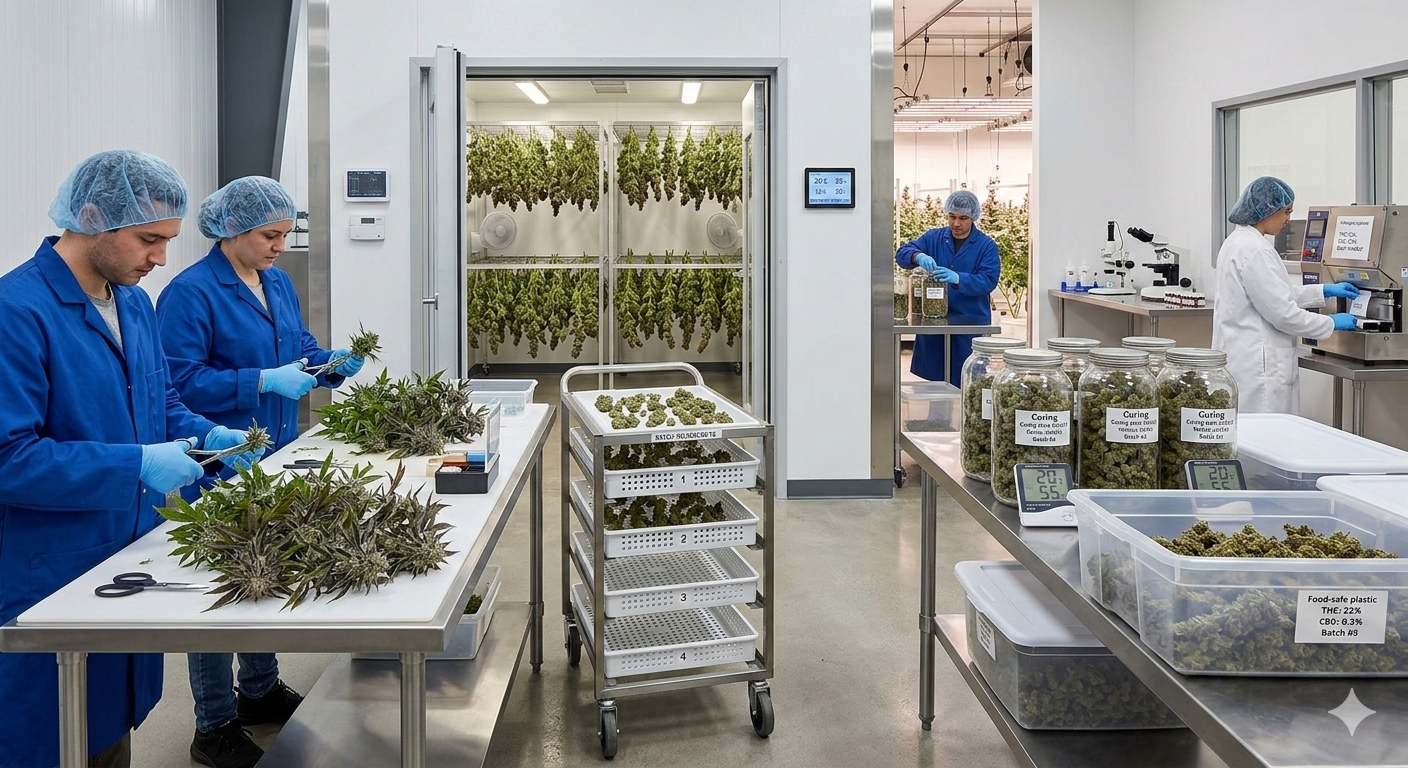
The term harvest cannabis carries far more meaning today than it did in the past. In modern regulated markets, harvesting is not a casual agricultural activity but a structured, highly supervised process that connects cultivation with commercial distribution. It represents the turning point where months of plant care, monitoring, and environmental management finally translate into a finished product ready for testing, packaging, and retail placement.
Behind every successful harvest is a combination of scientific precision and hands-on expertise. Professional growers do not simply cut plants when they look ready. They evaluate maturity indicators, environmental stability, and regulatory obligations before making a single cut. The harvest stage is where quality can either be preserved at its peak or diminished through small mistakes. For that reason, experienced cultivators treat this phase with patience and strict attention to detail.
The Science Behind Harvest Timing
Recognizing Peak Maturity
Determining the right moment to harvest cannabis requires close observation and technical understanding. Plants move through predictable biological phases, but small environmental variations can influence their final development. Growers examine resin glands under magnification, monitor color transitions in plant structures, and assess overall plant vitality before scheduling harvest operations.
Harvesting too early can lead to incomplete cannabinoid formation, while harvesting too late may alter the intended chemical balance. Precision in timing allows cultivators to capture optimal potency and aroma characteristics. This decision often defines the overall success of a crop cycle.
Environmental Stability Before Cutting
In the days leading up to harvest cannabis activities, environmental controls are carefully maintained. Humidity, temperature, and airflow remain stable to prevent stress that could impact the plant’s final composition. Professional facilities often reduce excess moisture and fine-tune lighting schedules to prepare plants for a smooth transition into post-harvest processing.
These pre-harvest adjustments help ensure that plants enter the cutting phase in peak condition, protecting their structural integrity and chemical profile.
Structured Harvest Operations in Regulated Facilities
Modern cannabis facilities operate under strict compliance systems. Harvest cannabis procedures are logged in tracking software that records plant identification numbers, batch classifications, and weight measurements. Every movement from cultivation room to drying area is documented for transparency and accountability.
Before harvest begins, tools are sanitized and workspaces are prepared. Employees wear protective clothing and gloves to maintain hygiene standards. Cleanliness is not only about presentation; it reduces contamination risks and preserves product safety.
Coordination among staff is equally important. Harvest days involve cutting, trimming, and transferring plant material in a continuous workflow. Clear communication ensures efficiency without compromising quality. When teams work in sync, plants move smoothly through each phase without unnecessary delays.
Cutting Techniques and Initial Handling
Preserving Plant Integrity
The physical act of cutting is performed with care. Some growers remove entire plants at once, while others harvest in sections depending on growth patterns. Each method has its own advantages, but both require steady hands and gentle handling to protect delicate resin structures.
Fan leaves are often removed during early processing to improve airflow and prepare plants for drying. Careless trimming can disturb trichomes, which contain valuable cannabinoids and terpenes. For that reason, trained staff approach this stage with patience rather than speed alone.
Workflow Efficiency Without Compromise
While precision is vital, harvest cannabis operations must also maintain productivity. Plants cannot remain exposed to fluctuating environmental conditions for extended periods. Efficient movement from cutting tables to drying rooms helps preserve freshness and prevent degradation.
Balancing careful handling with steady workflow reflects the professionalism of a cultivation team. This balance distinguishes commercial-grade operations from informal practices.
Drying: A Controlled Environmental Phase
Drying is one of the most sensitive stages following harvest cannabis activities. Freshly cut plants contain significant moisture that must be reduced gradually. Controlled drying rooms maintain specific humidity and temperature ranges to prevent mold growth while protecting chemical compounds.
Air circulation systems ensure that each plant dries evenly. If moisture is removed too quickly, flavor and aroma can suffer. If the process is too slow, microbial risks increase. Achieving the right pace requires monitoring equipment and experienced oversight.
This stage can last several days or more than a week depending on plant density and environmental settings. Throughout this period, teams monitor conditions daily to ensure consistency across all batches.
Curing for Flavor and Smoothness
Extending the Post-Harvest Process
Once drying is complete, the harvest cannabis journey continues with curing. Curing involves placing dried buds in controlled containers to stabilize internal moisture and refine flavor profiles. This stage allows subtle chemical adjustments to occur naturally over time.
Containers are periodically opened to release excess humidity and refresh internal air. Proper curing can take weeks, but the results often justify the patience. Products that undergo careful curing tend to offer smoother texture and more pronounced aromatic qualities.
Consistency Through Monitoring
Professional facilities track curing conditions as carefully as they track cultivation data. Temperature and humidity remain stable throughout storage. This attention ensures that every batch maintains predictable quality before proceeding to laboratory evaluation.
Laboratory Verification and Quality Assurance
Testing is a defining feature of modern harvest cannabis systems. Independent laboratories analyze samples for cannabinoid levels, terpene profiles, and potential contaminants. These evaluations confirm that products meet regulatory standards before they can be distributed.
Testing protects both consumers and producers. Verified results provide confidence in labeling accuracy and demonstrate compliance with legal requirements. In many regulated markets, distribution is prohibited without documented lab approval.
Batch tracking numbers accompany products throughout their journey. From cultivation room to retail shelf, traceability systems ensure that each unit can be linked back to its origin. This level of oversight reflects the industry’s commitment to safety and transparency.
Packaging Within Regulatory Guidelines
Protecting Freshness and Information Accuracy
After successful testing, harvest cannabis batches move into packaging departments. Packaging environments maintain cleanliness and organization to prevent contamination. Products are weighed, sealed, and labeled with essential information.
Labels typically display cannabinoid percentages, production dates, batch identification codes, and regulatory notices. Accurate labeling allows consumers to make informed decisions and reinforces trust in the brand.
Packaging materials are often selected to preserve freshness by limiting light exposure and controlling airflow. These details contribute to longer shelf life and consistent product performance.
Distribution and Secure Logistics
The final phase of harvest cannabis operations involves transportation to licensed retailers. Distribution networks function under controlled conditions with documented transfers between facilities. Secure vehicles and compliance protocols reduce risks during transit.
Each shipment is recorded within regulatory tracking systems. These records maintain transparency and allow authorities to monitor product movement across regions. The integration of cultivation, testing, packaging, and logistics demonstrates how structured the modern cannabis industry has become.
Sustainability in Harvest Practices
As the industry evolves, many producers are adopting environmentally responsible methods during harvest cannabis operations. Energy-efficient climate systems, water conservation strategies, and waste reduction programs are increasingly common.
Plant waste may be composted or repurposed in accordance with regulations. Sustainable packaging options are also gaining popularity in certain markets. These efforts reflect a broader commitment to environmental responsibility and long-term operational efficiency.
Consumers are paying closer attention to how products are grown and processed. Sustainable harvest practices not only benefit ecosystems but also enhance brand credibility.
The Human Skill Behind the Process
Despite technological advancements, human judgment remains central to successful harvest cannabis outcomes. Automated systems assist with climate control and tracking, but experienced cultivators interpret plant signals and make nuanced decisions.
Training programs help employees understand sanitation, safety procedures, and quality standards. The collaborative effort of growers, trimmers, compliance specialists, and logistics teams ensures that every product meets established benchmarks.
Harvesting is the culmination of months of dedication. It reflects teamwork, technical understanding, and disciplined execution. The transformation from living plant to market-ready product is guided by people who understand both agriculture and regulatory structure.
Conclusion
Harvest cannabis is a comprehensive, multi-stage process that bridges cultivation and commerce. It involves precise timing, structured facility preparation, careful cutting, controlled drying, patient curing, verified laboratory testing, compliant packaging, and secure distribution.
Each step contributes to product integrity and consumer confidence. Modern harvest operations are defined by accountability, transparency, and attention to detail. What may appear to be a simple agricultural act is, in reality, a carefully orchestrated sequence supported by science, regulation, and professional expertise.
As legal markets continue to expand, the standards surrounding harvest cannabis will likely become even more refined. The dedication applied during this stage ensures that the final product reflects both craftsmanship and compliance, meeting the expectations of regulators and consumers alike.
