
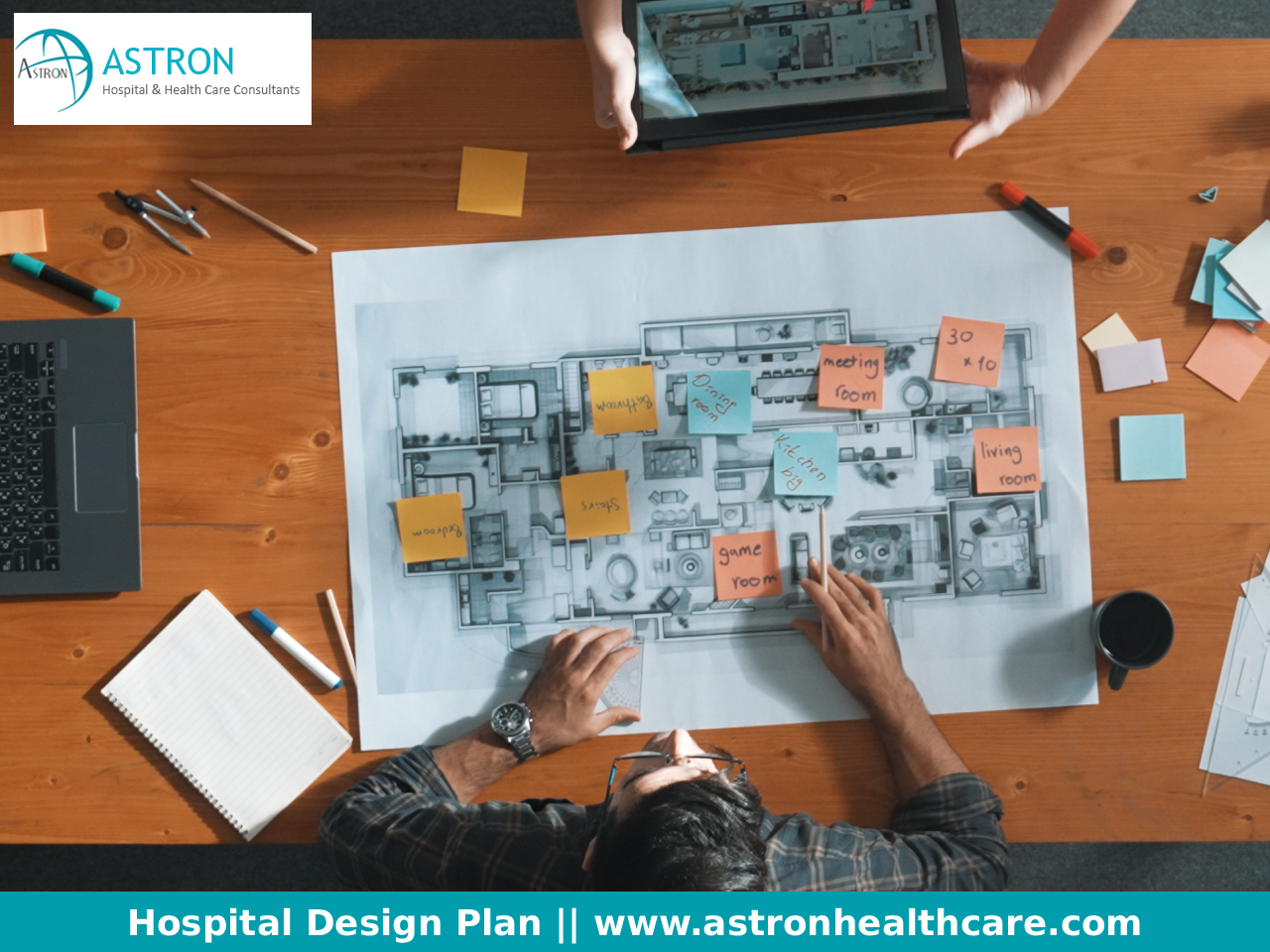
Healthcare is changing fast. Today, hospitals are not just buildings where patients receive treatment. They are smart, efficient, and environmentally friendly spaces designed to improve healing and comfort. A well-planned Hospital Design Plan plays a very important role in creating such healthcare environments.
In this article, we will explain in simple and easy English how a smart and sustainable hospital design works and why it is important for the future.
What is a Hospital Design Plan?
A Hospital Design Plan is a detailed layout and strategy used to design and build a hospital. It includes everything from room placement and equipment setup to patient flow and energy use.
- The goal of a good design plan is to:
- Improve patient care and safety
- Make work easier for doctors and staff
- Reduce costs and energy use
- Create a healing environment
Modern hospitals focus not only on treatment but also on comfort, technology, and sustainability.
Importance of Smart Hospital Design Plan
A smart Hospital Design Plan uses technology and intelligent systems to improve hospital operations. This helps both patients and healthcare workers.
Key Benefits:
- Faster patient care through better layout
- Reduced waiting time
- Easy navigation inside the hospital
- Better communication systems
- Improved emergency response
Smart hospitals use digital systems like automated lighting, smart beds, and real-time monitoring tools. These features make healthcare more efficient and reliable.
Sustainable Hospital Design Plan for the Future
A sustainable Hospital Design Plan focuses on protecting the environment while maintaining high-quality healthcare services.
Why Sustainability Matters:
Hospitals use a lot of energy, water, and resources. Without proper planning, they can harm the environment. Sustainable design helps reduce this impact.
Key Features of Sustainable Design:
- Energy-efficient lighting and equipment
- Use of natural light and ventilation
- Rainwater harvesting systems
- Waste management and recycling
- Eco-friendly building materials
By using these methods, hospitals can lower their carbon footprint and save money in the long run.
Key Elements of a Smart and Sustainable Hospital Design Plan
Creating a modern hospital requires careful planning. Below are the main elements that should be included in a strong Hospital Design Plan.
1. Patient-Centered Design
The hospital should be designed with the patient in mind. This means:
- Comfortable rooms
- Quiet environment
- Easy access to services
- Clear signage for navigation
A calm and clean environment helps patients recover faster.
2. Efficient Space Planning
Proper use of space is very important in a hospital.
Good space planning includes:
- Separate areas for emergency, OPD, and inpatient care
- Easy movement for staff and patients
- Reduced crowding
This improves workflow and reduces stress for everyone.
3. Smart Technology Integration
Technology plays a key role in a modern Hospital Design Plan.
Examples include:
- Electronic health records (EHR)
- Smart monitoring systems
- Automated temperature and lighting control
- Telemedicine facilities
These technologies improve accuracy, speed, and patient care.
4. Energy Efficiency
Hospitals run 24/7, so energy use is very high.
Energy-saving solutions include:
- LED lighting
- Solar panels
- Energy-efficient HVAC systems
- Smart energy monitoring
These steps reduce electricity costs and support sustainability.
5. Infection Control Design
Infection control is very important in hospitals.
A good Hospital Design Plan includes:
- Proper ventilation systems
- Isolation rooms
- Easy-to-clean surfaces
- Hand hygiene stations
This helps prevent the spread of diseases.
6. Flexibility and Future Expansion
Healthcare needs change over time. Hospitals should be designed to adapt.
Flexible design allows:
- Easy expansion of departments
- Addition of new technologies
- Changes in patient needs
This makes the hospital future-ready.
Role of Green Building in Hospital Design Plan
Green building is an important part of sustainable healthcare.
Features of Green Hospitals:
- Use of natural materials
- Better indoor air quality
- Reduced waste
- Water conservation systems
Green hospitals create a healthier environment for patients and staff.
Challenges in Hospital Design Plan
Designing a hospital is not easy. There are many challenges, such as:
- High construction costs
- Complex regulations and approvals
- Need for advanced technology
- Balancing comfort and functionality
However, with proper planning and expert guidance, these challenges can be managed effectively.
How Experts Help in Hospital Design Plan
Professional healthcare planners and designers play an important role in creating effective hospitals. Companies like Astron HealthCare provide expert solutions to design smart and sustainable healthcare facilities.
They help with:
- Planning layouts
- Selecting technology
- Ensuring safety standards
- Improving operational efficiency
With expert support, hospitals can achieve better results in less time.
Future Trends in Hospital Design Plan
The future of hospital design is exciting. New ideas and technologies are shaping the next generation of healthcare facilities.
Upcoming Trends:
- AI-based hospital management systems
- Touchless technology for hygiene
- Smart patient rooms
- Virtual consultations
- Sustainable and net-zero buildings
These trends will make hospitals more advanced, efficient, and patient-friendly.
Conclusion
A well-planned Hospital Design Plan is essential for modern healthcare. It not only improves patient care but also ensures sustainability and efficiency.
Smart design uses technology to make hospitals more effective, while sustainable design protects the environment and reduces costs. Together, they create healthcare spaces that are safe, comfortable, and future-ready.
