
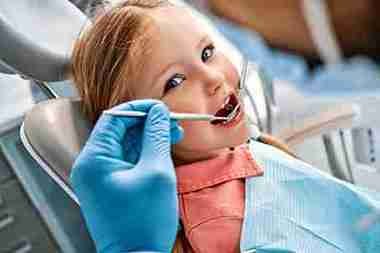
Paediatric dentistry plays a crucial role in shaping a child’s long-term oral health. While many parents associate orthodontic treatment with teenage years, the foundations for healthy tooth alignment and jaw development are laid much earlier. Early dental care is not just about preventing cavities; it is about guiding growth, identifying risks and intervening at the right time to avoid complex orthodontic problems later in life.By monitoring dental development from an early age, paediatric dentistry helps children develop healthy bites, balanced jaws and properly aligned teeth. This proactive approach reduces the likelihood of extensive orthodontic treatment in the future and supports both functional health and confident smiles.
What Is Paediatric Dentistry?
Paediatric dentistry is a specialised branch of dental care dedicated to protecting and supporting the oral health of infants, children and adolescents. It focuses on the unique stages of dental development, from the eruption of baby teeth to the gradual transition into permanent dentition. This specialised approach ensures that growing mouths are monitored carefully, allowing dentists to guide healthy development and reduce future complications.
Key areas of focus in paediatric dentistry include:
- Early prevention of dental problems
- Education on good oral hygiene habits
- Monitoring jaw growth and bite development
- Identifying harmful oral habits such as thumb sucking
- Early intervention to support orthodontic health
By assessing teeth, jaws and oral habits early, paediatric dentists can address potential issues before they become complex, supporting healthier long-term outcomes.
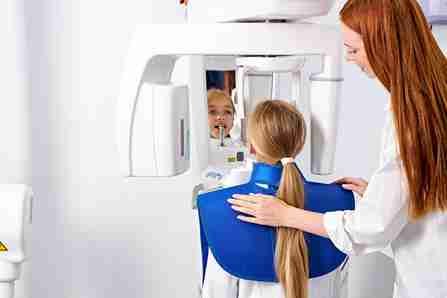
emergency dentist in Dumfries
Understanding Early Orthodontic Problems in Children
Orthodontic issues rarely appear overnight. They often develop gradually as a child grows, influenced by genetics, habits and early tooth loss. When left unchecked, minor concerns can progress into significant alignment or bite problems.
Common early orthodontic concerns include:
- Crowded or overlapping teeth
- Excessive spacing
- Early or delayed loss of baby teeth
- Crossbite, overbite or underbite
- Jaw growth imbalance
In some situations, discomfort or swelling linked to developing issues may lead families to seek urgent care from an emergency dentist in Dumfries before underlying orthodontic risks are identified.
The Importance of Early Dental Assessments
Early dental visits allow clinicians to monitor how teeth and jaws are developing over time. Most professionals recommend a child’s first dental visit by their first birthday or when the first tooth appears.
These early assessments help to:
- Track eruption patterns of baby and permanent teeth
- Identify jaw growth irregularities
- Detect habits that may affect alignment
- Plan timely interventions if needed
Regular monitoring ensures that potential orthodontic issues are addressed at the most effective stage, often reducing the need for complex correction later.
Preventive Treatments in Paediatric Dentistry
Paediatric dentistry offers several preventive solutions designed to support healthy orthodontic development. These interventions are often simple but highly effective when applied early.
Common preventive measures include:
- Space maintainers to preserve gaps when baby teeth are lost early
- Habit-correction appliances for thumb sucking or tongue thrusting
- Guidance on oral habits such as mouth breathing
- Preventive orthodontic monitoring during growth phases
By using these tools strategically, paediatric dentists help ensure that permanent teeth erupt into healthier positions.
Supporting Healthy Jaw Development
Jaw growth plays a major role in orthodontic outcomes. If the jaws develop unevenly, teeth may not align properly even if they are healthy. Paediatric dentistry closely monitors facial growth patterns to encourage balance and symmetry.
Early support for jaw development can:
- Reduce the risk of severe bite problems
- Improve chewing efficiency
- Support clear speech development
- Promote facial harmony
Children who receive timely guidance often require simpler orthodontic care later, sometimes avoiding braces altogether.
Collaboration Between Paediatric Dentists and Orthodontists
Paediatric dentistry does not work in isolation. Collaboration with orthodontic specialists ensures children receive comprehensive care at the right time. When early signs of alignment issues are detected, referral to an orthodontist Dumfries allows for specialised assessment and coordinated planning.
This team-based approach ensures:
- Early orthodontic evaluation without premature treatment
- Personalised care based on growth patterns
- Reduced risk of treatment delays
- More predictable long-term outcomes
Early collaboration benefits both the child’s comfort and treatment efficiency.
Long-Term Benefits of Early Prevention
Preventive paediatric dental care offers benefits that extend well beyond childhood. Addressing orthodontic risks early often leads to simpler, shorter and less invasive treatment later.
Long-term advantages include:
- Reduced need for complex orthodontic appliances
- Shorter treatment times during adolescence
- Lower risk of dental emergencies related to misalignment
- Improved oral hygiene and gum health
Children who benefit from early prevention are less likely to experience painful complications that require urgent attention from an emergency dentist in Dumfries during later developmental stages.
What Parents Can Do at Home
Parents play an essential role in supporting orthodontic health. Daily habits at home strongly influence dental development and treatment outcomes.
Parents can help by:
- Encouraging regular brushing and flossing
- Limiting sugary snacks and drinks
- Discouraging prolonged thumb sucking
- Watching for mouth breathing or speech difficulties
- Attending regular dental check-ups
When combined with professional care, these habits help ensure teeth and jaws develop as naturally as possible.
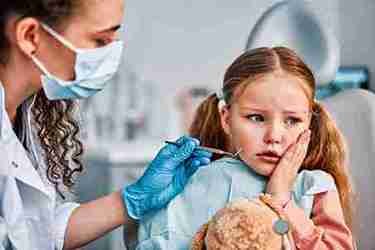
When Orthodontic Assessment Becomes Necessary
Not every child requires early orthodontic treatment, but timely assessment plays an important role in identifying potential concerns. Around the age of seven, many children benefit from an orthodontic evaluation, as this stage allows specialists to assess jaw growth, tooth eruption and bite development. Early review helps determine whether issues are likely to resolve naturally or need closer monitoring.
An orthodontic assessment helps to:
- Identify emerging alignment or bite problems
- Decide if early intervention is necessary
- Monitor growth until the ideal treatment time
- Avoid unnecessary or premature treatment
Referral to an orthodontist Dumfries ensures that decisions are guided by specialist insight, supporting healthy development without rushing treatment unnecessarily.
Conclusion
Paediatric dentistry plays a vital role in preventing orthodontic problems before they become complex or disruptive. By monitoring growth, guiding habits and intervening early when needed, it helps children develop healthier bites, balanced jaws and confident smiles. Early prevention not only reduces the need for extensive orthodontic treatment but also supports comfort, function and long-term oral wellbeing.Investing in early dental care is an investment in a child’s future smile. With trusted paediatric and orthodontic support available in Dumfries, families can feel confident that their children’s oral development is being guided with care, expertise and a focus on lifelong dental health.
