
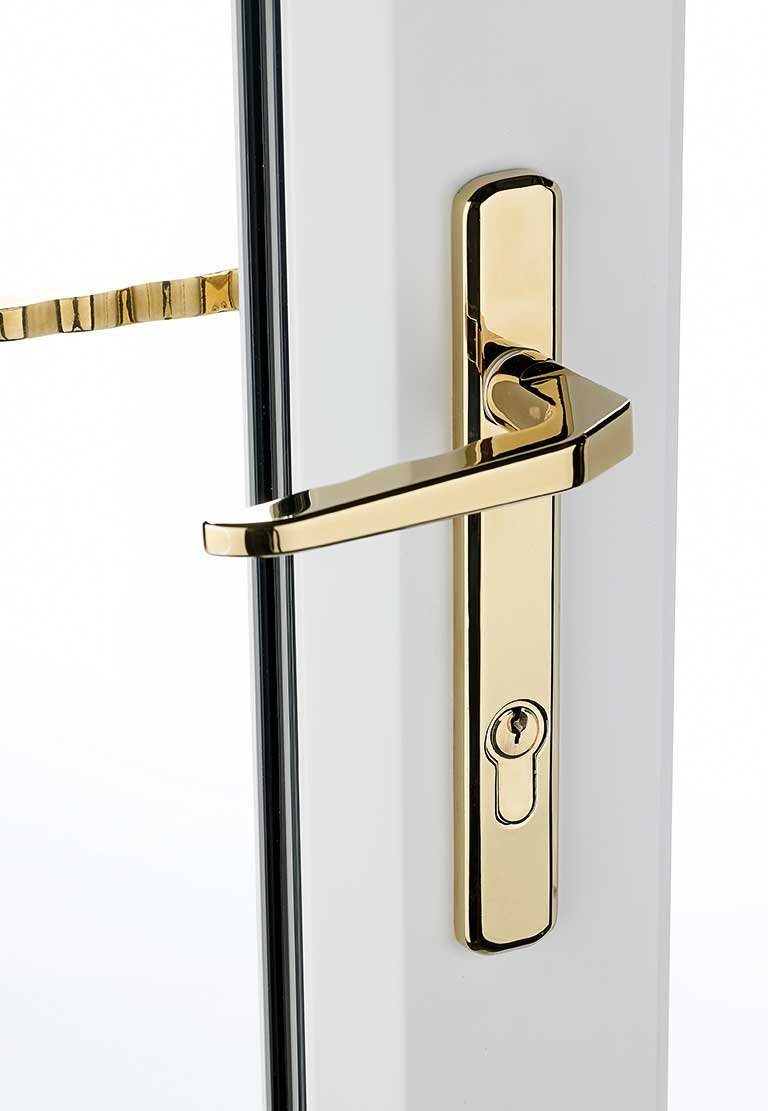
Replacing a uPVC door knob is a straightforward DIY task that can instantly improve the appearance, security, and functionality of your door. Whether your existing knob is loose, damaged, outdated, or simply no longer matches your décor, fitting a new one usually takes less than an hour and requires only basic tools.
This step-by-step guide walks you through the entire process—from identifying the correct replacement to testing the finished installation—so even beginners can complete the job with confidence.
What Is a uPVC Door Knob?
uPVC (unplasticized polyvinyl chloride) doors are commonly used in homes due to their durability, insulation properties, and low maintenance. The door knob or handle operates the multipoint locking mechanism inside the door, meaning it plays a crucial role in both access and security.
Because uPVC door knobs are standardized in many cases, replacing them is often easier than with wooden or metal doors.
Tools and Materials You’ll Need
Before starting, gather the following items:
New uPVC door knob or handle set
Screwdriver (usually Phillips or Pozidriv)
Measuring tape or ruler
Allen key (if required for your handle type)
Pencil (optional)
Lubricant (optional, for smooth operation)
Having everything ready will make the process quicker and prevent interruptions.
Step 1: Identify the Correct Replacement Door Knob
Not all uPVC door knobs are identical, so choosing the right replacement is essential. Pay attention to the following measurements:
PZ measurement: The distance from the center of the handle spindle to the center of the keyhole.
Screw hole centers: The distance between the fixing screws.
Spindle size: Usually 7mm square for uPVC doors.
Handle length and backplate size: For proper alignment and coverage.
If possible, remove the existing handle and take it with you when purchasing a replacement. This helps ensure compatibility.
Step 2: Open the Door and Secure It
Always work with the door open. This prevents accidental lockouts and allows easy access to screws on both sides of the door.
If the door tends to move, wedge it in place or ask someone to hold it steady while you work.
Step 3: Remove the Existing Door Knob
Locate the fixing screws on the inside handle. Most door knobs are fixed through the door with two long screws.
Use a screwdriver to loosen and remove the screws.
Keep the screws safe—you may reuse them if they’re in good condition.
Gently pull the handles away from the door on both sides.
Slide the spindle out if it doesn’t come away with the handle.
If the handle feels stuck, wiggle it gently. Avoid forcing it, as this could damage the locking mechanism.
Step 4: Inspect the Locking Mechanism
Before installing the new door knob, take a moment to inspect the lock and spindle:
Ensure the spindle is straight and undamaged.
Check that the latch or locking mechanism moves smoothly.
Apply a small amount of lubricant if the mechanism feels stiff.
This quick inspection can prevent future issues and ensure your new handle works flawlessly.
Step 5: Insert the Spindle into the Lock
Slide the spindle through the square hole in the locking mechanism until it is centered. The spindle should extend evenly from both sides of the door.
If your new door knob includes a new spindle, use it instead of the old one for best results.
Step 6: Attach the New Door Knob
Now it’s time to fit the new handle:
Position the outside handle over the spindle and align it with the screw holes.
Place the inside handle on the opposite side, ensuring both handles sit flush against the door.
Insert the fixing screws through the inside handle and tighten them gradually.
Alternate between screws to ensure even pressure.
Tighten until secure, but do not overtighten, as this can crack the handle or strip the screw threads.
Step 7: Test the Door Knob
Once installed, test the door knob thoroughly:
Turn the handle up and down to check smooth movement.
Open and close the door several times.
Lock and unlock the door to ensure proper alignment.
If the handle feels stiff or misaligned, loosen the screws slightly, adjust the position, and retighten.
Step 8: Final Adjustments and Finishing Touches
Make sure the handle is straight and sits comfortably in the hand. Wipe it clean to remove fingerprints or dust from installation.
If your new door knob includes decorative screw covers, snap them into place for a neat, finished look.
Common Mistakes to Avoid
Using incorrect measurements: Always check PZ and screw centers before buying.
Overtightening screws: This can damage both the handle and the door.
Ignoring stiffness in the lock: This may cause premature wear on the new knob.
Installing with the door closed: Risky and inconvenient if something goes wrong.
When to Replace a Door Knob
You should consider replacing your door knob if:
The handle feels loose or wobbly
The knob sticks or doesn’t return to its position
The finish is worn or corroded
You’re upgrading for security or aesthetic reasons
A new handle can improve both the look and safety of your door at minimal cost.
Conclusion
Replacing a uPVC door knob is a simple, cost-effective home improvement project that most homeowners can complete themselves. With the right measurements, basic tools, and a careful step-by-step approach, you can have your new handle installed in under an hour.
Not only does this upgrade refresh the appearance of your door, but it also ensures smooth operation and reliable security for years to come. Whether you’re fixing a fault or giving your home a small facelift, replacing a door knob is a DIY task well worth tackling.
