
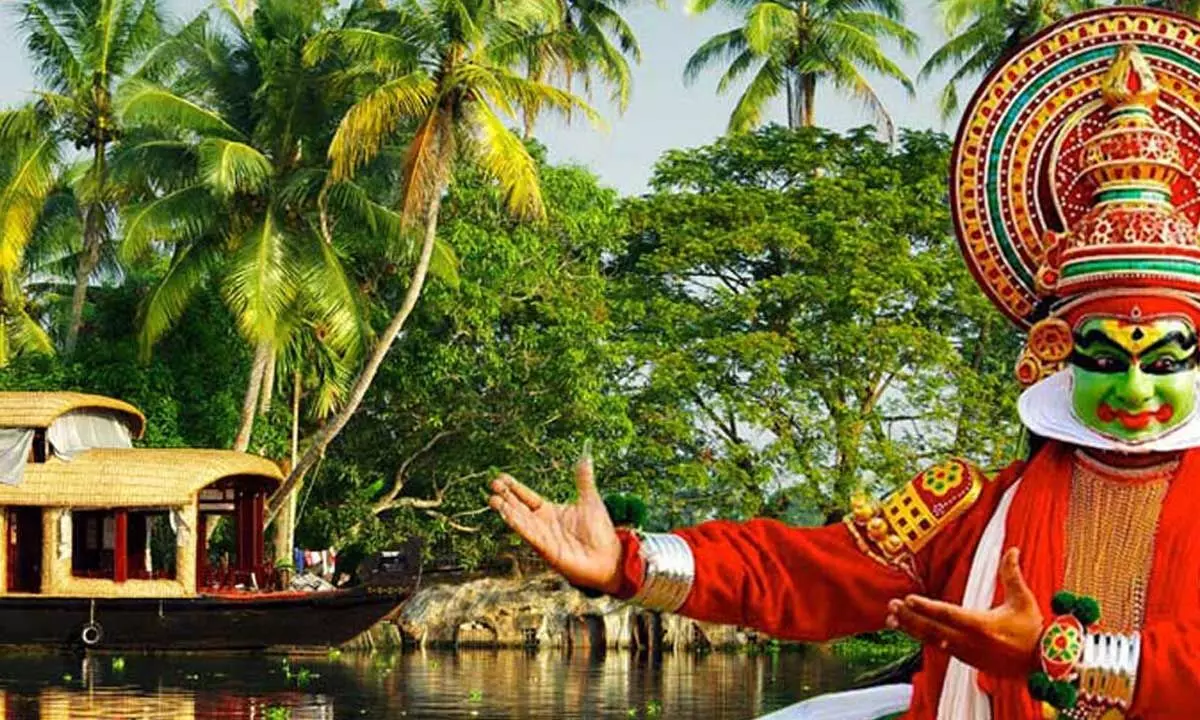
Kerala, often called God’s Own Country, is one of the most enchanting destinations in India. Kerala Tourism has gained worldwide recognition for its serene backwaters, lush greenery, pristine beaches, and rich cultural heritage. Travelers from across the globe are drawn to this southern paradise for its unique blend of nature, tradition, and modern hospitality.
🌴 Introduction to Kerala
- Located on the Malabar Coast, Kerala is blessed with a tropical climate and abundant natural beauty.
- It is famous for its backwaters, Ayurveda, spices, wildlife sanctuaries, and cultural festivals.
- The state offers diverse experiences ranging from houseboat cruises to trekking in the Western Ghats.
- Kerala Tourism is not just about sightseeing; it is about immersing yourself in a lifestyle that values harmony with nature.
🏞️ Backwaters of Kerala
The backwaters are the crown jewel of Kerala Tourism. These interconnected rivers, lakes, and lagoons create a magical landscape.
- Alleppey (Alappuzha): Known as the “Venice of the East,” famous for houseboat cruises.
- Kumarakom: A tranquil village offering bird watching and luxury resorts.
- Kollam: A historic port city with scenic backwater routes.
- Kuttanad: Known as the “Rice Bowl of Kerala,” offering unique farming landscapes.
A houseboat ride through these waters is a once-in-a-lifetime experience, making backwaters central to Kerala Tourism.
🏖️ Beaches of Kerala
Kerala’s coastline stretches over 580 km, offering some of India’s most beautiful beaches.
- Kovalam Beach: Famous for its crescent-shaped shoreline and lighthouse.
- Varkala Beach: Known for its cliffs overlooking the Arabian Sea.
- Cherai Beach: A blend of backwaters and sea, ideal for family outings.
- Bekal Beach: Famous for Bekal Fort and scenic views.
These beaches make Kerala Tourism appealing to both leisure travelers and adventure seekers.
🌿 Ayurveda and Wellness
Kerala is the birthplace of Ayurveda, the ancient system of natural healing.
- Ayurvedic Resorts: Offer therapies like Panchakarma, massages, and detox programs.
- Yoga Retreats: Combine meditation with Ayurveda for holistic wellness.
- Healing Tourism: Attracts international visitors seeking natural remedies for stress and lifestyle diseases.
Ayurveda is a major pillar of Kerala Tourism, blending health with travel.
🐘 Wildlife and Eco-Tourism
Kerala is home to diverse flora and fauna, making it a hotspot for eco-tourism.
- Periyar Wildlife Sanctuary (Thekkady): Famous for elephants and boat rides on Periyar Lake.
- Silent Valley National Park: A pristine rainforest with rare species.
- Wayanad Wildlife Sanctuary: Known for tigers, leopards, and exotic birds.
- Thattekad Bird Sanctuary: A paradise for bird watchers.
Eco-tourism initiatives make Kerala Tourism sustainable and nature-friendly.
🛕 Culture and Traditions
Kerala’s culture is a blend of Hindu, Christian, and Muslim traditions.
- Dance Forms: Kathakali and Mohiniyattam are world-renowned classical dances.
- Festivals: Onam, Vishu, and Thrissur Pooram showcase Kerala’s vibrant traditions.
- Cuisine: Appam with stew, Kerala Sadya, and seafood delicacies are must-try dishes.
- Art Forms: Theyyam rituals and mural paintings reflect Kerala’s heritage.
Cultural experiences enrich Kerala Tourism, offering travelers a deeper connection to the land.
🏔️ Hill Stations of Kerala
The Western Ghats give Kerala its stunning hill stations.
- Munnar: Famous for tea plantations and misty valleys.
- Wayanad: Known for waterfalls, caves, and wildlife.
- Idukki: Offers trekking, spice plantations, and dams.
- Ponmudi: A lesser-known hill station with scenic trails.
These hill stations make Kerala Tourism perfect for honeymooners and adventure lovers.
🚂 Connectivity and Travel
Kerala is well-connected by air, rail, and road.
- Airports: Kochi, Trivandrum, and Calicut handle domestic and international flights.
- Railways: Connect major cities and tourist destinations.
- Roadways: National highways and state roads make travel easy.
Accessibility enhances Kerala Tourism for both domestic and international visitors.
📍 Major Cities and Attractions
Kochi – The Queen of the Arabian Sea
- Chinese fishing nets, Fort Kochi, Mattancherry Palace.
- Famous for spice markets and cultural fusion.
Thiruvananthapuram – The Capital City
- Padmanabhaswamy Temple, Kovalam Beach, Napier Museum.
- Known for its blend of tradition and modernity.
Munnar
- Tea estates, Eravikulam National Park, Anamudi Peak.
- A paradise for nature lovers.
Alleppey
- Houseboats, backwaters, and coir industry.
- Known for the Nehru Trophy Boat Race.
Wayanad
- Edakkal Caves, Banasura Sagar Dam, wildlife sanctuaries.
- Offers trekking and adventure activities.
Each city adds a unique flavor to Kerala Tourism.
🛍️ Shopping in Kerala
Kerala offers unique souvenirs.
- Spices: Cardamom, pepper, cinnamon, and cloves.
- Handicrafts: Coir products, wooden carvings, and Kathakali masks.
- Textiles: Kasavu sarees and handloom fabrics.
- Jewelry: Traditional gold ornaments.
Shopping is an integral part of Kerala Tourism, giving travelers a piece of its culture.
🚴 Adventure Tourism
Adventure seekers find Kerala thrilling.
- Trekking in Wayanad and Munnar.
- Bamboo rafting in Thekkady.
- Paragliding in Vagamon.
- Scuba diving in Kovalam.
Adventure activities make Kerala Tourism appealing to younger travelers.
🍴 Culinary Tourism
Kerala’s cuisine is a treat for food lovers.
- Kerala Sadya: A traditional vegetarian feast served on banana leaves.
- Seafood: Karimeen Pollichathu, prawn curry, and crab roast.
- Breakfast Delights: Puttu, appam, and idiyappam.
- Sweets: Payasam varieties like Ada Pradhaman and Palada.
Food experiences enrich Kerala Tourism by connecting travelers to local flavors.
🌟 Why Choose Kerala Tourism?
- Diverse landscapes – beaches, backwaters, hills, and forests.
- Rich cultural heritage and festivals.
- Ayurveda and wellness experiences.
- Adventure and eco-tourism opportunities.
- Warm hospitality and sustainable practices.
Kerala Tourism is about harmony with nature and culture.
✈️ Best Time to Visit
- Winter (October–March): Pleasant weather, ideal for sightseeing.
- Summer (April–June): Hot, but hill stations remain cool.
- Monsoon (July–September): Perfect for Ayurveda treatments and lush greenery.
Most travelers prefer winter for Kerala Tourism.
📌 Travel Tips
- Carry light cotton clothes and umbrellas during monsoon.
- Respect local traditions and dress modestly at temples.
- Book houseboats and resorts in advance.
- Try local cuisine and street food.
- Explore villages for authentic experiences.
📝 Conclusion
Kerala is more than just a destination; it is an experience of nature, culture, and wellness. Kerala Tourism continues to attract millions of visitors because it offers something for everyone – honeymooners, adventure seekers, spiritual travelers, and wellness enthusiasts. Whether you are cruising through the backwaters of Alleppey, trekking in Wayanad, or enjoying an Ayurvedic massage in Kovalam, Kerala promises memories that last a lifetime.
