
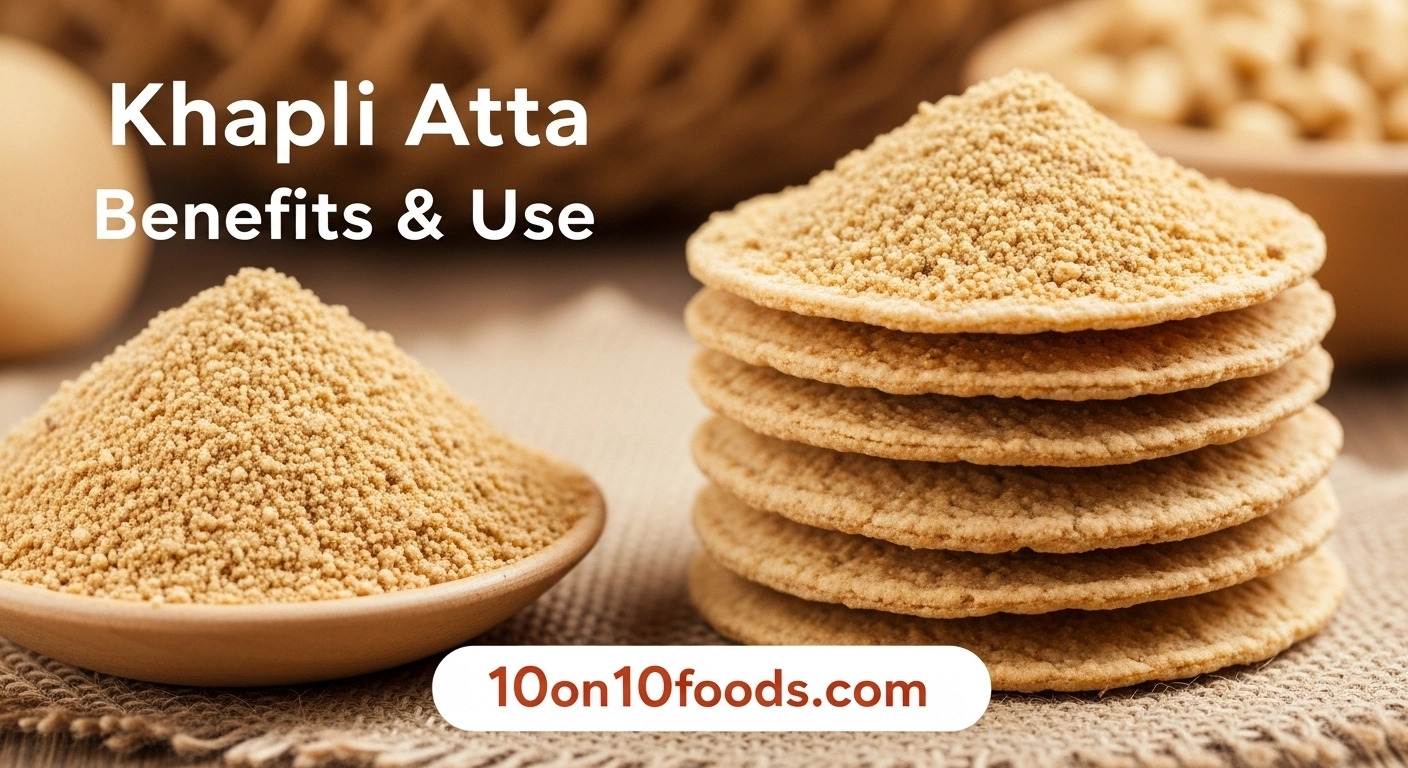
In the quest for healthier eating habits, many of us find ourselves torn between foods that taste good and foods that are good for us. But what if you didn’t have to choose? Enter Khapli atta—an ancient grain that’s making a powerful comeback in modern kitchens, proving that nutrition and flavor can coexist beautifully on the same plate.
Rediscovering an Ancient Treasure
Khapli wheat, also known as Emmer wheat or Samba wheat, isn’t just another trendy superfood. This grain has been cultivated for over 10,000 years, sustaining civilizations long before modern wheat varieties took over our fields and plates. Unlike the heavily hybridized wheat we commonly consume today, Khapli wheat remains close to its original form, untouched by extensive genetic modification.
What makes this ancient grain special isn’t just its history—it’s the remarkable nutritional profile that comes with it. When you choose 10on10foods.com Khapli atta for your daily rotis, you’re connecting with a tradition of wholesome eating that has stood the test of time.
The Nutritional Powerhouse in Your Kitchen
The real magic of Khapli atta lies beneath its rustic exterior. This wheat variety boasts a significantly higher protein content compared to regular wheat, making every roti you consume more satiating and nutritionally dense. The fiber content is impressive too, supporting digestive health and helping you feel fuller for longer periods.
But the benefits don’t stop there. Khapli wheat contains essential minerals like magnesium, zinc, and iron in generous amounts. It’s also rich in antioxidants that help protect your cells from oxidative stress. For those monitoring their blood sugar levels, Khapli atta offers a lower glycemic index compared to conventional wheat, causing a slower, more gradual rise in blood sugar after meals.
Perhaps one of the most appreciated qualities of Khapli atta is its gluten structure. While it does contain gluten and isn’t suitable for those with celiac disease, many people who experience mild sensitivity to regular wheat find Khapli easier to digest. The gluten in Khapli wheat is different in composition, making it gentler on the digestive system.
From Grain to Golden Roti
Making rotis with Khapli atta requires a slight adjustment if you’re accustomed to regular wheat flour. The dough feels different—slightly coarser and more textured. You might need to add a touch more water when kneading, as Khapli atta absorbs moisture differently than refined flour.
The kneading process deserves attention. Take your time to work the dough until it becomes soft and pliable. Let it rest for at least 15-20 minutes before rolling. This resting period allows the flour to fully hydrate and makes rolling easier.
When you roll out the rotis, you’ll notice they might not puff up as dramatically as regular wheat rotis. That’s perfectly normal. The texture will be slightly denser, with a beautiful golden-brown hue and a nutty, earthy aroma that fills your kitchen. Cook them on a medium-high flame, and don’t be surprised when your family asks what smells so good.
The taste is where Khapli atta truly shines. Unlike the bland, neutral flavor of refined wheat, Khapli rotis have a distinctive, slightly sweet and nutty taste that adds character to your meal. You might find yourself eating them plain, savoring the flavor that needs no accompaniment.
Fitting Khapli into Your Modern Lifestyle
Switching to Khapli atta doesn’t mean overhauling your entire kitchen routine. Start by replacing one meal a day—perhaps your dinner rotis—with Khapli atta versions. As you and your family adjust to the taste and texture, you can gradually increase usage.
For those managing weight, Khapli atta becomes a valuable ally. The higher fiber and protein content means you’ll likely eat fewer rotis while feeling equally satisfied. The sustained energy release helps prevent those mid-afternoon energy crashes that send you reaching for unhealthy snacks.
Athletes and fitness enthusiasts are increasingly turning to Khapli atta for its sustained energy release and superior protein content. The complex carbohydrates provide fuel for workouts while the nutrients support recovery and muscle building.
Parents looking to improve their children’s nutrition without battles at the dinner table find Khapli rotis particularly helpful. The slightly sweet, nutty flavor often appeals to young palates, and you can feel good knowing each bite delivers genuine nutritional value.
Beyond Basic Rotis
While Khapli atta makes excellent rotis, don’t limit yourself. This versatile flour works beautifully in parathas, puris, and even baked goods. Try making whole wheat pancakes with Khapli atta on weekend mornings, or use it to prepare traditional dishes like thepla or bhakri.
Some home cooks blend Khapli atta with regular wheat flour initially, creating a transition blend that makes the switch easier for families accustomed to refined flour products. Over time, you can increase the Khapli proportion as everyone adjusts.
Making the Smart Choice
When purchasing Khapli atta, quality matters enormously. Look for brands like 10on10foods.com that source their grain responsibly and mill it properly to preserve nutritional value. Freshly milled flour retains more nutrients and flavor, so check packaging dates when shopping.
Store your Khapli atta in an airtight container in a cool, dry place. Because it contains more natural oils than refined flour, it has a shorter shelf life. Buy quantities you can use within a month or two for optimal freshness and taste.
The Bigger Picture
Choosing Khapli atta represents more than a personal health decision. By supporting ancient grain cultivation, you’re helping preserve agricultural biodiversity and supporting farmers who maintain traditional farming practices. These heritage grains often require fewer pesticides and grow well in challenging conditions, making them more sustainable choices for our planet.
In many regions, small-scale farmers are reviving Khapli wheat cultivation, creating economic opportunities in rural communities. Your choice to buy Khapli atta from ethical suppliers like 10on10foods.com directly supports these efforts.
The Verdict: Worth the Switch?
After generations of choosing convenience over nutrition, we’re finally realizing that our food choices profoundly impact our long-term health. Khapli atta offers a simple way to upgrade your daily nutrition without sacrificing taste or drastically changing your cooking methods.
The adjustment period is minimal. Within a week or two, most families find they actually prefer the richer, more complex flavor of Khapli rotis. The knowledge that every meal delivers superior nutrition adds satisfaction that goes beyond taste.
Is Khapli atta more expensive than regular wheat flour? Often, yes. But considering the enhanced nutritional value, better satiety, and potential long-term health benefits, it’s an investment in wellness that pays dividends. When you calculate the cost per nutrient rather than cost per kilo, Khapli atta looks remarkably economical.
For those ready to make a positive change in their family’s nutrition, Khapli atta presents an accessible entry point. You don’t need to understand complicated nutritional science or follow restrictive diets. Simply swap your flour, and let this ancient grain work its magic, one delicious roti at a time.
Frequently Asked Questions About Khapli Atta
What is Khapli atta made from?
Khapli atta is made from Emmer wheat, an ancient grain variety that has been cultivated for thousands of years. Unlike modern wheat varieties, Khapli wheat is less hybridized and retains more of its original nutritional characteristics. The grain is stone-ground or milled to produce the flour known as Khapli atta.
Is Khapli atta good for weight loss?
Yes, Khapli atta can support weight loss efforts due to its high fiber and protein content, which promote satiety and help you feel full longer. Its lower glycemic index means it causes a slower rise in blood sugar, helping control appetite and reduce cravings. However, portion control and overall diet quality remain important for successful weight management.
Can diabetics eat Khapli atta rotis?
Khapli atta is often considered a better choice for diabetics compared to regular wheat flour because of its lower glycemic index. This means it causes a more gradual rise in blood sugar levels. However, diabetics should still consume it in moderation and monitor their blood sugar response, as it does contain carbohydrates. Always consult your healthcare provider before making significant dietary changes.
How is Khapli atta different from regular wheat flour?
Khapli atta differs from regular wheat flour in several ways. It has higher protein and fiber content, more essential minerals and antioxidants, a lower glycemic index, and a different gluten structure that some people find easier to digest. It also has a distinct nutty, slightly sweet flavor compared to the neutral taste of regular wheat. The texture is coarser and rotis made from Khapli atta tend to be denser.
Where can I buy authentic Khapli atta?
Authentic Khapli atta is available through specialty health food stores, organic markets, and online retailers. Brands like 10on10foods.com offer quality Khapli atta sourced responsibly. When purchasing, look for products that specify “Emmer wheat” or “Khapli wheat” and check for certifications or information about sourcing practices to ensure authenticity.
Does Khapli atta contain gluten?
Yes, Khapli atta does contain gluten and is not suitable for people with celiac disease or severe gluten intolerance. However, the gluten structure in Khapli wheat differs from modern wheat varieties, and some people who experience mild sensitivity to regular wheat find Khapli easier to digest. This doesn’t mean it’s gluten-free or safe for everyone with gluten-related issues.
Read More: hellohealthblog
