
Introduction
Varicose veins are more than just a cosmetic concern. For many people, they bring discomfort, swelling, heaviness, itching, and sometimes even skin changes or ulcers. Traditionally, surgery was considered the only effective solution. However, medical advancements have changed that narrative. Today, minimally invasive procedures have made treatment easier, safer, and far more comfortable.
One such advanced solution is laser treatment for varicose veins, which has emerged as a preferred choice for patients seeking quick recovery and long-lasting results without major surgery.
This article explores how laser therapy works, who can benefit from it, and why it is transforming varicose vein care.
Understanding Varicose Veins
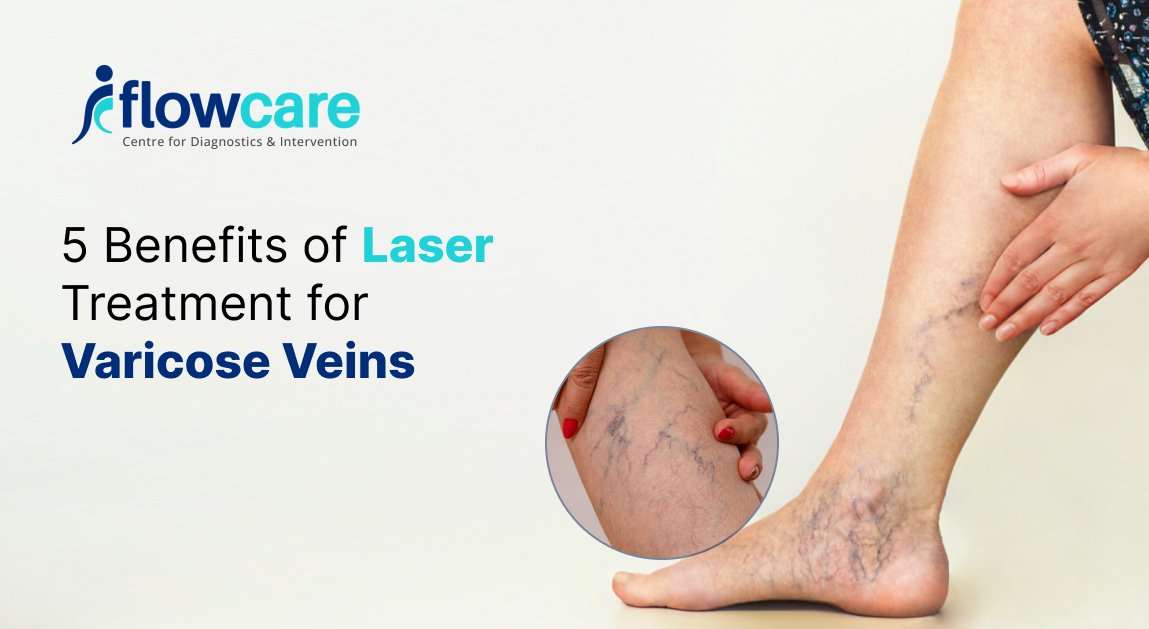
Varicose veins occur when veins become enlarged, twisted, and visible under the skin, most commonly in the legs. They develop due to weakened or damaged valves that fail to regulate blood flow properly. Instead of moving upward toward the heart, blood pools in the veins, causing pressure and enlargement.
Common causes include:
- Prolonged standing or sitting
- Aging
- Pregnancy
- Obesity
- Family history
- Hormonal changes
Ignoring varicose veins can lead to worsening symptoms, skin discoloration, eczema, bleeding, or venous ulcers over time.
What Is Laser Therapy for Varicose Veins?
Laser therapy is a modern, non-surgical treatment that uses focused laser energy to close off affected veins. Once sealed, blood naturally reroutes to healthier veins, improving circulation and relieving symptoms.
The treated vein is gradually absorbed by the body, eliminating its appearance and associated discomfort. The procedure is typically performed under local anesthesia and does not require stitches or hospital stays.
How the Laser Procedure Works
The laser treatment process is simple and efficient:
- Ultrasound guidance is used to locate the damaged vein accurately.
- A thin laser fiber is inserted into the vein through a small puncture.
- Controlled laser energy is delivered, causing the vein to collapse and seal.
- Blood flow automatically shifts to nearby healthy veins.
- The sealed vein is naturally absorbed by the body over time.
The entire procedure usually takes less than an hour.
Key Benefits of Laser Treatment
Laser therapy has become increasingly popular due to its many advantages over traditional surgery.
1. Minimally Invasive
No large cuts or stitches are involved, reducing trauma to the skin and tissues.
2. Quick Recovery
Most patients return to daily activities within 24–48 hours.
3. Minimal Pain
Discomfort during and after the procedure is significantly lower compared to surgery.
4. No Hospitalization
Laser treatment is typically done as an outpatient procedure.
5. Excellent Cosmetic Results
There is little to no scarring, and visible veins fade gradually.
Who Is an Ideal Candidate?
Laser therapy is suitable for most patients with symptomatic varicose veins. You may be an ideal candidate if you experience:
- Leg pain, heaviness, or fatigue
- Swelling around ankles or calves
- Visible bulging veins
- Skin discoloration or itching
- Non-healing ulcers caused by venous disease
A vascular specialist will perform a detailed ultrasound evaluation to determine whether laser therapy is the right option for you.
Is Laser Treatment Safe?
Yes, laser therapy is considered a safe and effective procedure when performed by experienced specialists. Complications are rare and usually minor, such as temporary bruising or mild tenderness.
With modern technology and proper post-procedure care, success rates are high, and patient satisfaction is excellent.
Post-Treatment Care and Recovery
Recovery after laser therapy is smooth and straightforward.
After the procedure, patients are advised to:
- Walk regularly to promote circulation
- Wear compression stockings for a few days
- Avoid heavy lifting or intense workouts temporarily
- Stay hydrated and maintain an active lifestyle
Most symptoms begin improving within days, while cosmetic results continue to enhance over several weeks.
Laser Therapy vs Traditional Surgery
| Feature | Laser Therapy | Traditional Surgery |
|---|---|---|
| Incisions | Minimal | Large cuts |
| Anesthesia | Local | General |
| Hospital Stay | Not required | Required |
| Recovery Time | 1–2 days | Weeks |
| Scarring | Minimal | Visible scars |
This comparison highlights why laser therapy has become the preferred choice for modern varicose vein management.
Long-Term Results and Effectiveness
Laser treatment offers long-lasting relief when combined with lifestyle changes such as regular exercise, weight management, and avoiding prolonged standing. While treated veins do not return, new varicose veins can develop over time, making periodic follow-ups important.
Early intervention always leads to better outcomes.
Why Early Treatment Matters
Delaying treatment can lead to:
- Increased pain and swelling
- Skin damage and pigmentation
- Risk of ulcers and blood clots
- Reduced quality of life
Addressing varicose veins early with advanced solutions prevents complications and restores comfort and confidence.
Conclusion
Varicose veins no longer need to be endured or treated with invasive surgery. Laser therapy has revolutionized vein care by offering a safe, effective, and patient-friendly solution. With minimal discomfort, quick recovery, and excellent cosmetic results, it allows individuals to return to an active lifestyle without prolonged downtime.
