
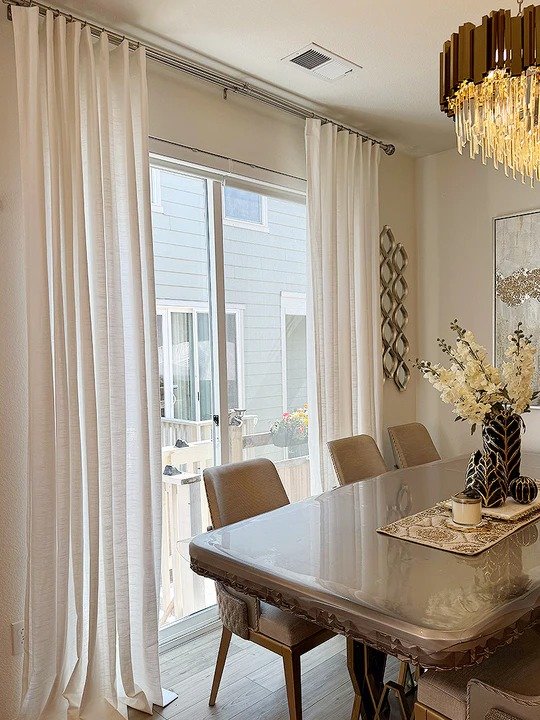
Linen Fabric has long been admired as a textile that effortlessly balances refinement with authenticity. Unlike overly processed materials that chase perfection, linen embraces subtle irregularities—tiny slubs, gentle creases, and organic texture—that give it unmistakable character. This fabric does not attempt to impress loudly; instead, it communicates elegance through quiet confidence, making it a cornerstone of contemporary design and timeless living spaces.
Rooted in nature and elevated by craftsmanship, linen fabric continues to captivate designers, homeowners, and artisans who value comfort, longevity, and aesthetic harmony.
The Natural Origin of Linen Fabric:
Linen fabric is derived from the fibers of the flax plant, a resilient crop that thrives with minimal environmental intervention. This origin gives linen its eco-conscious identity and distinguishes it from synthetic counterparts. The process of transforming flax into linen involves careful harvesting, retting, spinning, and weaving—each stage contributing to the fabric’s distinctive texture and strength.
What emerges is a textile that feels alive, breathable, and grounded. Linen fabric carries the imprint of nature in every thread, offering a tactile experience that feels both calming and sophisticated.
Why Linen Fabric Feels Different?
The sensation of linen against the skin or within a living space is instantly recognizable. It is cool to the touch, airy in movement, and remarkably adaptive to changing temperatures. During warm seasons, linen allows air to circulate freely; in cooler months, it provides subtle insulation without heaviness.
This natural climate-balancing quality makes linen fabric especially suitable for Modern Curtains, bedding, upholstery, and relaxed apparel. Unlike materials that trap heat or cling uncomfortably, linen creates a breathable environment that encourages ease and relaxation.
A Visual Language of Texture and Light:
Linen fabric does not rely on shine or artificial gloss. Its beauty lies in its matte finish and tactile depth. Light interacts gently with linen, producing soft shadows and a muted glow that enhances architectural details rather than overpowering them.
When used in Modern Curtains, linen filters daylight in a way that feels organic and intentional. Sunlight becomes diffused, creating a warm, welcoming ambiance that shifts naturally throughout the day. This subtle light control is one of the reasons linen remains a preferred choice for contemporary interiors.
Linen Fabric in Modern Curtains:
Modern design often favors restraint, balance, and natural materials—and linen fabric aligns perfectly with this philosophy. Linen curtains offer movement without drama, structure without stiffness, and elegance without excess.
Designers frequently choose linen for Modern Curtains because it complements both minimalist and layered spaces. Neutral tones, earthy palettes, and monochromatic interiors all benefit from linen’s understated presence. The fabric softens sharp lines, enhances spatial flow, and introduces a sense of calm order.
Strength Beneath the Softness:
Despite its relaxed appearance, linen fabric is exceptionally durable. Flax fibers are naturally strong, making linen more resistant to wear than many other natural textiles. Over time, linen becomes softer without losing integrity—a quality that transforms everyday items into long-lasting essentials.
This resilience makes linen ideal for high-use applications such as curtains, cushions, slipcovers, and upholstery. Rather than deteriorating, linen matures, developing a lived-in beauty that feels authentic and comforting.
A Fabric That Ages Gracefully:
One of linen’s most remarkable traits is how it evolves. Each wash, each fold, each exposure to light enhances its character. Wrinkles are not flaws in linen fabric—they are part of its identity. These natural creases signal relaxation, honesty, and effortless style.
In a world increasingly drawn to perfection, linen offers a refreshing alternative: beauty through imperfection. This philosophy resonates strongly in modern homes that prioritize warmth over rigidity.
Sustainability and Conscious Living:
Linen fabric holds a respected place in sustainable design. The flax plant requires less water than many other crops and thrives without heavy chemical treatments. Additionally, every part of the flax plant can be used, reducing waste and maximizing efficiency.
For homeowners and designers seeking environmentally responsible materials, linen represents a thoughtful choice—one that aligns comfort, aesthetics, and ecological awareness.
Versatility Beyond Curtains:
While linen shines in window treatments, its versatility extends far beyond. Linen fabric appears in table linens, bed sheets, cushion covers, wall panels, and upholstered furniture. It adapts effortlessly to different functions while maintaining its signature texture and elegance.
In layered interiors, linen pairs beautifully with wood, stone, metal, and woven elements. Its ability to bridge rustic charm and modern refinement makes it a truly adaptable textile.
Care and Maintenance Made Simple:
Caring for linen fabric is refreshingly uncomplicated. It responds well to gentle washing and improves with regular use. Linen does not demand perfection—it invites ease. Avoiding excessive heat and harsh chemicals helps preserve its fibers, but overall, linen is forgiving and resilient.
This ease of maintenance adds to its appeal, especially for Modern Curtains and everyday household textiles.
Why Linen Fabric Remains Timeless?
Trends come and go, but linen fabric remains constant. Its appeal transcends seasons, styles, and generations. It speaks to those who value authentic materials, thoughtful design, and sensory comfort.
Linen is not merely a decorative element; it is an experience. It shapes how a room feels, how light moves, how comfort is perceived. It supports a lifestyle rooted in calm, balance, and natural beauty.
Final Reflection:
Linen Fabric stands as a testament to nature’s ability to create enduring elegance. Its breathable structure, tactile richness, and sustainable origins make it a powerful presence in modern interiors. Whether flowing softly as Modern Curtains or grounding a space through upholstery and accents, linen delivers refinement without excess.
In choosing linen, one does not simply select a fabric—one embraces a philosophy of living well, simply, and beautifully.
