
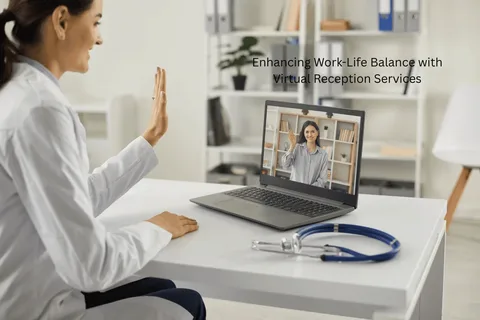
Online therapy in Pakistan is becoming a practical solution for people who want mental health care without high costs or long waiting times. Rising stress levels, economic pressure, and limited access to specialists have made traditional therapy difficult for many individuals. Digital mental health options now allow people to receive professional support through their phones or laptops while managing their daily responsibilities. This shift is helping normalize mental health care and making it more accessible across different income groups.
According to national health estimates, Pakistan has a large treatment gap for mental health, with a significant percentage of people unable to access professional care due to affordability and location issues. Online mental health services in Pakistan aim to reduce this gap by offering flexible and lower-cost alternatives.
Why Affordable Mental Health Care Matters
Mental health challenges affect productivity, relationships, and physical well-being. Studies conducted in Online therapy in Pakistan anxiety and depression contribute to absenteeism, reduced work performance, and long-term health issues. Despite this, therapy is often seen as a luxury rather than a necessity.
Affordable care makes early intervention possible. When people can seek help without financial strain, they are more likely to address issues before they become severe. This is where online counseling services are changing the landscape by offering cost-effective options while maintaining professional standards.
How Virtual Therapy Sessions Work
Virtual therapy sessions are conducted through secure video calls, audio sessions, or text-based communication. After registering on a digital mental health platform, users typically complete an intake form that helps identify their concerns and goals. Based on this information, they are matched with a therapist who fits their needs.
Sessions usually last between 30 and 60 minutes and follow structured therapeutic approaches such as cognitive behavioral therapy or supportive counseling. Research published in international mental health journals indicates that virtual therapy sessions can be as effective as in-person therapy for common conditions like stress, anxiety, and mild depression when delivered consistently.
Licensed Therapists in Pakistan and Professional Standards
Quality care depends on qualified professionals. Reputable platforms offering online therapy work with licensed therapists in Pakistan who have recognized degrees in psychology, counseling, or psychiatry. These therapists are trained to follow ethical guidelines and evidence-based practices.
Many platforms also require continuous supervision and regular evaluations to ensure quality. This structure helps maintain trust and ensures that users receive guidance that is both professional and culturally relevant.
Confidential Online Counseling and User Trust
Privacy concerns often prevent people from seeking therapy. Confidential online counseling addresses this issue by using encrypted communication systems and strict data protection policies. Personal information and session content remain private and are not shared without consent.
For individuals living in joint family systems or small communities, privacy is a major factor. Online platforms allow users to attend sessions discreetly, which encourages more people to seek help without fear of social judgment.
Digital Mental Health Platforms and Mobile Access
Digital mental health platforms are designed to simplify access to care. In addition to therapy sessions, many platforms offer self-assessment tools, educational content, and mental health tracking features. These tools help users monitor their progress and stay engaged between sessions.
Mobile accessibility is a key factor in Pakistan, where smartphone usage continues to grow. Most platforms provide easy access through a play store link allowing users to download the app, book sessions, and receive notifications. This convenience supports consistent engagement and follow-through.
Online Therapy in Pakistan as a Cost-Effective Option
At the center of the discussion on affordability, online therapy in Pakistan stands out as a cost-effective alternative to traditional clinics. Online services often have lower operational costs, which allows them to offer therapy sessions at reduced rates. Some platforms provide subscription plans, bundled sessions, or discounted options for students and low-income users.
Clinical observations and platform data show higher session attendance and lower dropout rates when therapy is affordable and flexible. This improves outcomes and makes mental health care more sustainable for both users and providers.
Who Can Benefit from Online Mental Health Support
Mental health support online is suitable for a wide range of individuals. Students facing academic pressure, professionals dealing with burnout, parents managing family responsibilities, and individuals experiencing relationship stress can all benefit. It is also helpful for people seeking emotional support during life transitions.
However, ethical platforms clearly state that severe psychiatric conditions may require in-person treatment or medical intervention. Online therapy works best as a primary or complementary option for mild to moderate concerns.
The Role of Online Mental Health Services in Pakistan
Online mental health services in Pakistan are helping bridge the gap between demand and availability. With fewer mental health professionals per capita compared to global averages, digital platforms allow therapists to reach more people efficiently. This scalability is important for addressing the country’s growing mental health needs.
Data from global health organizations suggests that integrating digital mental health solutions into healthcare systems can significantly improve access and early intervention rates. Pakistan’s increasing internet coverage makes this integration more feasible than ever.
Looking Ahead at Affordable Digital Care
The future of mental health care in Pakistan will likely involve a blend of traditional and digital approaches. As awareness grows and stigma decreases, more people will view therapy as a routine part of health care. Affordable online services can play a major role in this shift.
By focusing on accessibility, privacy, and professional standards, digital platforms can continue to support individuals who might otherwise go without care. Online therapy is not a replacement for all forms of treatment, but it is a practical and scalable solution for improving mental well-being across the country.
