
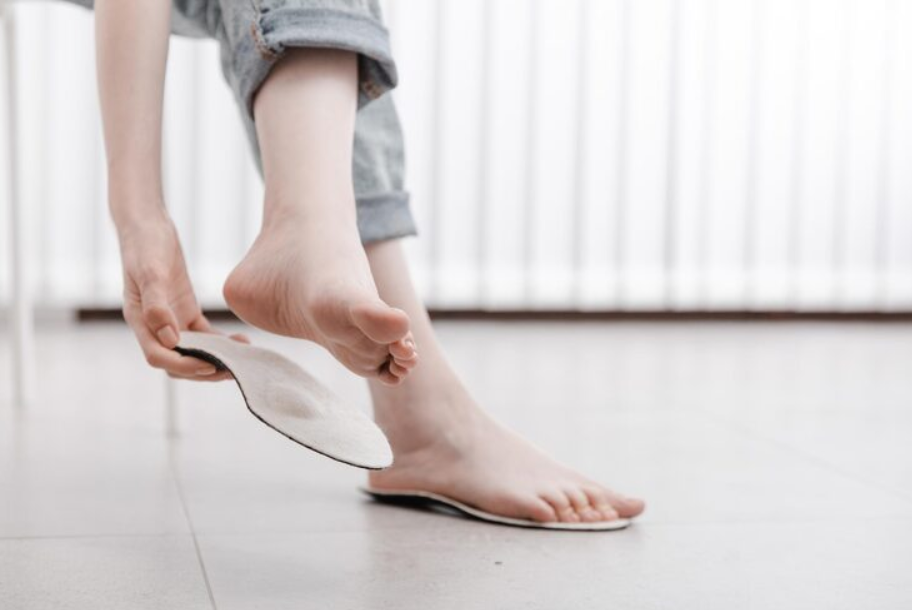
When your feet flatten under your weight, they shift your body’s balance. Flat feet often upset how you walk, strain your joints, and cause pain in your knees or back. Many people with this condition often feel sore after walking or standing for long periods. You can ease this pain when you wear the right orthopedic insoles for flat feet.
Feet with fallen arches need strong, steady support to guide each step. A good insole for flat feet does more than sit in your shoe. It lifts your arch, cushions pressure, and spreads weight to relieve stress.
These insoles shape how your feet move. They guide motion, stop extra rolling, and carry weight where your feet need help. Orthopedic insoles hold your steps firm and keep your body from tiring too soon.
How Flat Feet Affect Movement
Your feet support your body with every movement you make. When your arch falls or flattens, it also rolls inside too far. This is called overpronation. Eventually, it affects the ankles, knees, hips, and back.
Your feet apply uneven pressure to the ground. Your toes dig in deeper. Ankles turn inwards. Knees rotate. Your hips become misaligned. It all starts with flat feet.
An arch support insole that works well with flat feet will help raise your arch, support your heel, and regulate the way in which your foot touches the ground. This will allow your foot to go back along a normal path while maintaining a balance in your steps.
What Makes an Insole Effective for Flat Feet
All insoles don’t work the same way. When you have flat feet, you must search for ones with firm, stable parts. You need more than just soft padding.
Pick insoles that:
- Hold a stiff arch to stop flattening
- Cup the heel to avoid tilting.
- Absorb each footstep with a soft layer.s
- Keep their shape without bending.g
- Let air pass to cool the foot.
These features help your feet move better. They spread pressure and prevent overuse. With each step, they carry your foot the right way.
Insole for Flat Feet vs Insole for High Arch
Flat feet and high arches don’t behave the same. They need different types of help. A flat-footed foot rolls too much, while a high-arched foot doesn’t roll enough.
You need a strong insole for flat feet that lifts and holds. It must guide your step and control how your foot moves. A high-arch insole needs more padding under the heel and toes to soften the hit from walking.
Flat foot insoles feel stiffer. High arch insoles bend more. That’s because they support opposite needs.
Check your foot type before choosing. A foot expert can measure your arch and show you what kind of insole for high arch works best.
How Orthopedic Insoles for Flat Feet Help Every Day
Orthopedic insoles fix how your feet move. They ease your steps and calm your body. When you wear the right pair, your day can feel much smoother.
They help by:
- Smoothing out each step
- Letting you stand longer with less ache
- Keeping ankles from rolling
- Aligning your knees better
- Lessening back strain
- Making your shoes wear evenly
The insole reshapes your walk. It softens how your foot lands. It shifts pressure to places that handle it better.
You may not notice right away, but your body starts to work more easily with every step.
Materials That Matter in Orthopedic Insoles
Insoles contain special layers. They use strong materials that hold shape even when you walk all day. The best ones support the foot while keeping it cool and dry.
Most use:
- EVA foam for bending and lightness
- Plastic shells to hold the arch in place
- Gel pads to soften the heel and toes
- Dry top covers to stop sweat and odor.
These materials come together to form a steady, cool, and lasting insole that helps you move without pain.
Who Should Use Orthopedic Insoles for Flat Feet
You don’t need to wait for sharp pain to try insoles. Many signs show when your foot needs support. People often ignore these signs until the ache grows worse.
Use orthopedic insoles if you:
- Feel sore after standing too long
- Struggle with knee or hip pain.
- Notice your feet roll when walking.
- Work jobs that need long hours on your feet
- Lose balance or tire quickly.y
Good insoles guide your foot. They take pressure off weak spots and push your step into the right form.
Tips to Make the Most of Your Insoles
Once you place your insoles in your shoes, you must wear them the right way. Follow these tips to make them last longer and work better.
- Fit them into firm shoes with deep insides.
- Wear them for short hours at first to adjust.
- Wipe them often to keep them clean.
- Replace them if they lose shape or get worn out.
- Keep them in dry places to avoid damage.
Insoles work best when you wear them every day. Don’t switch back and forth. Keep them in all shoes you use for walking or standing.
The Role of Professionals in Selecting Insoles
Buying insoles without help may not give the right results. Experts check how you stand, walk, and shift weight. They use scans or tools to spot your weak points.
At clinics like LifeForceHub, trained teams create custom insoles that fit your foot shape. These experts understand how to match materials, angles, and curves to your needs.
Their advice helps you avoid waste, reduce pain, and find relief faster.
Why Shoe Type Still Matters
Shoes help insoles do their job. Even the best insole for high arch can’t fix poor footwear. Flat shoes or loose ones may stop the insole from working properly.
Good shoes should:
- Hold firm and do not twist
- Grip your heel without slipping.
- Give enough space for the insole.
- Keep the insole flat and tight.t
The shoe’s outer shell and the insole inside must work together. This teamwork helps your foot stay upright and your body move smoothly.
Conclusion
You don’t have to put up with tired, achy feet. The proper insoles for flat feet can correct more than just discomfort. They can lead your feet, hold up your arch, and support your legs from exhaustion. If your body is in constant motion, standing for prolonged periods, and walking in pain, powerful insoles for flat feet can turn your body into a well-oiled machine. Their design will support your heel, lift your arch, and lead your steps gently. You can walk strongly, feel stable, and stand longer without your feet aching. Begin by using the insole designed to help your specific problem in your feet, wearing it daily.
Frequently Asked Questions
What are orthopedic insoles for flat feet made of?
They mix foam, gel, and hard plastic to support the arch, ease pressure, and hold the foot steady.
Can I wear the same insole in all my shoes?
Yes, as long as your shoes are deep and firm enough to hold the insole flat and tight.
Do I need an insole for high arch or flat feet?
Wet your foot and step on paper. If you see the full foot, you likely have flat feet. If only your heel and toes show, you may have high arches.
Do insoles cure flat feet?
No, but they fix how your foot moves. They help reduce pain, keep joints in place, and stop long-term damage.
