
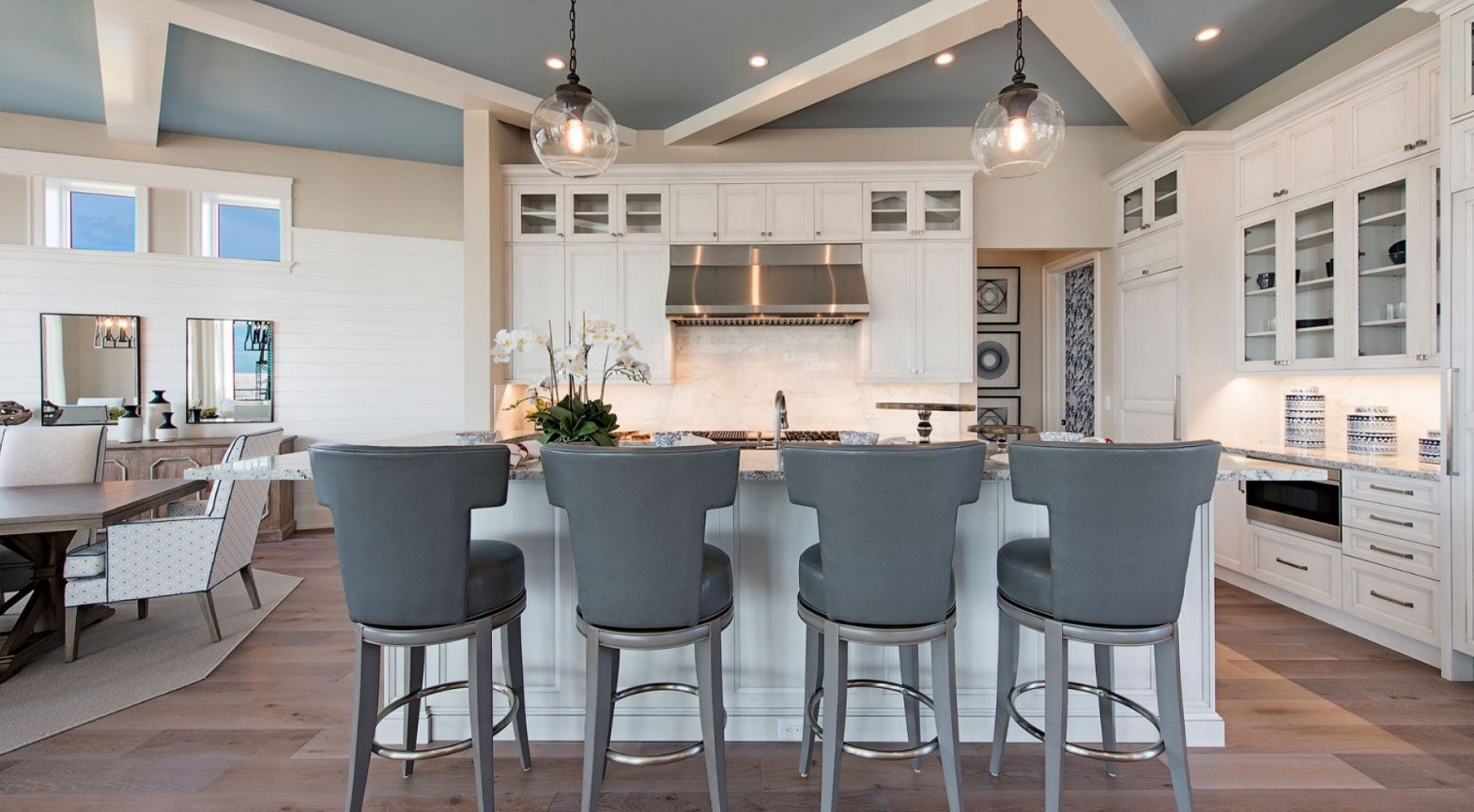
While many homeowners view primer as an optional step or a marketing gimmick, professional painters know it is the literal foundation of a flawless finish. If you are considering Interior Painting in Naples, FL, understanding the science behind surface preparation is the difference between a wall that looks fresh for a decade and one that starts peeling within months. Primer isn’t just “white paint”; it is a specialized resin-based coating designed to solve specific substrate problems that topcoats simply aren’t equipped to handle.
The Foundation of Adhesion: Why Paint Needs a Grip
The primary role of a primer is to act as a bridge between the raw surface and your chosen paint color. Raw materials like drywall, wood, and masonry are inherently porous. Without a primer, these surfaces will “drink” the moisture out of your expensive latex or oil-based paint, leading to an uneven, blotchy appearance known as “flashing.”
When Fancy Painters LLC approaches a project, we treat the priming phase as a bonding agent. High-quality primers contain more solids and resins than standard paint, allowing them to bite into the surface and provide a uniform “tooth” for the topcoat to cling to. This is especially vital in the high-humidity environment of Southwest Florida, where moisture in the air can compromise the bond of low-quality applications.
Blocking Stains and Neutralizing Odors
One of the most overlooked benefits of proper primer application is its ability to seal in permanent stains. Whether you are dealing with water damage marks, tannin bleed from wood trim, or leftover crayon marks in a child’s bedroom, standard paint will not hide them. These stains eventually migrate through the new layers, ruining your investment.
- Stain-Killing Primers: These create a non-porous barrier that prevents chemicals from leaching upward.
- Odor Neutralization: If you are moving into a home that previously had smokers or pets, specialized shellac-based primers can seal in smells that would otherwise linger for years.
Ensuring Color Accuracy and Uniformity
What You Should Know about deep or vibrant colors is that they often require a tinted primer to achieve the desired look. If you are switching from a dark navy blue to a soft cream, or vice versa, applying paint directly will require four or five coats to get full opacity.
A professional primer application allows for:
- Reduced Paint Consumption: By sealing the surface first, you use less of your premium finish paint.
- True Color Representation: Primer provides a neutral canvas, ensuring the $80-a-gallon designer paint looks exactly like the swatch you picked out.
- Consistent Sheen: Without primer, some areas of the wall may look matte while others look glossy because the surface absorbed the paint unevenly.
Navigating the Naples Climate: Humidity and Surfaces
In our local region, Interior Painting in Naples, FL, requires a specific focus on mold and mildew resistance. The tropical climate means that interior walls—especially those in bathrooms, kitchens, or laundry rooms—are constantly exposed to varying levels of moisture.
Using a high-quality antimicrobial primer provides an extra layer of defense against fungal growth behind the paint film. This is a critical step for long-term home maintenance and indoor air quality. Furthermore, many homes in the area feature diverse textures, from smooth Level 5 drywall to heavy knockdown or orange peel textures. A dedicated primer fills the microscopic voids in these textures, creating a smooth surface that allows the final color to glide on effortlessly.
Choosing the Right Primer for the Task
Not all primers are created equal, and using the wrong one can be just as detrimental as using none at all. Professionals categorize primers based on the specific problem they solve:
Primer Type Best Use Case Key Benefit
PVA (Polyvinyl Acetate) New Drywall Seals porous paper and joint compound
Oil-Based Wood, Metal, Stained Walls Prevents tannin bleed and rust
Shellac-Based Severe Water/Smoke Damage is best for total stain and odor blocking
Bonding Primers Glass, Tile, Glossy Cabinets Sticks to “slick” surfaces without sanding
The Long-Term ROI of Proper Prep
Skipping the primer might save you a few hours and a hundred dollars today, but the long-term costs are significantly higher. When paint fails because it wasn’t primed, it doesn’t just fade—it cracks, bubbles, and peels away in sheets. Fixing a failed paint job requires intensive scraping, sanding, and labor-intensive repairs that far exceed the cost of doing it right the first time.
By investing in a professional-grade primer application, you are essentially “future-proofing” your walls. The finish remains durable against scuffs, it stands up better to cleaning and scrubbing, and it maintains its structural integrity through the seasonal shifts in temperature and humidity.
Professional Standards in Surface Preparation
At the end of the day, a beautiful interior is 70% preparation and 30% application. When homeowners look for residential painting services or local house painters, they are often looking for the end result. However, the “magic” happens in the hidden layers.
Professional crews prioritize:
- Cleaning: Removing dust and oils so the primer can bond.
- Patching: Filling holes with spackle, which must be primed to prevent the patch from showing through the paint.
- Sanding: Lightly scuffing surfaces between primer and topcoat for a “glass-like” feel.
Understanding these technical nuances is what separates a DIY attempt from a high-end architectural finish. Whether you are updating a modern condo on the Gulf or a classic estate in Pelican Bay, the primer is the unsung hero of your home’s aesthetic.
