
Maintaining healthy soil is essential for productive farming and sustainable agriculture. Soil is more than just dirt; it is a living system that supports plant growth, stores nutrients, and regulates water. Over time, soil can become depleted or damaged due to poor management, overuse, and environmental stress. This is where a soil health consultant becomes invaluable. These experts provide practical guidance that helps farmers improve soil fertility, boost crop productivity, and maintain long-term sustainability.
What Is a Soil Health Consultant?
A soil health consultant is a professional who evaluates farmland and provides tailored strategies to improve soil quality. They analyze soil composition, nutrient levels, structure, and microbial activity. Using this information, they guide farmers on best practices to restore and maintain soil health.
Unlike general advice, a soil health consultant delivers customized solutions based on scientific analysis and real-world farming conditions. Their recommendations cover everything from nutrient management to soil structure improvement, pest control, and sustainable farming practices.
Why Healthy Soil Is Vital
Healthy soil is the foundation of successful agriculture. It ensures that crops receive adequate nutrients, water, and support for root development. Poor soil health can lead to:
- Reduced crop yields
- Increased susceptibility to pests and diseases
- Soil erosion and compaction
- Excessive reliance on chemical fertilizers
- Environmental degradation
A soil health consultant helps farmers identify these problems and develop practical solutions to restore soil vitality.
How a Soil Health Consultant Supports Cropland
1. Soil Testing and Analysis
The first step is a thorough soil assessment. Consultants collect soil samples from different areas of the farm and analyze them for:
- pH levels
- Nutrient content (nitrogen, phosphorus, potassium, and trace minerals)
- Organic matter percentage
- Soil structure and compaction
- Microbial activity
This analysis provides a clear understanding of the soil’s strengths and weaknesses, allowing farmers to make informed decisions.
2. Nutrient Management
Based on soil test results, a soil health consultant develops a nutrient management plan. This plan ensures crops receive the right type and amount of nutrients at the right time. Proper nutrient management helps:
- Increase crop yields
- Reduce waste and unnecessary fertilizer costs
- Prevent nutrient runoff and environmental damage
3. Improving Soil Structure
Compacted or poorly structured soil limits root growth and water movement. A soil health consultant recommends techniques such as:
- Reduced tillage to prevent soil disturbance
- Cover cropping to enhance soil structure
- Adding organic matter to increase aggregation and porosity
These practices improve water infiltration, root development, and overall crop health.
4. Enhancing Organic Matter
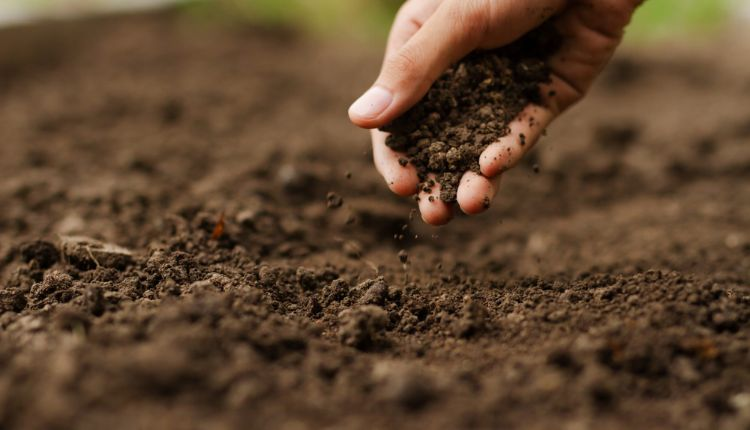
Organic matter is essential for healthy soil. It provides nutrients, supports beneficial microbes, and improves soil water retention. Consultants guide farmers on adding organic amendments such as compost, crop residues, or manure to maintain fertility and productivity.
5. Supporting Beneficial Microbes
Soil microorganisms play a key role in nutrient cycling and plant health. A soil health consultant advises on practices that support microbial diversity, such as minimal chemical use, crop rotation, and organic amendments. Healthy microbial populations improve nutrient availability and reduce disease pressure.
6. Sustainable Water Management
Efficient water use is critical for healthy cropland. Consultants provide guidance on irrigation practices and soil amendments that enhance water retention. Healthy soils with good structure absorb water more effectively, reducing drought stress and preventing waterlogging.
7. Integrated Pest and Disease Management
A soil health consultant also helps farmers manage pests and diseases naturally. Healthy soil supports stronger plants that resist stress, reducing the need for chemical pesticides. Techniques like crop rotation and maintaining microbial balance can limit disease outbreaks and promote long-term productivity.
Practical Benefits for Farmers
By following the guidance of a soil health consultant, farmers gain multiple benefits:
- Increased crop yields: Healthier soil supports stronger, more productive crops.
- Cost savings: Targeted fertilization and reduced chemical inputs lower expenses.
- Environmental protection: Sustainable soil practices reduce erosion, runoff, and pollution.
- Long-term productivity: Maintaining soil health ensures future generations can continue farming successfully.
- Improved resilience: Healthy soils help crops withstand extreme weather and environmental stress.
Implementing Recommendations
A soil health consultant provides not only advice but also practical steps for implementation. Farmers can follow clear guidelines for:
- Adjusting fertilizer use
- Adding organic amendments
- Rotating crops and planting cover crops
- Modifying tillage and irrigation methods
- Monitoring soil health regularly
Regular follow-ups from the consultant ensure that practices are effective and adapted to changing conditions.
Real-World Impact
Farms that implement soil health consulting strategies often see measurable improvements. Reports show higher crop yields, better soil structure, and reduced need for chemical inputs. Farmers also notice improved water retention and healthier plants, which contribute to long-term sustainability and profitability.
Conclusion
Healthy soil is the cornerstone of productive and sustainable agriculture. A soil health consultant provides practical guidance that helps farmers restore fertility, improve crop yields, and maintain a balanced ecosystem. Through soil testing, nutrient management, organic matter addition, and sustainable practices, consultants empower farmers to make informed decisions that benefit both their land and their bottom line.
Investing in soil health consulting is an investment in the future of the farm. By maintaining healthy cropland, farmers can achieve consistent productivity, reduce environmental impact, and ensure that their land remains fertile and productive for generations to come.
