
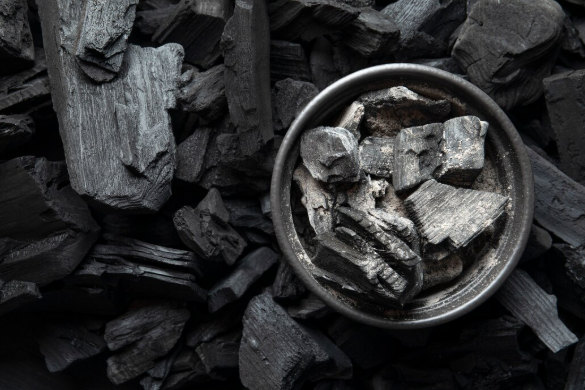
Coal has been a cornerstone of energy production for centuries, powering industries, homes, and transportation across the globe. However, the environmental consequences of coal combustion have sparked significant concerns in recent decades. Traditional coal, while abundant and cost-effective, contributes substantially to air pollution, greenhouse gas emissions, and climate change. As a response to these challenges, smokeless coal has emerged as an alternative designed to minimize harmful emissions. In this article, we explore the environmental impact of smokeless coal compared to regular coal, considering factors such as air quality, carbon emissions, public health, and overall sustainability.
Understanding Regular Coal
Regular coal, also known as bituminous or anthracite coal, is a fossil fuel formed from the remains of ancient plants and organic matter compressed over millions of years. Its high carbon content makes it an efficient fuel, but burning coal releases a significant amount of pollutants into the atmosphere.
Composition and Types
Regular coal comes in different grades based on carbon content and energy density:
- Anthracite Coal: The highest carbon content (86–97%), burns hot and clean but is relatively scarce.
- Bituminous Coal: Contains 45–86% carbon, widely used for electricity generation.
- Sub-bituminous and Lignite Coal: Lower carbon content (25–45%), higher moisture content, and often less energy-efficient.
Regardless of the type, burning regular coal releases several harmful substances including carbon dioxide (CO₂), sulfur dioxide (SO₂), nitrogen oxides (NOx), and particulate matter (PM).
Environmental Concerns
- Air Pollution: Traditional coal combustion produces large amounts of smoke and fine particulate matter. These pollutants contribute to smog formation, acid rain, and respiratory diseases.
- Greenhouse Gas Emissions: Coal is one of the largest contributors to CO₂ emissions globally. Excessive CO₂ accelerates climate change and contributes to global warming.
- Toxic Byproducts: Regular coal combustion can release heavy metals like mercury, arsenic, and lead, which contaminate soil, water, and ecosystems.
- Land Degradation: Coal mining can cause deforestation, soil erosion, and habitat destruction, further harming local biodiversity.
Introduction to Smokeless Coal
Smokeless coal, often referred to as “clean coal” for domestic heating purposes, is engineered to reduce smoke and harmful emissions when burned. It is typically made from anthracite coal, coal briquettes, or processed coal dust treated to enhance combustion efficiency.
Composition and Production
Smokeless coal is designed to burn hotter and cleaner than regular coal. Key features include:
- Low Volatile Content: Reduced volatile compounds lead to less smoke production.
- High Carbon Density: Higher energy efficiency per unit of coal burned.
- Additives and Binders: Some smokeless coal briquettes include natural binders or coal-derived additives to maintain shape and reduce ash.
Advantages Over Regular Coal
- Reduced Smoke Emissions: Smokeless coal produces minimal visible smoke, which improves air quality in residential and urban areas.
- Lower Particulate Matter: Fine particulates that cause respiratory and cardiovascular issues are significantly reduced.
- Efficient Combustion: Smokeless coal often burns longer and hotter, maximizing energy output while minimizing waste.
- Cleaner Ash: Produces less ash, which reduces the need for frequent cleaning and disposal.
Comparative Environmental Impact
Air Quality
The most immediate and noticeable environmental difference between smokeless coal and regular coal lies in air quality.
- Regular Coal: Produces dense smoke containing soot, unburned hydrocarbons, and toxic gases. This smoke contributes to urban smog, respiratory illnesses, and environmental damage.
- Smokeless Coal: Minimal smoke and reduced emissions of sulfur dioxide and nitrogen oxides. This is especially beneficial in areas prone to air pollution, where domestic coal use contributes to poor air quality.
Studies have shown that switching from regular coal to smokeless alternatives can significantly reduce local air pollution, leading to fewer cases of asthma, bronchitis, and other respiratory conditions.
Greenhouse Gas Emissions
While smokeless coal reduces local pollutants, its impact on greenhouse gas emissions is more nuanced.
- Regular Coal: High carbon content and incomplete combustion can release more CO₂ per unit of heat produced. Methane, another potent greenhouse gas, can also be released during coal mining.
- Smokeless Coal: Generally burns more completely, which can slightly reduce CO₂ emissions per kilogram of coal. However, it is still a fossil fuel and does not eliminate carbon emissions.
Although smokeless coal is a cleaner-burning option, it is not a carbon-neutral solution. Reducing reliance on all fossil fuels remains essential for tackling climate change.
Health Implications
The health benefits of smokeless coal are significant, especially in domestic settings.
- Respiratory Health: Reduced particulate emissions mean fewer cases of asthma, chronic bronchitis, and other lung conditions.
- Cardiovascular Health: Particulate matter and airborne toxins from regular coal contribute to heart disease. Smokeless coal’s cleaner combustion reduces these risks.
- Indoor Air Quality: Traditional coal used in home heating can lead to dangerous indoor air pollution, while smokeless coal reduces smoke and harmful gas buildup.
These benefits are particularly critical in regions where coal is commonly used for home heating and where ventilation may be limited.
Ash and Waste Management
Ash produced from coal combustion can contain toxic metals and pose disposal challenges.
- Regular Coal: Produces large volumes of ash with higher levels of heavy metals, requiring careful handling to avoid soil and water contamination.
- Smokeless Coal: Generates less ash and lower concentrations of toxic elements, making waste disposal safer and more environmentally friendly.
Limitations of Smokeless Coal
Despite its advantages, smokeless coal is not without limitations:
- Carbon Emissions Remain: It still contributes to greenhouse gas emissions, meaning it does not solve climate change concerns.
- Cost: Smokeless coal is typically more expensive than regular coal, which can limit accessibility for low-income households.
- Resource Intensive: Production involves processing and additives, which may have environmental costs of their own.
- Supply Limitations: Not as widely available as regular coal, particularly in rural or developing regions.
Broader Environmental Considerations
When comparing smokeless coal and regular coal, it is important to consider the entire lifecycle, including mining, transportation, and combustion.
- Mining Impacts: Both types of coal involve significant mining activities, which can lead to habitat loss, water pollution, and soil erosion. However, smokeless coal sometimes uses processed coal waste, which may reduce some environmental burdens.
- Energy Efficiency: Smokeless coal often burns more efficiently, which can reduce the total quantity of coal needed and, in turn, lessen the environmental footprint.
- Long-Term Sustainability: While smokeless coal improves local air quality, it is not a sustainable energy solution. Transitioning to renewable energy sources is essential for long-term environmental protection.
Global and Policy Perspectives
Governments worldwide are recognizing the importance of reducing coal-related pollution. Policies promoting smokeless coal or other clean energy alternatives aim to:
- Improve urban air quality.
- Reduce health-related costs linked to coal pollution.
- Encourage energy efficiency in domestic heating.
Countries like the United Kingdom and parts of Europe have implemented smokeless zones, where only smokeless fuels are allowed for domestic use. These measures have led to measurable improvements in air quality and public health.
Conclusion
In summary, smokeless coal presents a cleaner, more efficient alternative to regular coal, particularly in terms of air quality, particulate reduction, and domestic health benefits. While it does not eliminate carbon emissions or solve all environmental challenges associated with coal, it significantly mitigates local pollution and respiratory hazards.
Comparing smokeless coal to regular coal highlights a crucial point: technological improvements can make traditional energy sources less harmful, but they cannot replace the need for long-term sustainable solutions. As the world continues to grapple with climate change and environmental degradation, smokeless coal serves as a transitional solution—a cleaner option that can bridge the gap while society shifts toward renewable energy, energy efficiency, and carbon-neutral technologies.
For individuals and policymakers, the message is clear: adopting smokeless coal can lead to immediate environmental and health benefits, but real progress requires a holistic approach to energy sustainability. Transitioning from regular coal to smokeless coal is a step in the right direction, but reducing fossil fuel reliance altogether remains the ultimate goal.
