
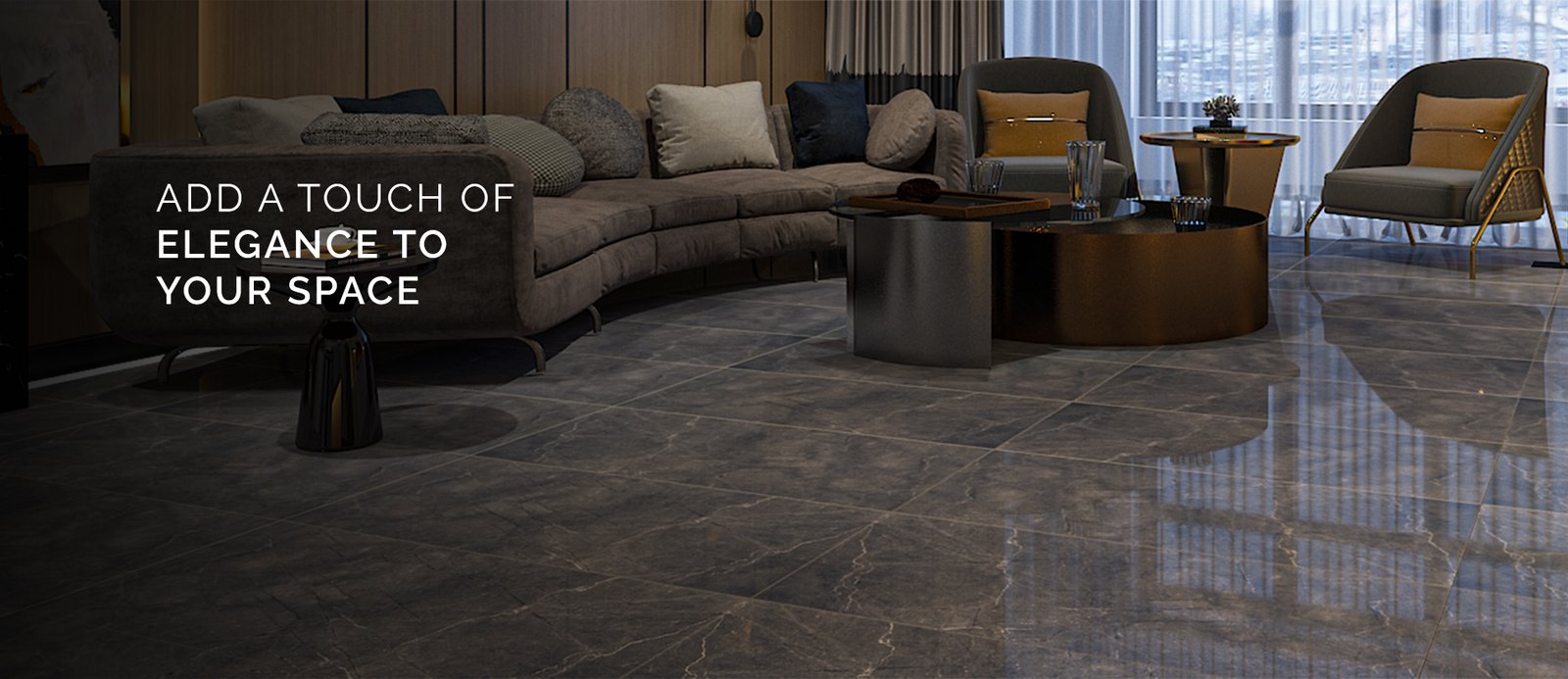
The living room is often the most used space in an Indian home. It is where guests are welcomed. It is where families sit together in the evening. It is also the first space that reflects your personal style. That is why choosing the right wall tiles design for living room matters more than ever.
In recent years, minimalism has become a strong design preference. Clean lines are being chosen. Soft tones are being preferred. Loud patterns are slowly being replaced with calm surfaces. If you are planning to upgrade your interiors, neutral and minimal wall tiles for living room can help you create a space that feels modern, spacious, and easy to maintain.
Let us explore how you can achieve that look.
Why Minimalism Works So Well in Living Rooms
Minimal design does not mean plain or boring. It means thoughtful and balanced. A minimalist living room feels open. Visual clutter is reduced. The mind feels calmer in such a space.
Neutral wall tiles help achieve this effect. Shades like beige, ivory, taupe, greige, and light grey are widely used. These colours do not compete with furniture or décor. Instead, they act as a soft background that allows other elements to stand out.
Have you noticed how a neutral wall makes the room feel bigger? That effect is created by light reflection and visual continuity.
Choosing the Right Colour Palette
When selecting wall tiles design for living room, colour is the first decision.
Light beige tiles can warm up a room without making it feel heavy. Soft grey tiles give a modern and balanced look. Off white or ivory tones help brighten spaces that receive less natural light.
Darker neutral tones like charcoal or deep taupe can also be used. However, they work best as feature walls. If used on all four walls, the space may feel smaller.
A good rule is simple. Keep three walls light and subtle. Let one wall carry a slightly deeper shade for contrast.
Texture Over Pattern
Minimal living rooms avoid busy prints. Instead of bold designs, texture is used to create interest.
You can choose:
- Stone inspired finishes
- Soft concrete looks
- Subtle linear textures
- Matte surfaces with light variation
These types of wall tiles for living room add depth without overwhelming the space. When light falls on textured tiles, gentle shadows are created. The room looks dynamic, even though the design remains simple.
In this approach, beauty is achieved through restraint.
Large Format Tiles for Seamless Appeal
Large format wall tiles are increasingly preferred in minimalist homes. Fewer grout lines mean a cleaner surface. The wall appears more continuous.
This works especially well in open plan living and dining areas. The fewer visual breaks you have, the more spacious the room feels.
If you want your living room to look refined and structured, large neutral tiles can help you achieve that goal.
Matching Tiles with Furniture
Neutral wall tiles design for living room pairs well with wooden furniture, fabric sofas, and metal accents.
For example:
Light grey tiles complement dark wood furniture.
Beige tiles work well with cream or brown sofas.
Taupe walls blend beautifully with black metal or brass details.
When tiles are neutral, it becomes easier to change cushions, curtains, or décor later. You will not feel restricted by bold backgrounds.
That flexibility makes neutral walls a long term design choice.
Matte vs Glossy Finish
Finish plays a major role in minimalist interiors.
Matte wall tiles are often preferred. They reduce glare and create a soft finish. The space feels more natural and comfortable.
Glossy tiles reflect light strongly. They can make small rooms appear brighter, but they may also highlight fingerprints or marks.
In most modern living rooms, matte or satin finishes are chosen for a balanced look.
Feature Walls the Minimal Way
Even in minimalist homes, a feature wall can be created. The difference is that it is subtle.
Instead of bold prints, consider:
- Slightly darker neutral tiles
- Stone look tiles with fine detailing
- Vertical textured tiles behind the TV unit
This approach keeps the room elegant. Attention is drawn gently, not loudly.
Have you ever entered a space that felt expensive without obvious decoration? That effect is usually achieved through texture and tone rather than heavy patterns.
Practical Benefits of Wall Tiles
Besides design, functionality matters. Paint can chip or stain. Wallpaper can peel. Tiles are easier to maintain.
Wall tiles resist dust and moisture. They can be cleaned with a damp cloth. In homes with children or pets, this becomes especially useful.
When high quality tiles are chosen, durability is improved. The wall remains fresh looking for years. Less maintenance is required.
Minimalism is not only about style. It is also about simplicity in upkeep.
Planning Before Installation
Before finalising your wall tiles for living room, consider the following:
- Measure the wall area carefully
- Check natural light during the day
- Test tile samples under your actual lighting
- Match grout colour closely with tile shade for a seamless look
When grout blends with the tile, the wall appears more continuous. This enhances the minimalist effect.
Conclusion: Create Calm Living Spaces with Somany Ceramics
Minimalist interiors focus on balance, comfort, and clarity. The right wall tiles design for living room helps you build that calm foundation. Neutral tones, soft textures, and large formats can transform your space without making it feel crowded.
If you are looking for reliable and stylish wall tiles for living room, Somany Ceramics offers a wide range of neutral and contemporary options. Their collections combine durability with thoughtful design, helping you achieve a refined look that lasts.
With the right tile selection, your living room can feel open, elegant, and timeless. Keep it simple. Keep it neutral. Let your walls speak quietly but confidently.
