
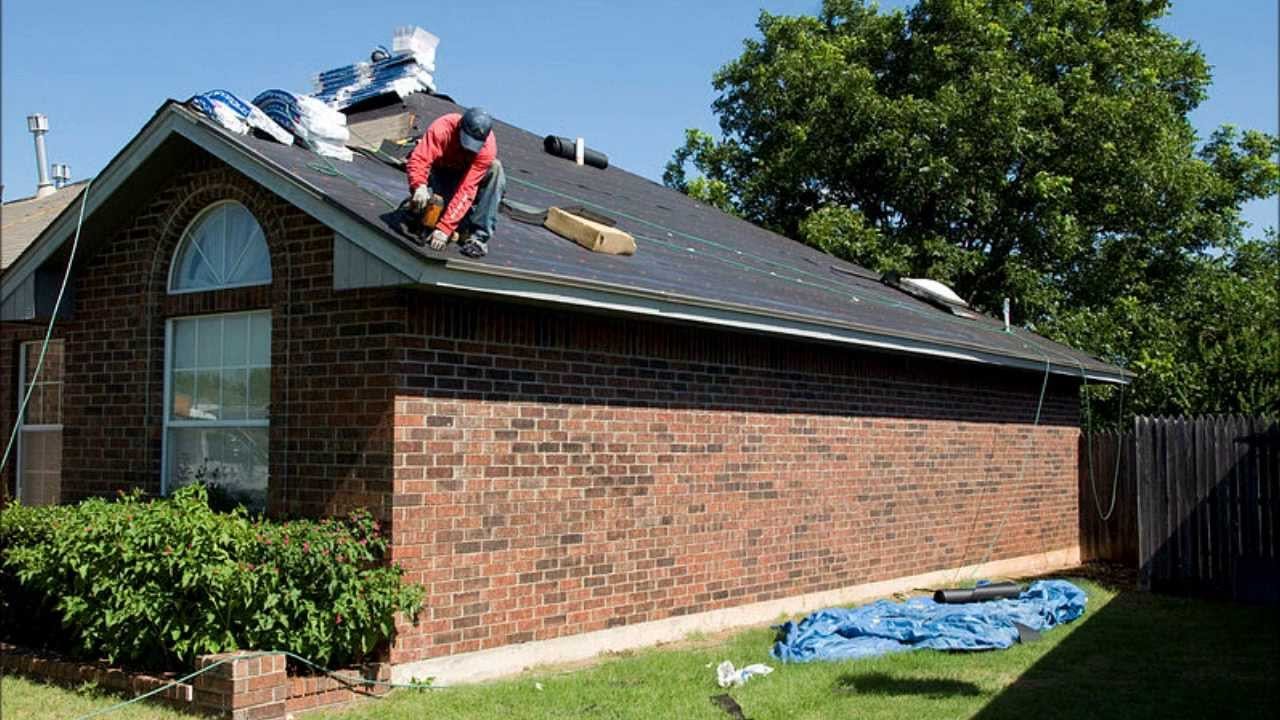
Your home is your sanctuary, and the roof is its primary shield against the elements. However, many homeowners overlook the subtle signals that their roofing system is under duress until a minor leak turns into a major structural disaster. Recognizing these red flags early can save you thousands of dollars in emergency restoration costs. When you notice persistent issues, seeking professional Roof Repair Services in Belleville, MI, is the most effective way to ensure your home remains dry and secure.
At Al’s Roofing & Repairs, we understand that a roof doesn’t just “fail” overnight; it provides clues through changing seasons. Whether it’s wind damage from a summer storm or ice damming in the winter, staying vigilant is key to long-term property maintenance.
1. Internal Water Stains and Ceiling Discoloration
One of the most obvious signs that your roof needs immediate attention is the appearance of dark, brownish circles or “puddling” marks on your ceiling or upper walls. This is a definitive sign that water has bypassed your shingle underlayment and is saturating your drywall.
- The Danger: By the time you see a spot on the ceiling, the insulation in your attic is likely already soaked. This creates a breeding ground for mold and mildew, which can impact your family’s respiratory health.
- The Action: Don’t wait for a “drip” to start. Moisture trapped in the ceiling can lead to a sudden collapse of the plaster or drywall.
2. Granule Loss and Clogged Gutters
If you’ve recently cleaned your gutters and found what looks like coarse black sand or pebbles, your shingles are reaching the end of their life cycle. These granules are designed to protect the asphalt from harsh UV rays.
When shingles lose their coating, they become brittle and crack under the sun’s heat. This is a common issue found during routine inspections by Roof Repair Services in Belleville, MI. If your gutters are overflowing despite being clear of leaves, the heavy accumulation of granules might be the culprit, signaling that a roof replacement or significant patching is on the horizon.
3. Curled, Cracked, or Missing Shingles
Take a moment to step back into your yard and look at the “slopes” of your roof. Are the edges of the shingles curling upward (cupping) or are the centers bulging (clawing)?
- Curling: Usually indicates that the shingles are drying out or that the attic has poor ventilation.
- Missing Shingles: High winds can easily peel away weakened tabs. A missing shingle is like a missing tooth in a zipper; it leaves a gap that allows driving rain to enter the wooden decking below.
- Cracked Shingles: Often caused by “thermal shock” as temperatures fluctuate. These cracks are direct pathways for water.
4. Sagging Roof Deck or Rafters
A sagging roofline is the most urgent warning sign a homeowner can encounter. If you notice a dip or a “swale” in the ridge of your roof, it suggests a structural problem rather than just a cosmetic one.
This usually happens due to long-term water damage that has rotted the roof decking (the plywood sheets) or weakened the support rafters. In snowy climates, a sagging roof is a high-risk candidate for a collapse under the weight of a heavy winter load. If your roofline looks anything less than perfectly straight, it requires an immediate assessment from a licensed roofing contractor.
5. Sudden Spikes in Energy Bills
Sometimes the signs of roof failure aren’t visible; they show up in your mailbox. If your heating or cooling costs have skyrocketed without a change in usage, your roof’s ventilation or insulation may be compromised.
A healthy roof acts as a thermal barrier. If the attic ventilation is blocked or the roof has holes, your HVAC system has to work twice as hard to maintain a consistent temperature. Addressing these leaks and airflow issues is a core part of comprehensive local roofing maintenance that keeps your home efficient.
6. Daylight Through the Attic Boards
You don’t always need to climb onto the roof to find a problem. On a sunny day, head up to your attic and turn off the lights. If you see “pinpricks” of sunlight coming through the roof boards, you have holes that are definitely letting in water and pests.
While a few small spots might seem harmless, they are an open invitation for squirrels, raccoons, and insects to enter your home. Furthermore, where light gets in, wind-driven rain follows.
Why Professional Inspection Matters
While DIY “patch jobs” might seem tempting, they often mask deeper issues like dry rot or structural instability. A professional roofer doesn’t just look at the shingles; they examine the flashing (the metal transitions around chimneys and vents), the integrity of the drip edge, and the health of the soffit and fascia.
Choosing the Right Partner
When your home’s integrity is at stake, you need a team that knows the local climate and architectural styles. Al’s Roofing & Repairs specializes in identifying these warning signs before they escalate into total system failures. From minor leak detection to full-scale storm damage restoration, having an expert eye ensures that the “fix” actually lasts.
Summary of Warning Signs
To help you keep track, here is a quick checklist of when to call for help:
Warning Sign Urgency Level Potential Cause
Visible Leaks, Critical Damaged flashing or punctured membrane
Missing Shingles, High Wind damage, or aging adhesive
Sagging Areas, Critical Structural rot, or compromised decking
Granules in Gutters Moderate Shingle shedding / End of life
Mold/Mildew in Attic: High, poor ventilation or trapped moisture
Protecting your home starts with being proactive. If you notice even one of these signs, it is time to consult with a specialist to prevent further deterioration.
