
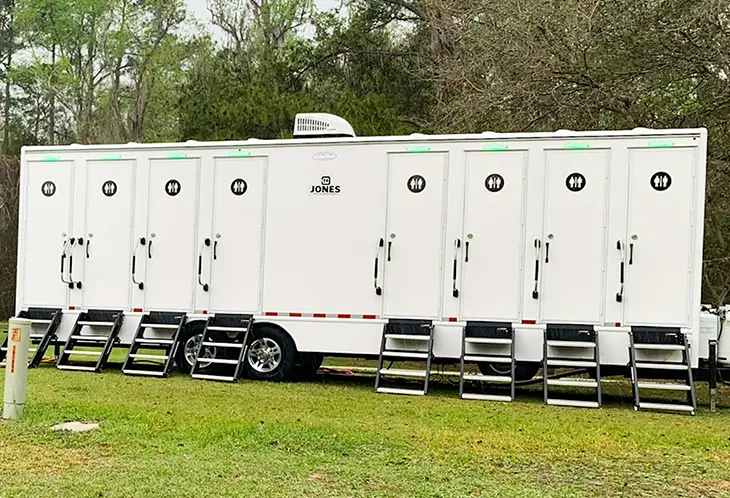
Portable restroom rental services support construction sites, outdoor events, and public gatherings where proper sanitation is required. Pricing varies across providers due to differences in unit types, service quality, and logistical requirements. Customers often notice price shifts based on rental duration, location, and added features. Clear awareness of these elements helps in planning budgets and selecting suitable restroom solutions. Understanding each factor ensures better cost control and smoother coordination for both small and large-scale projects requiring temporary sanitation facilities.
Type of Restroom Unit
Restroom unit selection has a direct impact on overall rental pricing due to differences in features, size, and comfort level. Basic portable toilets remain the most cost-effective choice, offering essential sanitation for construction sites and short-term events. Standard models include ventilation systems and waste tanks designed for regular use. Luxury restroom trailers come with flushing toilets, running water, mirrors, lighting, and climate control, making them more expensive. ADA-compliant units and specialized designs also increase costs due to accessibility features and construction requirements that meet specific regulations.
Rental Duration and Contract Length
Rental duration significantly affects pricing structures across restroom rental services. Short-term rentals, such as one-day events, often carry higher per-day rates due to setup and transport costs. Extended rentals for weeks or months usually offer lower daily pricing, especially for construction projects requiring ongoing sanitation support. Long contracts may include scheduled servicing, which influences total cost but ensures consistent hygiene. Seasonal demand also affects pricing, with peak months leading to higher rates. Proper planning of rental duration helps balance affordability and service consistency.
Delivery Distance and Site Accessibility
Delivery distance plays a major role in determining restroom rental costs due to transportation and labor expenses. Sites located closer to service providers generally incur lower delivery charges. Remote areas increase fuel usage, travel time, and logistical complexity, raising overall pricing. Difficult terrain or restricted access points may require specialized equipment or additional personnel, which adds to costs. Urban environments can also present challenges such as limited parking or strict delivery schedules. Permit requirements in certain locations further influence pricing, making accessibility an important cost factor.
Number of Units Required
The total number of restroom units needed directly influences overall rental pricing. Large events and construction projects require multiple units to maintain hygiene standards and reduce waiting times. Event planners typically estimate requirements based on crowd size and duration of use. Bulk rentals may qualify for discounted rates depending on the provider’s pricing structure. Insufficient units can lead to overcrowding and poor user experience, while excessive units increase unnecessary costs. Proper calculation ensures efficient resource use while maintaining comfort and sanitation standards across all attendees or workers.
Maintenance and Cleaning Frequency
Maintenance frequency affects restroom rental pricing by determining how often servicing is required during the rental period. High-traffic events or busy construction sites need frequent cleaning, waste removal, and supply restocking to maintain hygiene. Some rental agreements include scheduled servicing within the base price, while others charge separately based on frequency. Low-usage environments require fewer service visits, reducing overall costs. Proper maintenance scheduling ensures sanitary conditions and prevents operational issues. Understanding servicing needs helps customers estimate accurate costs and avoid unexpected expenses during long or intensive rentals.
Event Type and Usage Requirements
Event type influences restroom rental pricing due to varying expectations and usage intensity. Weddings, corporate gatherings, and VIP events often require luxury restroom trailers with upgraded interiors, increasing overall costs. Construction sites focus on durability and practicality, often using standard portable units designed for frequent use. Large public events may require additional coordination for crowd management and sanitation compliance. Higher usage intensity increases cleaning frequency and maintenance needs, which affects pricing. Matching restroom type with event requirements ensures efficient budgeting and appropriate service quality.
Seasonal Demand and Market Availability
Seasonal demand affects restroom rental pricing due to fluctuations in outdoor events and construction activity. Warmer months typically experience higher demand from festivals, weddings, and public gatherings, leading to increased rental rates. Limited availability during peak seasons can also drive prices upward. Off-season periods offer more competitive pricing and greater flexibility in unit selection. Early booking helps secure better rates and ensures availability of preferred restroom types. Market conditions change throughout the year, making timing an important factor in managing rental expenses effectively.
Additional Features and Custom Options
Additional features contribute to restroom rental pricing by adding comfort, convenience, and functionality. Handwashing stations, hand sanitizers, lighting systems, and ventilation upgrades increase overall costs. Luxury options may include climate control, decorative interiors, and sound systems for premium events. These features improve user experience but require higher investment in equipment and maintenance. Customization allows event organizers to tailor restroom facilities based on guest expectations or site conditions. Selecting optional features carefully helps balance comfort needs with budget limitations while maintaining essential sanitation standards.
Waste Disposal and Environmental Compliance
Waste disposal requirements play an important role in restroom rental pricing due to regulatory and environmental considerations. Providers must follow strict guidelines for safe waste handling and disposal, which adds to operational costs. Eco-friendly restroom units with water-saving systems or solar-powered features may carry higher rental prices due to advanced technology. Compliance with local environmental regulations can also increase expenses depending on location. Proper waste management ensures safety and sustainability while contributing to overall rental costs. Responsible disposal practices remain essential for legal and environmental standards.
Provider Reputation and Service Quality
Service quality and provider reputation influence restroom rental pricing based on reliability, maintenance standards, and customer support. Established companies often charge higher rates due to consistent service delivery and well-maintained equipment. Lower-cost providers may offer reduced pricing but vary in responsiveness and quality control. Customer reviews and service agreements help evaluate overall value. Reliable providers ensure timely delivery, proper setup, and regular maintenance throughout the rental period. Choosing a reputable company reduces operational risks and supports smooth event or project execution.
Conclusion
Restroom rental pricing depends on multiple interconnected factors including unit type, duration, location, servicing needs, and seasonal demand. Each element contributes to the final cost structure and should be evaluated carefully during planning. Clear understanding of these factors helps in selecting suitable restroom solutions that meet both budget and operational requirements. Proper coordination with a reliable provider ensures efficient service, consistent sanitation, and cost-effective rental management for events, construction sites, and outdoor projects of any size.
